
Defense & StrategyAnalysis
Houthis Declare Maritime Embargo Against Saudi Arabia, Threatening Red Sea Energy Transit
A declared blockade of the Bab-el-Mandeb Strait puts Saudi oil bypass routes at risk alongside escalating Strait of Hormuz tensions.
Share
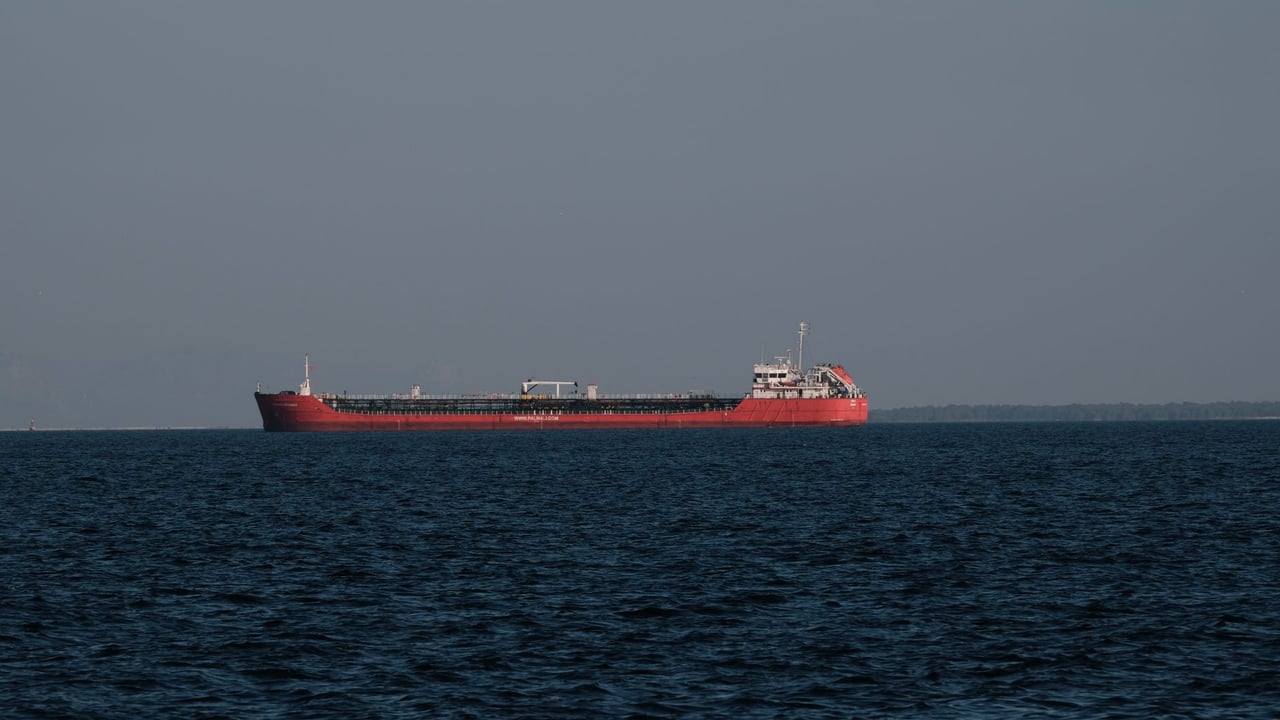
Photo by Doğan Alpaslan Demir on Pexels
The Brief
Yemen's Houthi movement announced a maritime embargo against Saudi Arabia on July 20, 2026, threatening to block Saudi ships from navigating the Bab-el-Mandeb Strait. The escalation follows a July 14 strike on Sanaa International Airport and broader regional instability. Saudi Arabia and its coalition partners rejected the embargo claims, promising decisive military protection for vessels under international law. With Saudi Arabia relying on Red Sea pipelines to bypass the volatile Strait of Hormuz, the threat creates simultaneous risks across two critical global crude oil chokepoints.
Why it matters
The Houthi declaration directly threatens Saudi Arabia's primary alternative route for crude exports via the Red Sea, compounding risks in the Strait of Hormuz and driving up maritime insurance costs and global energy market volatility.
China context
As a major importer of Middle Eastern crude oil, China relies significantly on open trade lanes through both the Strait of Hormuz and the Red Sea. Heightened security threats at the Bab-el-Mandeb Strait increase logistics costs, shipping delays, and supply chain unpredictability for Chinese energy supplies and Europe-bound freight.
Editor's View
EDITOR'S VIEW — Analysis and inference, not factual reporting.
The Houthi move represents a strategic attempt to open a diplomatic and operational second front against Riyadh during ongoing broader regional friction. By targeting the Bab-el-Mandeb Strait—through which roughly 7% of global daily oil flows—the Houthis exploit Saudi Arabia's structural dependency on Red Sea export routes. Even if Houthi forces refrain from immediate missile strikes, the psychological leverage alone raises shipping premiums and complicates Saudi oil logistics.
What to watch
- Whether Houthi forces launch kinetic strikes against Saudi-linked commercial or military vessels near the Bab-el-Mandeb Strait.
- Operational naval deployments and escort measures implemented by the Saudi-led coalition.
- Fluctuations in Red Sea shipping insurance premiums and international crude oil benchmarks.
Key Takeaways
- 1Yemen's Houthis announced a maritime embargo on Saudi Arabia following recent airstrikes on Sanaa International Airport.
- 2The threat places Saudi Arabia's East-West Pipeline export route at risk, creating a dual-chokepoint danger alongside the Strait of Hormuz.
- 3Saudi Arabia and its coalition partners rejected the embargo, citing UNCLOS and promising swift military intervention to protect Red Sea shipping.
Yemen’s Houthi movement declared a maritime embargo against Saudi Arabia on July 20, 2026, threatening to block Saudi vessels from passing through the strategic Bab-el-Mandeb Strait. The declaration follows escalating regional tensions and recent strikes on Sanaa International Airport, raising fears that Middle Eastern crude export routes could face simultaneous disruptions in both the Strait of Hormuz and the Red Sea.
According to Houthi military spokesman Yahya Sarea, the embargo was instituted in retaliation for what the group described as a nearly 12-year blockade of Yemen by Saudi Arabia, as well as a July 14 airstrike targeting Sanaa International Airport during the arrival of an Iranian airliner carrying a Houthi delegation. The Houthi leadership subsequently warned that Saudi energy facilities and critical infrastructure could be targeted if Riyadh engages in broader military action against Yemen. Reports indicate that missile and drone units have been positioned in the Yemeni highlands overseeing Hodeidah and the Gulf of Aden in preparation to target shipping.
In response, Saudi Arabia’s Ministry of Foreign Affairs rejected the Houthi claims, framing the embargo announcement as an attempt to distract from domestic economic struggles and public discontent. Saudi Arabia announced it would take necessary legal measures under the United Nations Convention on the Law of the Sea to safeguard its vessels. Meanwhile, Turki al-Malki, spokesperson for the Saudi-led coalition, stated that coalition forces had initiated security measures to guarantee safe transit through Bab-el-Mandeb and promised a "swift and decisive" response to any threats.
The threat comes as Saudi Arabia relies heavily on its East-West Pipeline to transport millions of barrels of crude oil to Red Sea terminals, bypassing heightened tensions in the Strait of Hormuz. Threatening Bab-el-Mandeb puts both primary Middle Eastern oil choke points at risk. Roughly 7.4 million barrels per day of oil passed through Bab-el-Mandeb in June, representing approximately 7 percent of global daily petroleum output.
Following the announcement, global oil prices briefly rose before paring gains amid expectations of potential diplomatic intervention, though marine insurance premiums for Red Sea transit continued to climb. The situation remains volatile as observers monitor whether Houthi forces will move from operational posture to active strikes against maritime traffic.
Sources
- 胡塞武装宣布对沙特海上禁运,能源运输面临“双咽喉”风险 — iFeng · 7/22/2026
- 沙特主导联军:将保护在曼德海峡的成员国船只 — iFeng · 7/22/2026
- Financial Times — Financial Times
- Financial Times — Financial Times
- Financial Times — Financial Times