
Technology & AISignal
In Vitro Synthetic Biology Advances Cell-Free Biomanufacturing
People's Daily reports on cell-free multi-enzyme molecular machines that lower energy usage, reduce pollution, and accelerate pharmaceutical development.
Share
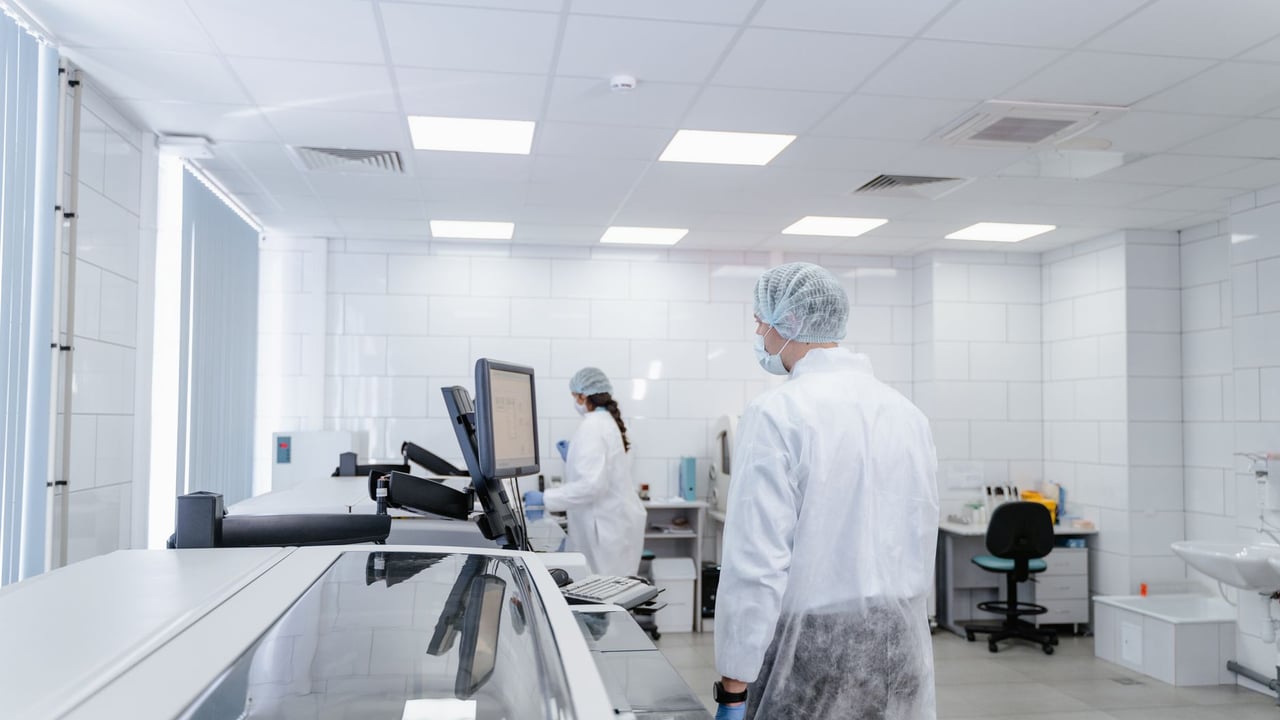
Illustrative image; not a photograph of this reported event. Photo by Tima Miroshnichenko on Pexels
The Brief
People's Daily reports that in vitro synthetic biology is emerging as a novel pathway in biomanufacturing. Instead of relying on intracellular metabolism within microorganisms, this approach extracts catalytic enzymes outside cells and reassembles them into multi-enzyme molecular machines to establish extracellular production lines.
Multi-enzyme molecular machines operate under normal or higher temperatures, ambient pressure, and aqueous conditions without requiring strict sterile environments. This setup significantly lowers energy consumption and carbon emissions, while achieving higher product yields, larger catalyst amounts per volume, faster reactions, higher product concentrations, and lower purification costs.
In industrial biotransformation, converting starch to inositol using multi-enzyme machines reduces energy consumption by 90%, decreases phosphorus pollution by 95%, and lowers production costs by 50%—75% compared to conventional plant extraction. A facility in Sichuan represents the first industrialization case of this technology.
Cell-free biotransformation also accelerates medical applications by quickly assembling multi-enzyme reaction systems that omit long periods of engineered bacteria construction and fermentation culture. This decreases drug development and production timelines as well as production expenses, while cell-free protein synthesis provides a common method for rapid screening of medicinal proteins.
Key Takeaways
- 1Extracellular multi-enzyme machines run at ambient pressure in aqueous phases, substantially cutting emissions and energy requirements.
- 2Converting starch to inositol with multi-enzyme machines reduces energy consumption by 90% and phosphorus pollution by 95%.
- 3Cell-free systems eliminate prolonged engineered bacterial fermentation cycles, speeding drug discovery and therapeutic protein screening.
Sources
- “搬”出细胞的生产线,可以做什么(瞰前沿) — People's Daily · 11/21/2026