
Daily BriefAnalysis
Debris Flow in Jiangxi's Suichuan Leaves 12 Dead as Rescuers Comb Core Zone
Emergency responders in Gaoping Town use heavy machinery and search teams amid continuing geological disaster risks.
Share
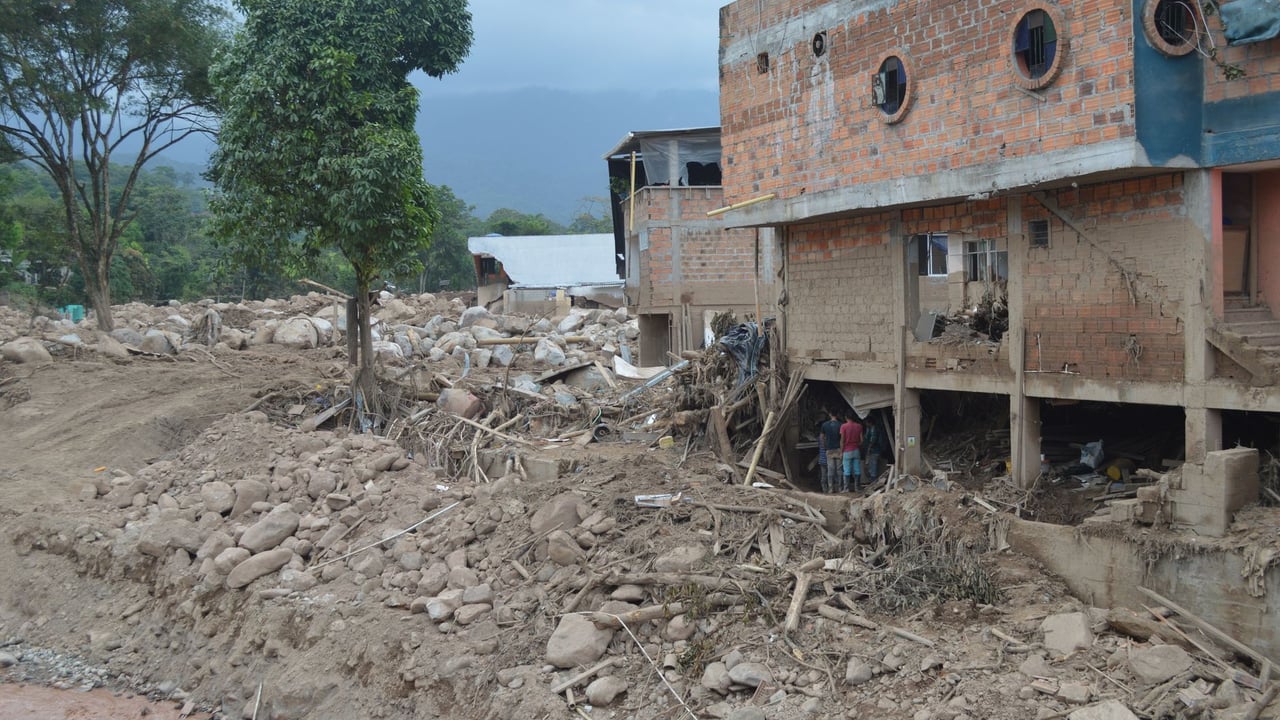
Photo by Franklin Peña Gutierrez on Pexels
The Brief
A deadly debris flow struck Gaoping Town in Suichuan County, Jiangxi Province, leaving at least 12 people dead, according to official Chinese media. Emergency teams deployed to the disaster's core zone have initiated fine-grained search and rescue operations that combine heavy engineering machinery with specialized ground search personnel. Responders are working to open vital transport corridors and locate any unaccounted-for residents while closely monitoring the surrounding mountainous terrain for secondary geological hazards.
Why it matters
The fatal mudslide underscores the severe vulnerability of mountainous communities in southern and eastern China to sudden geological hazards. Establishing emergency corridors and conducting coordinated search operations in unstable terrain are critical to finding survivors and safeguarding responders against secondary collapses.
China context
Steep terrain and concentrated rainfall frequently trigger flash floods, rockfalls, and mudslides across rural Chinese uplands. State disaster-response protocols routinely mobilize local authorities, specialized emergency forces, and industrial machinery to clear blocked transport links, conduct targeted search operations, and evacuate threatened villagers.
Editor's View
EDITOR'S VIEW — Analysis and inference, not factual reporting.
Disaster management in remote river valleys and mountain slopes presents severe operational hurdles. Initial operations must strike a delicate balance between rapidly excavating buried structures and guarding against secondary slope failures that can trap emergency workers. While mechanized search tactics reflect established Chinese emergency procedures, the recurring human toll from sudden landslides highlights ongoing challenges in community-level early warning and rapid evacuation in vulnerable upland watersheds.
What to watch
- Final search results and accounting for any remaining missing individuals in Gaoping Town.
- Official assessments regarding structural damage, casualty assistance, and temporary relocation of affected residents.
- Local geological risk assessments and weather forecasts concerning secondary hazard risks in Suichuan County.
Key Takeaways
- 1A debris flow in Gaoping Town, Suichuan County, Jiangxi Province, has killed at least 12 people.
- 2Emergency response teams have reached the core disaster zone to carry out coordinated search operations.
- 3Rescue personnel are combining heavy engineering machinery with targeted foot searches to navigate deep silt and rubble.
- 4Monitoring for secondary slope failures remains an active operational concern in the mountainous area.
A destructive debris flow struck Gaoping Town in Suichuan County, Jiangxi Province, resulting in at least 12 confirmed fatalities, according to reports carried by state media outlets Xinhua and China News Service.
Following the disaster, emergency authorities dispatched specialized rescue personnel and heavy equipment directly into the core impact zone. Responders on the ground have carried out targeted search and rescue efforts using an integrated approach that pairs human search specialists with excavators and earth-moving machinery. Teams have focused on opening blocked access roads and systematically clearing mud, shattered vegetation, and rubble from affected buildings.
The search operation has taken place under challenging environmental conditions. Steep valley topography and heavy soil saturation complicate the movement of tracked machinery and increase the risk of subsequent slope destabilization. Emergency personnel are deploying geological observation measures to monitor surrounding hillsides for any signs of secondary landslides while crews continue search efforts.
Local authorities have focused immediate resources on securing disaster perimeter controls, managing temporary housing for displaced villagers, and coordinating logistical support for personnel operating inside the debris zone. Official agencies have yet to release a full tally of property damage or an exhaustive accounting of total economic losses, as field surveys remain focused primarily on life-safety missions.
Sources
- 江西遂川高坪镇泥石流已致12人遇难 — China News Service · 9/8/2026
- 直击江西遂川泥石流核心区 人机协同展开精细化搜救 — China News Service · 9/9/2026