
Policy & RegulationAnalysis
Li Ganjie Meets Mongolian Democratic Party Delegation in Beijing
Senior Chinese official calls for strategic alignment and inter-party ties following a recent head-of-state summit.
Share
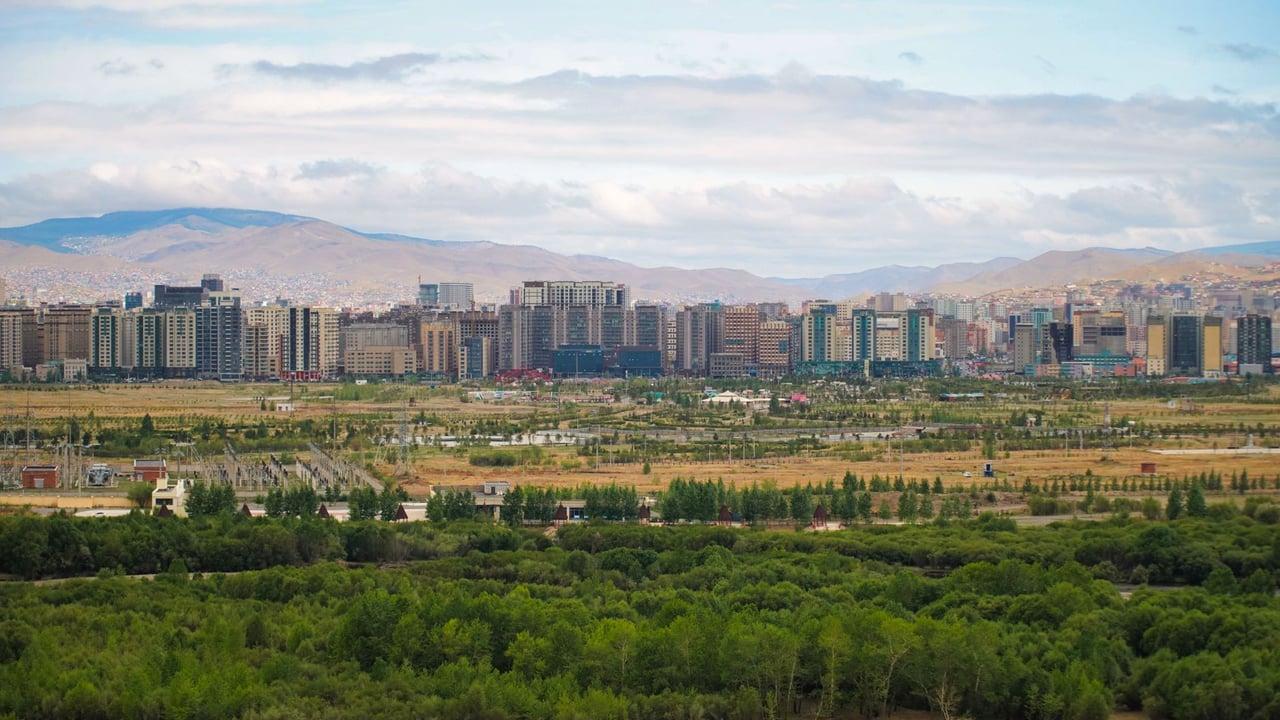
Photo by Uuganbayar Otgonbayar on Pexels
The Brief
Li Ganjie, a member of the Political Bureau of the Communist Party of China Central Committee and head of the Central United Front Work Department, met in Beijing on September 8 with a delegation from the Mongolian Democratic Party led by party chairman Tsogtgerel. According to official Chinese state media, Li urged both sides to implement the consensus reached during a recent meeting between Chinese President Xi Jinping and Mongolian President Ukhnaagiin Khürelsükh. Tsogtgerel reaffirmed his party's commitment to the one-China principle and supported strengthening bilateral party exchanges.
Why it matters
The engagement underscores Beijing's practice of maintaining relations across the political spectrum in neighboring countries, ensuring bilateral stability regardless of domestic political shifts in Ulaanbaatar. The Democratic Party's explicit reaffirmation of the one-China principle signals cross-party continuity in Mongolia's core diplomatic posture toward Beijing.
China context
The meeting involves Li Ganjie in his capacity as head of the CPC Central Committee's United Front Work Department, highlighting Beijing's use of party-level and multi-channel diplomacy alongside traditional state-to-state channels to foster regional political trust and advance its vision of a shared neighborhood community.
Editor's View
EDITOR'S VIEW — Analysis and inference, not factual reporting.
Party-to-party diplomacy serves as an important stabilizing mechanism for Beijing in its periphery. By engaging Mongolia's Democratic Party—a major political force outside the governing Mongolian People's Party establishment—China seeks broad-based political backing for bilateral connectivity and development initiatives, insulating shared economic projects from domestic political turnover.
What to watch
- Follow-up engagements and provincial visits by the Mongolian Democratic Party delegation during their stay in China.
- Subsequent progress on aligning Mongolia's development strategies with China's regional infrastructure and economic initiatives.
Key Takeaways
- 1CPC Politburo member and United Front Work Department head Li Ganjie met with a Mongolian Democratic Party delegation led by chairman Tsogtgerel on September 8 in Beijing.
- 2Li called for implementing the blueprint established in a recent meeting between Chinese President Xi Jinping and Mongolian President Ukhnaagiin Khürelsükh.
- 3Tsogtgerel reiterated the Mongolian Democratic Party's adherence to the one-China principle and expressed support for enhanced party-to-party dialogue.
On September 8, Li Ganjie, a member of the Political Bureau of the Communist Party of China (CPC) Central Committee and head of the Central United Front Work Department, met in Beijing with a visiting delegation from the Mongolian Democratic Party led by party chairman Tsogtgerel, according to reports by Xinhua and the People's Daily.
During the meeting, Li referenced a recent summit between Chinese President Xi Jinping and Mongolian President Ukhnaagiin Khürelsükh, stating that their talks had mapped out a new blueprint for bilateral relations. Li noted that Beijing stands ready to work with Ulaanbaatar to implement the consensus reached by the two heads of state.
Li emphasized that the two sides should firmly support each other on issues concerning their respective core interests, deepen the alignment of their national development strategies, expand friendly exchanges, and advance the joint construction of a China-Mongolia community with a shared future, state media reported.
In response, Tsogtgerel stated that the Mongolian Democratic Party adheres to the one-China principle. He expressed his party's eagerness to strengthen inter-party exchanges with the CPC and to promote the sound and steady development of relations between Mongolia and China.
Party-to-party diplomacy is a longstanding component of Beijing's foreign policy toolkit, particularly with neighboring states. By cultivating ties across different political factions in Mongolia, Beijing aims to maintain policy predictability and protect bilateral economic and infrastructure cooperation from shifting domestic political dynamics in Ulaanbaatar.
Sources
- 李干杰会见蒙古民主党代表团 — China News Service · 9/8/2026
- 李干杰会见蒙古民主党代表团--时政--人民网 — People's Daily · 9/8/2026