
Policy & RegulationAnalysis
Vice Premier Liu Guozhong Demands Full Agricultural Safeguards for Autumn Harvest
During an inspection in Inner Mongolia, Liu stressed disaster mitigation and procurement preparations as autumn crops enter a critical yield phase.
Share
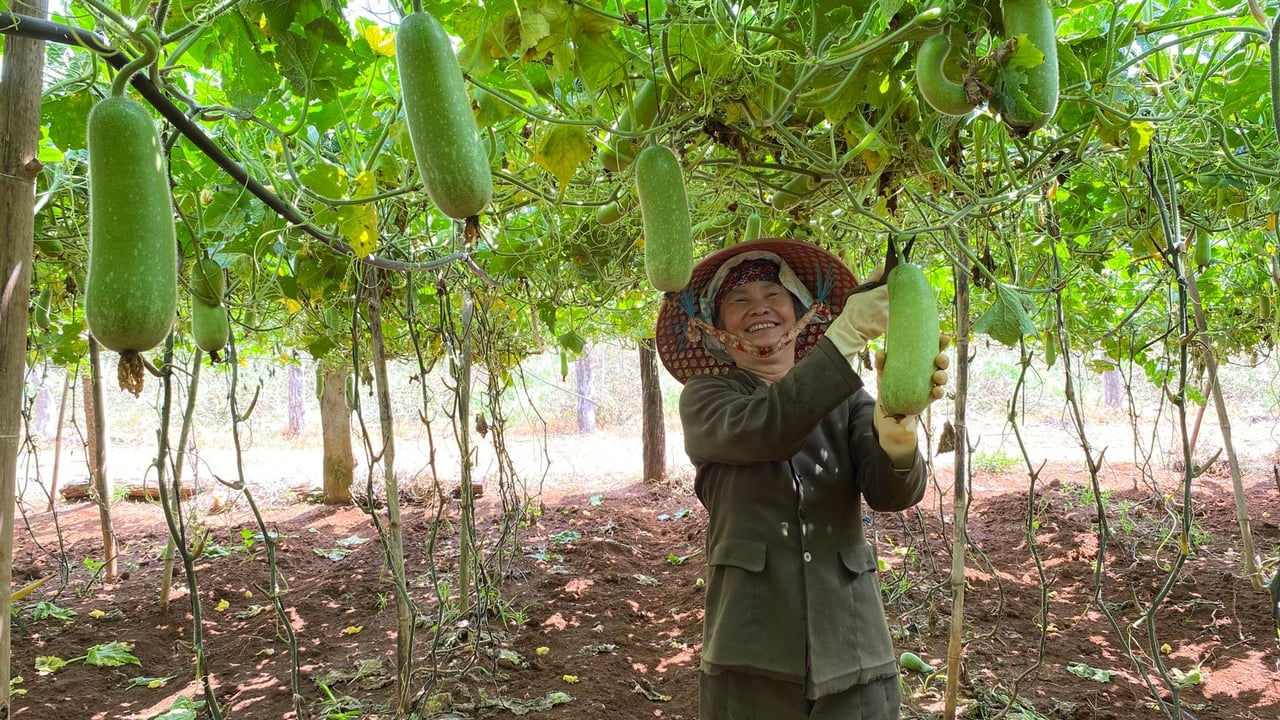
Photo by Tý Nguyễn on Pexels
The Brief
Chinese Vice Premier Liu Guozhong conducted an inspection tour in Inner Mongolia from September 1 to 3, ordering local authorities to prioritize agricultural disaster prevention and ensure a bumper autumn harvest. Noting that autumn grain represents three-quarters of China's annual grain output, Liu called for targeted field management, emergency harvesting readiness, price stability for agricultural supplies, and early procurement plans. He also emphasized long-term capacity building, including high-standard farmland construction, black soil conservation, agricultural water-saving reforms, and the orderly extension of rural land contracts.
Why it matters
Autumn grain accounts for approximately 75 percent of China's total grain production, making it the decisive factor in annual food supply and rural stability. Amid increasing risks of extreme weather events across northern grain belts, central leaders are intensifying oversight to protect yields, stabilize agricultural input costs, and secure farmers' earnings to support wider macroeconomic stability.
China context
Beijing pursues a dual food security strategy termed 'storing grain in the land and in technology,' aimed at insulating domestic food supplies from geopolitical and climatic shocks. The directives in Inner Mongolia align with recent leadership priorities from the Third Plenum, combining conservation tillage on northeastern black soils and agricultural water pricing reforms with institutional stability under the pilot extension of 30-year rural land contracts.
Editor's View
EDITOR'S VIEW — Analysis and inference, not factual reporting.
Liu's inspection reflects Beijing's pragmatic, risk-averse posture as autumn crops reach the critical filling and ripening stages. Rather than relying solely on post-disaster relief, the State Council is pushing preemptive logistical preparations, such as pre-positioning mobile grain-drying equipment and securing emergency harvest machinery. Furthermore, by explicitly linking input price stabilization and grain procurement pledges to disaster management, leadership is attempting to prevent rising operational costs or weather shocks from eroding farmers' incentive to plant in subsequent cycles.
What to watch
- Weather anomalies across northern and northeastern production zones through late September, particularly early frosts, autumn floods, or localized droughts.
- Policy announcements and minimum support price details released by central ministries ahead of the autumn grain purchasing season.
- Implementation progress on high-standard farmland remediation and the expansion of the second-round 30-year land contract extension pilots.
Key Takeaways
- 1Vice Premier Liu Guozhong inspected key farming areas in Tongliao, Inner Mongolia, from September 1 to 3.
- 2Autumn grain constitutes approximately three-quarters of China's annual grain production, making current yield-protection measures critical.
- 3Directives include emergency machinery deployment, enhanced grain-drying capacity, and early procurement planning.
- 4Policy priorities emphasize stabilizing agricultural input prices to protect farm income, alongside long-term soil and water conservation.
Chinese Vice Premier Liu Guozhong conducted an inspection tour in the Inner Mongolia Autonomous Region from September 1 to 3, instructing agricultural departments and regional authorities to tighten disaster prevention measures and secure a bumper autumn harvest, according to state media reports published by Xinhua and People's Daily.
Visiting fields, cooperatives, and agricultural service stations across Tongliao—including Horqin Left Middle Banner, Horqin District, Kailu County, and Horqin Left Rear Banner—Liu reviewed corn and soybean crop performance, per-unit yield enhancement projects, and local disaster prevention systems. He underscored that autumn crops account for three-quarters of the nation's total annual grain volume and warned that production is entering its decisive yield-formation phase.
To safeguard output, Liu instructed local officials to adopt differentiated, science-based field management, applying yield-boosting techniques such as integrated foliar spraying. He emphasized disaster readiness, calling for enhanced meteorological tracking, early warning systems, timely scheduling of emergency farm machinery, and expanded capacity for emergency harvesting and grain drying.
Liu also called for protecting farmers' economic returns by ensuring the supply and price stability of key agricultural inputs such as chemical fertilizer. He directed relevant agencies to formulate autumn grain purchasing and storage contingency plans well ahead of peak harvest.
Beyond immediate seasonal tasks, the vice premier reviewed long-term structural initiatives, including high-standard farmland development, black soil conservation tillage, seed industry revitalization, and agricultural water conservation. Liu stressed the need to repair drainage ditches and treat flood-prone plains, while promoting precision farming techniques like shallow drip irrigation and integrated water-fertilizer systems.
On rural land policy, Liu reaffirmed Beijing's guiding principle of 'major stability with minor adjustments,' urging steady, prudent implementation of pilot programs that extend second-round rural land contracts by an additional 30 years upon expiration.
Sources
- 刘国中在内蒙古调研时强调 切实抓好农业防灾减灾 全力夺取秋粮丰产丰收 — State Council of China · 9/3/2026
- 刘国中在内蒙古调研时强调 切实抓好农业防灾减灾 全力夺取秋粮丰产丰收--时政--人民网 — People's Daily · 9/4/2026