
Defense & StrategyAnalysis
PLA 73rd Group Army Brigade Institutionalizes Grassroots Tech Innovation
A frontline brigade develops a tiered vetting system to channel soldier-led hardware and software modifications into combat readiness.
Share
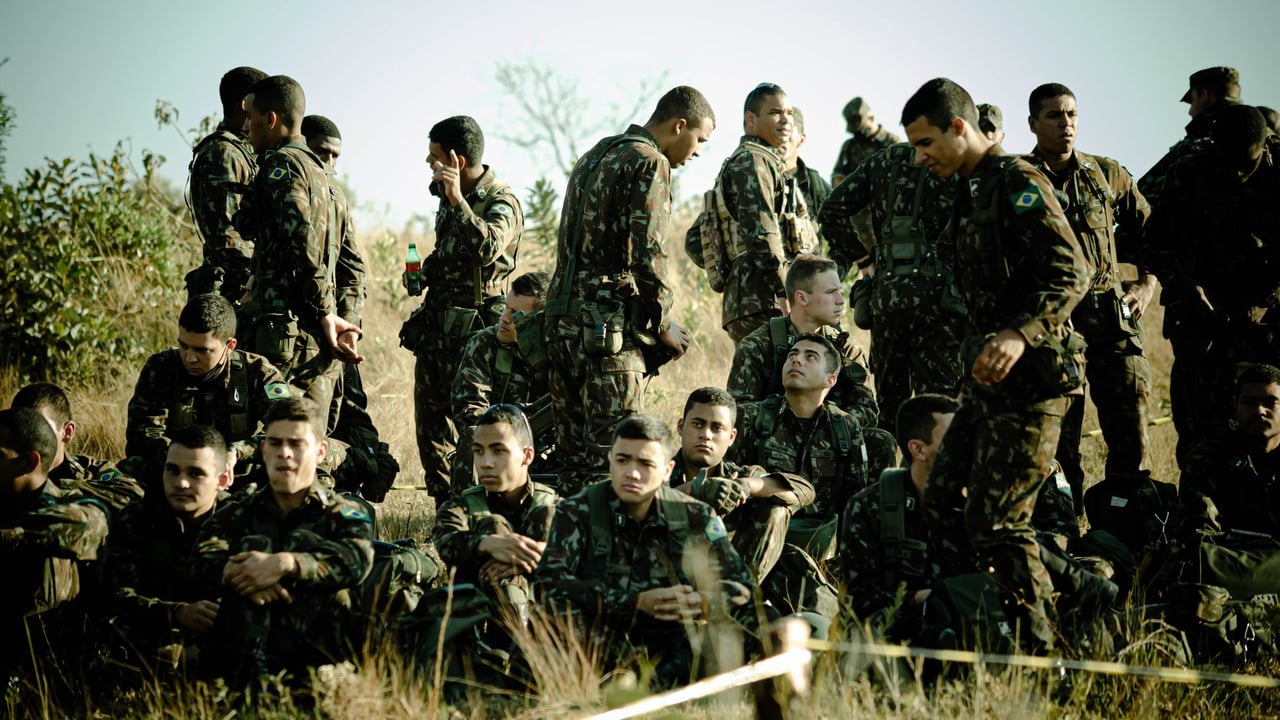
Photo by Câmera de Guerra on Pexels
The Brief
A brigade under the People's Liberation Army's 73rd Group Army has established a structured incubation mechanism to evaluate and develop grassroots technical modifications submitted by frontline soldiers. Prompted by an artillery technician's self-developed electronic eyepiece that improved firing accuracy during vehicle turbulence, the brigade leadership introduced quarterly project reviews in collaboration with military and civilian academic institutions. The initiative filters bottom-up ideas by combat contribution, operational maturity, and practicality to avoid squandering resources while sustaining soldier initiative.
Why it matters
This case highlights how PLA ground units manage technological bottlenecks when fielding new equipment. Rather than relying solely on top-down procurement or centralized defense contractors, the unit is building tiered mechanisms to evaluate soldier-led micro-innovations. Filtering proposals through academic partnerships ensures that front-line adaptations address real tactical pain points—such as sighting stabilization and simulation—without misallocating brigade-level administrative or financial resources.
China context
Across the PLA, campaigns for 'science-and-technology training' and realistic combat preparation have elevated the role of barracks tinkerers, known as 'soldier makers.' However, grassroots innovation in military units has often struggled with issues like low conversion rates, duplicate design, and poor technical feasibility. The 73rd Group Army brigade's structured review process reflects a broader push within the Chinese armed forces to formalize soldier initiatives, balancing bottom-up tactical problem-solving with institutional oversight and quality control.
Editor's View
EDITOR'S VIEW — Analysis and inference, not factual reporting.
The institutionalization of soldier-led innovations in the 73rd Group Army demonstrates a pragmatic compromise between encouraging combat initiative and preventing logistical bloat. By involving military academy experts to screen proposals for feasibility and non-duplication, the brigade addresses the chronic military challenge where well-intentioned field modifications either violate safety envelopes or waste unit funding. The system's true test will be whether such local adaptations can move beyond individual accolades into formalized, fleet-wide technical orders.
What to watch
- Whether technical modifications like the electronic eyepiece secure formal military standard approval or wider adoption across the Eastern Theater Command.
- The institutional replication of the brigade's quarterly tiered review model in other PLA combined arms brigades.
- Further disclosures regarding the combat performance and conversion rates of other soldier-led projects in training exercises.
Key Takeaways
- 1A 73rd Group Army brigade has created a formal pipeline to review and incubate soldier-led equipment modifications.
- 2The initiative began after artillery technician Xue Liangliang designed an electronic eyepiece to counter vehicle turbulence during firing runs.
- 3Brigade staff partnered with academic and military institute experts to vet proposals quarterly based on operational relevance and viability.
- 4The brigade uses a tiered tracking model: active projects prioritize training needs, while incomplete or conceptual ideas are tracked or placed into reserve.
Staff officers in a brigade under the People's Liberation Army (PLA) 73rd Group Army have implemented a tiered evaluation system to manage and develop bottom-up technological modifications designed by enlisted personnel, according to reports from military state outlets.
The push began after Xue Liangliang, a Master Sergeant Class Three and artillery technician, addressed a persistent problem following the fielding of new weaponry. During live-fire drills, gunner aiming was severely impaired by vehicle jolting and turbulence. Working independently from basic electronics and circuit diagrams, Xue spent months prototyping a custom electronic eyepiece. After resolving transmission reliability issues caused by initial display static, the field-tested modification contributed to improved shooting accuracy during subsequent evaluations.
Recognizing the operational value of solving such tactical friction points, brigade leaders organized a showcase titled "Story of Innovators" to spotlight Xue and other frontline developers, including Zhou Jiebin, who modified command information system simulation equipment, and Chen Yixiang, who worked on weapon synergy issues. The event triggered an influx of grassroots project submissions to brigade headquarters, ranging from training aids to equipment gear.
Faced with constrained administrative resources, limited technical personnel, and fluctuating project feasibility, the brigade's operations and training department moved to avoid backing non-viable proposals while seeking not to stifle troop enthusiasm. According to brigade staff officer He, officials instituted a quarterly review system in coordination with military academy experts to categorize submissions based on originality, operational feasibility, and combat contribution.
Under this workflow, combat readiness projects receive top funding and development priority. Complex proposals requiring longer conversion periods enter continuous tracking pipelines, while early-stage conceptual proposals are placed into a reserve database. When submissions are paused or rejected—such as an equipment pouch modification proposed by medic Zhu Hongyi that risked obstructing combat gear—brigade staff provide direct technical feedback to guide further soldier research.
Sources
- 呵护官兵“那股敢闯敢试的劲头”--军事--人民网 — People's Daily · 9/4/2026
- 军营观察丨呵护官兵“那股敢闯敢试的劲头” - 中国军网 — China Military Online · 9/4/2026