
Defense & StrategyAnalysis
PLA Overhauls Drone Operator Metrics to Prioritize Air-Ground Integration
A frontline brigade under the 72nd Group Army updates evaluation criteria, penalizing isolated piloting skill in favor of system-wide tactical coordination.
Share
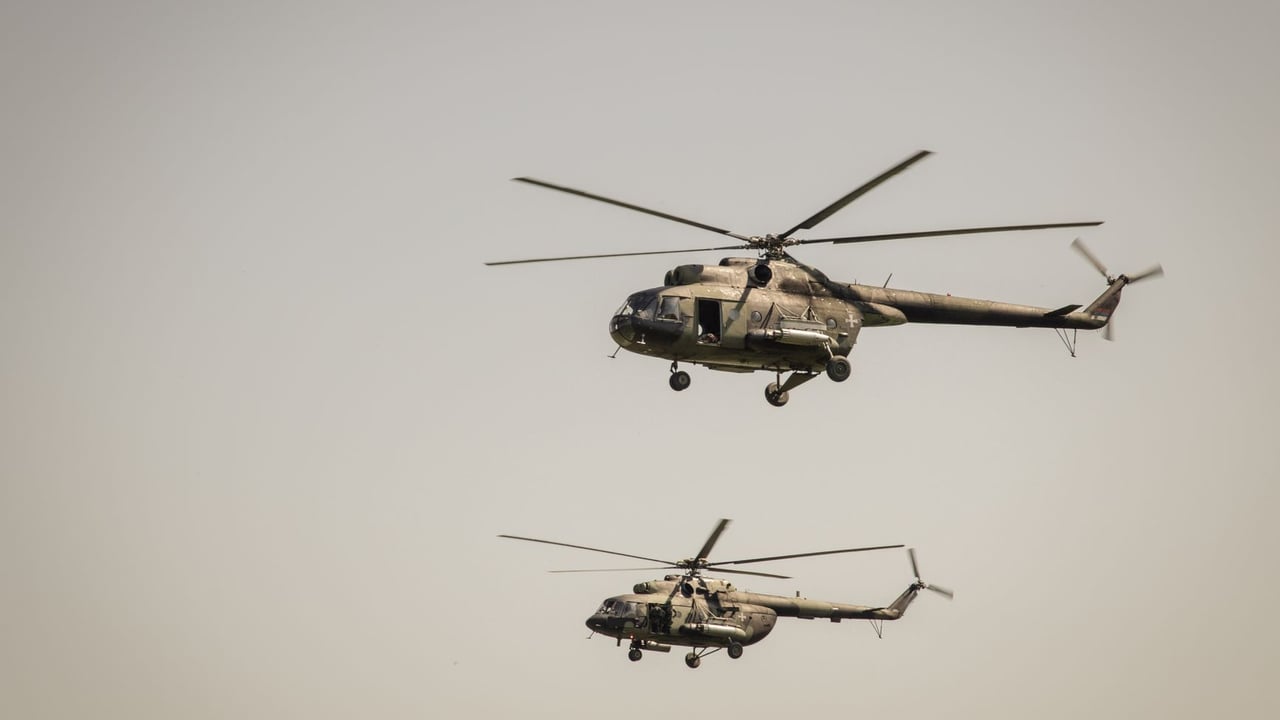
Photo by Boris Hamer on Pexels
The Brief
The Chinese People's Liberation Army is shifting its tactical evaluation framework for unmanned aerial vehicle operators from individual flight mastery toward integrated air-ground combat. Official military reporting from a brigade under the 72nd Group Army highlighted that seasoned drone pilots who scored perfectly on standalone flight tasks initially failed tactical evaluations due to deficiencies in ground coordination and real-time intelligence relay. The brigade has since institutionalized joint drills under electronic warfare conditions, making joint tactical execution a mandatory assessment metric.
Why it matters
This shift illustrates the PLA's institutional push to eliminate siloed training regimens among specialized units. By tying promotion and recognition to combined-arms integration rather than platform-specific proficiency, the military seeks to accelerate the operational absorption of unmanned platforms into frontline ground combat units.
China context
The 72nd Group Army, a key combined-arms formation in the Eastern Theater Command, frequently serves as an incubator for operational concepts relevant to cross-strait and coastal contingencies. Enhancing seamless coordination between tactical drones and mechanized infantry reflects broader PLA directives to operationalize 'new domain and new quality' combat capabilities within integrated joint battle networks.
Editor's View
EDITOR'S VIEW — Analysis and inference, not factual reporting.
The focus on coordination over pure piloting skill addresses a persistent challenge within modernizing militaries: tactical sub-units operating advanced hardware in isolation without creating operational synergy. By introducing unscripted electronic interference and communication blackout scenarios into routine tests, PLA trainers are attempting to close the gap between theoretical platform capabilities and contested multi-domain execution.
What to watch
- Standardization of manned-unmanned teaming assessment metrics across PLA ground force training outlines.
- Expansion of combined-arms training combining tactical drone units with mechanized infantry and armor across other theater commands.
Key Takeaways
- 1A brigade under the PLA 72nd Group Army has restructured its UAV performance metrics to heavily weigh joint air-ground integration over standalone piloting skills.
- 2Top-scoring drone operators initially failed evaluations due to poor intelligence linking and timing mismatches with advancing ground elements.
- 3Training regimens now mandate integrated drills under simulated electronic warfare, including electromagnetic jamming and communication losses.
The People's Liberation Army (PLA) is reforming the training and evaluation standards for its tactical unmanned aerial vehicle (UAV) operators, prioritizing combined-arms integration and real-time air-ground coordination over isolated piloting proficiency, according to reports published by official military outlets.
In a recent tactical assessment conducted by a brigade under the PLA 72nd Group Army, senior drone operators who achieved perfect scores in baseline equipment handling were excluded from top performance rankings. According to PLA Daily, the discrepancy stemmed from new grading criteria that heavily penalize operators who fail to synchronize their aerial reconnaissance with ground maneuver elements, intelligence networks, and tactical timing.
A staff officer from the brigade's operational training department noted that historical UAV training routines largely centered on single-operator and single-platform mechanics, leading to fragmented skill sets where specialized personnel trained independently from the units they were meant to support. In response, the brigade revised its syllabus to make air-ground coordination and human-machine interaction compulsory core subjects, significantly increasing their weight in overall performance scores.
To align daily training with battlefield conditions, the unit established joint training protocols where UAV detachments routinely conduct synchronized maneuvers with ground squads. Assessment scenarios now frequently introduce dynamic tactical friction, including simulated intense electromagnetic interference and severed communication links, forcing drone operators to adjust to sudden battlefield disruption rather than relying on scripted routines.
Following the implementation of the new metrics, operators modified their tactical workflows by coordinating closely with ground commanders to understand tactical intent and match the tempo of advancing infantry. In subsequent tactical evaluations, operators who previously fell short in joint tasks successfully completed missions by relaying real-time battlefield data without delay under contested conditions, earning restored positions on brigade honor rolls.
Brigade officers emphasized that modern operational doctrine depends on system integration rather than single-domain capabilities, warning that technical proficiency in operating an individual platform provides little combat utility if it cannot be embedded into the broader kill chain.
Sources
- 加快实现军事训练转型升级丨“金牌飞手”重登“龙虎榜” - 中国军网 — China Military Online · 8/24/2026
- “金牌飞手”重登“龙虎榜”--军事--人民网 — People's Daily · 8/24/2026