
Defense & StrategyAnalysis
PLAAF Overhauls Grassroots Merit System to Focus on Combat Readiness
Evaluation metrics across multiple Air Force units strip out administrative chores to prioritize combat effectiveness and field performance.
Share
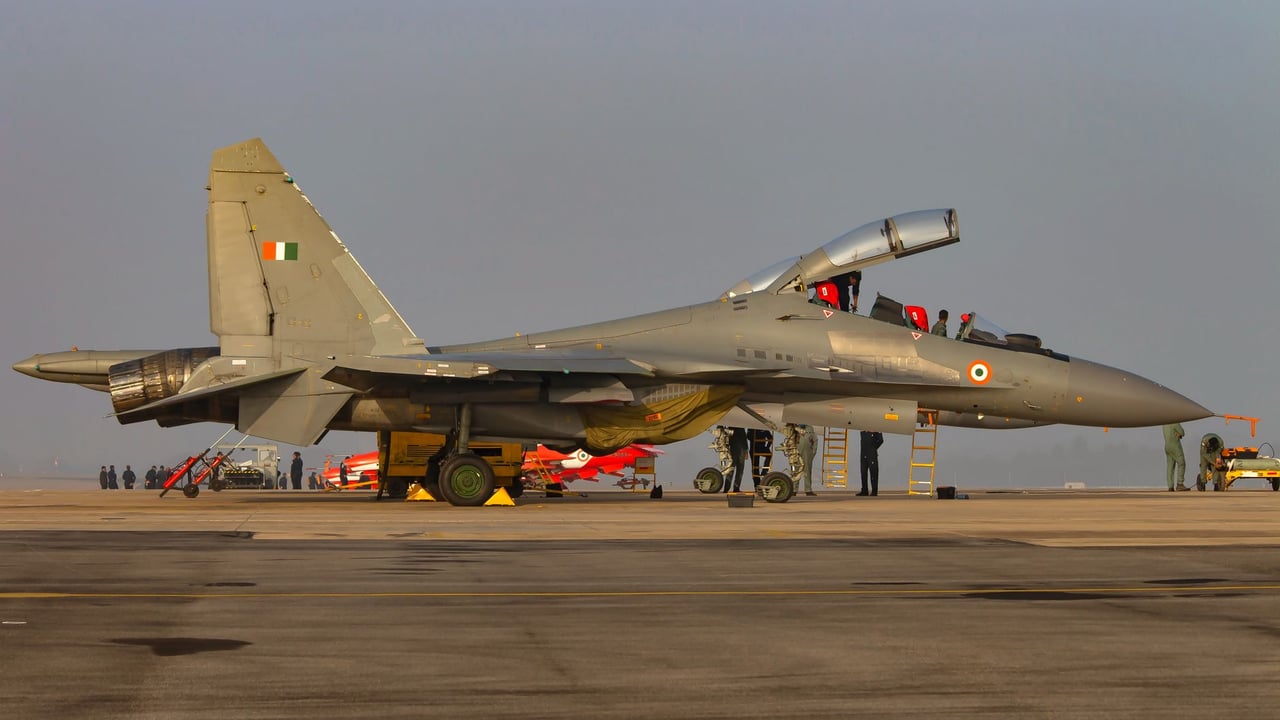
Photo by Janam Parikh on Pexels
The Brief
The People's Liberation Army Air Force has overhauled its quarterly grassroots evaluation framework across multiple units, replacing exhaustive paperwork with streamlined criteria centered on combat capability. Under guidance aligned with the military's grassroots construction regulations, the revised assessment eliminates over a hundred granular metrics—such as barracks housekeeping and routine chores—that previously diverted troops into administrative score-chasing. Instead, units now assess personnel primarily on performance in major operational tasks and peer reviews, aiming to directly tie internal recognition and advancement to battlefield readiness.
Why it matters
The reform targets a persistent structural problem in the Chinese military: performative bureaucracy and micromanagement at the company and battalion levels. By replacing hundreds of checklist items with high-stakes performance benchmarks like joint drills, competitions, and technical innovations, the PLAAF is attempting to ensure that peacetime administrative routines do not dilute operational focus.
China context
In recent years, the Central Military Commission and service branches have repeatedly launched campaigns against formalism and administrative burdens, collectively referred to within the PLA as the 'Five Excesses.' Guided by the updated Outline for Military Grassroots Construction, the Air Force Party Committee's intervention reflects a military-wide effort to align personnel evaluation with actual warfighting utility rather than compliance documentation.
Editor's View
EDITOR'S VIEW — Analysis and inference, not factual reporting.
This metric adjustment reveals how deeply bureaucratic compliance can entangle frontline units when evaluation systems become overly quantified. By stripping out routine administrative chores and elevating major task performance, PLAAF leadership is signaling that operational results outweigh immaculate paperwork. However, compressing performance scores into major operational tasks and democratic peer evaluations introduces its own friction: units must ensure that subjective peer reviews do not degenerate into popularity contests, and that technical support personnel who do not participate directly in headline drills still receive equitable assessment.
What to watch
- Whether the PLAAF's streamlined assessment model is adopted across other PLA service branches such as the Ground Force and Navy.
- How grassroots commanders maintain accountability for daily discipline and maintenance without formal point-deduction checklists.
- Subsequent official reports detailing how technical and non-combat support roles are weighted under the simplified scoring system.
Key Takeaways
- 1The PLAAF overhauled its grassroots 'Two Contends' quarterly evaluation system to curb excessive paperwork and procedural formalism.
- 2More than 100 granular checklist metrics covering chores and housekeeping were replaced by two primary categories: major task performance and democratic peer reviews.
- 3Major tasks are weighted by direct contribution to combat effectiveness, including joint exercises, military competitions, and technical innovations.
- 4The streamlined mechanism was developed in an Air Force brigade and is being expanded across multiple PLAAF formations.
Multiple units across the People's Liberation Army Air Force (PLAAF) have revamped their quarterly evaluation procedures to eliminate burdensome paperwork and align troop incentives directly with operational readiness, according to state and military media reports.
The changes modify the quarterly 'Two Contends' evaluation, a staple PLA assessment mechanism used to select outstanding grassroots units and individual service members. Under the previous model, evaluation guidelines contained more than 10 categories spanning over 100 granular indicators, covering routine housekeeping, study notes, and day-to-day administrative chores. The sprawling system generated thick ledgers of documentation, leading both staff officers and enlisted personnel to fixate on minor point allocations rather than core training.
To address this administrative drag, the PLAAF Party Committee directed units to streamline assessments in accordance with the military's Outline for Military Grassroots Construction. Rather than sifting through bound dossiers of paperwork, inspecting officers at participating units now track performance using condensed multi-page reporting forms.
Under the reformed model, evaluation scores have been condensed primarily into two pillars: performance in major tasks and democratic peer assessments. Major tasks are designed to capture an individual's direct contribution to combat effectiveness, incorporating participation in joint exercises and training, results in military skills competitions, and verified technical innovations. Routine points previously awarded for general chores and barracks upkeep have been eliminated.
Official reports highlighted concrete examples of the new incentives in practice. In one PLAAF brigade, top quarterly honors went to a second-class sergeant who placed first in a higher-headquarters skills competition and another noncommissioned officer whose independently modified sight passed formal testing. Leaders at the brigade noted that prior assessments had allowed some personnel to accumulate points through trivial errands while treating difficult operational training subjects merely as pass-fail hurdles.
Following initial implementation in select brigades, the combat-oriented evaluation model is expanding across additional Air Force units, with commanding officers reporting that the shift reduces administrative processing time and redirects headquarters staff toward frontline combat support.
Sources
- 空军多个单位改进评比机制激发练兵备战新动能——树牢为战导向 评出干劲士气 — China Military Online · 9/20/2026
- 树牢为战导向 评出干劲士气--军事--人民网 — People's Daily · 9/21/2026