
Policy & RegulationAnalysis
Premier Li Qiang Urges Comprehensive Push to Secure Autumn Grain Harvest
During an inspection across Heilongjiang and Jilin, the premier emphasized modern agricultural technology, black soil conservation, and supply chain expansion.
Share
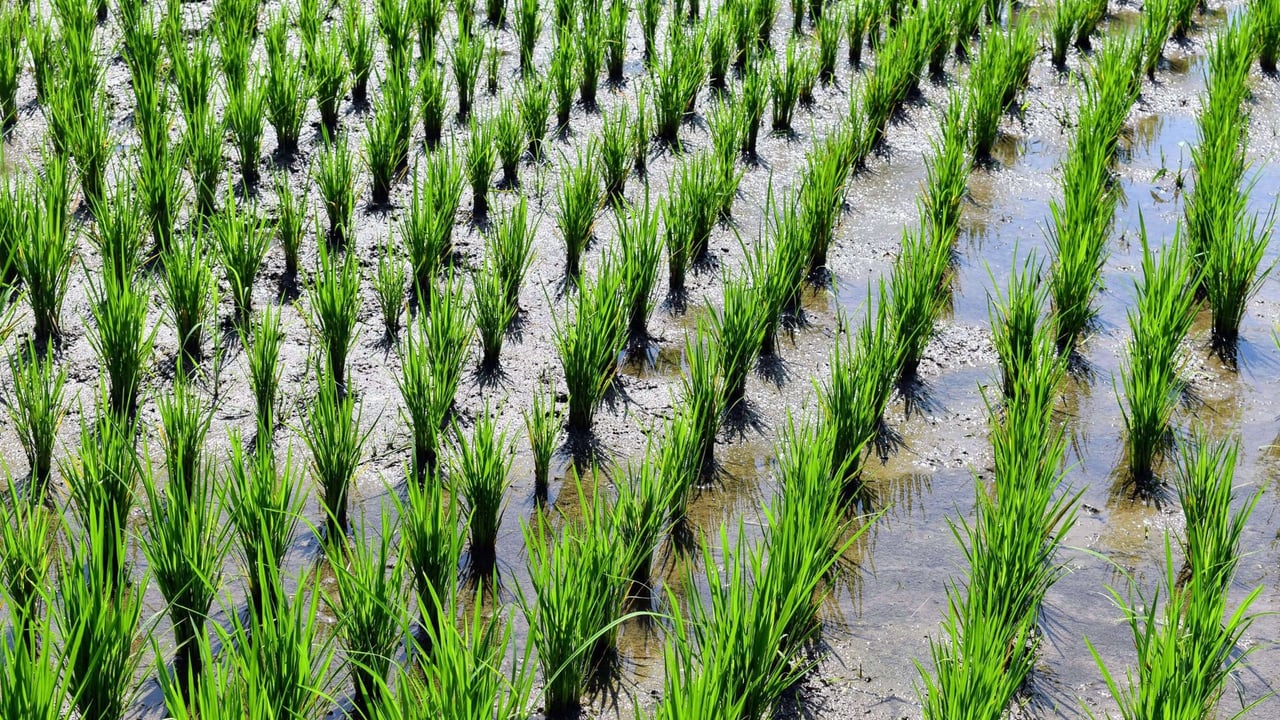
Photo by Robert Lens on Pexels
The Brief
Chinese Premier Li Qiang conducted an inspection tour in the northeastern provinces of Heilongjiang and Jilin from August 24 to 26, calling for targeted measures to secure a bountiful autumn grain harvest and bolster national food security. Visiting major state farms, research parks, water conservancy projects, and processing facilities, Li underscored that autumn crops constitute the bulk of annual grain output. He directed officials to intensify field management, stabilize agricultural input supplies, accelerate agritech and machinery development, protect fertile black soil, and support deep agro-processing across the industrial chain.
Why it matters
Autumn grain accounts for the dominant share of China's total annual harvest, making seasonal yields critical for national food self-sufficiency and macroeconomic price stability. Li Qiang's focused tour in the northeastern grain belt signals Beijing's heightened emphasis on consolidating agricultural resilience following the summer harvest, combining immediate harvest-securing measures with long-term technological and structural modernization.
China context
The Northeast's fertile black soil region serves as China's primary grain basket and the bedrock of its food security strategy. With grain security elevated as a matter of top national priority, central authorities frequently emphasize integrating high-grade farmland, elite seed varieties, advanced machinery, and agronomic methods. By promoting modern large-scale agriculture, smart farming, and farm-to-table value chains, policymakers aim to insulate the country from external supply volatility.
Editor's View
EDITOR'S VIEW — Analysis and inference, not factual reporting.
Li's visit reinforces a dual-track strategy in China's agricultural policy: immediate operational oversight during key crop development windows alongside institutional investments in scientific capacity. The explicit focus on artificial intelligence, precision machinery, and black soil conservation reflects Beijing's recognition that future output gains must rely on technological intensification rather than land expansion.
What to watch
- Follow-up field management and disaster mitigation directives issued by the Ministry of Agriculture and Rural Affairs.
- Progress on major water conservancy upgrades and black soil protection initiatives across northeastern provinces.
- Deployment and commercial demonstration of smart agricultural machinery and AI applications in grain production.
Key Takeaways
- 1Premier Li Qiang inspected Heilongjiang and Jilin from August 24 to 26, focusing on autumn grain production and agricultural modernization.
- 2Li emphasized strengthening field management and stabilizing the supply and price of agricultural inputs during the critical crop yield-formation window.
- 3The tour highlighted technological priorities, including elite seed breeding, high-end machinery, AI-driven smart agriculture, and black soil conservation.
- 4Li urged progress on modern water conservancy infrastructure, moderate-scale cooperative farming, and deep agro-processing to extend value chains.
Chinese Premier Li Qiang called for all-out efforts to ensure a bumper autumn grain harvest and continuously enhance comprehensive agricultural production capacity during an inspection tour of Heilongjiang and Jilin provinces from August 24 to 26, according to state media reports.
Li stressed the need to adhere to modern large-scale agriculture as the primary direction, balancing output, ecological protection, and farmer income growth to ensure stable national supplies of grain and essential agricultural goods.
In Jiamusi, Heilongjiang, Li visited the Qixing Farm under Beidahuang Group to inspect soybean, corn, and paddy rice crops. Noting that autumn grain represents the bulk of annual national grain output and is currently in a crucial yield-formation stage, Li urged authorities to strengthen field management, stabilize the supply and pricing of agricultural inputs, and reinforce policy support to secure the seasonal and full-year harvest.
Turning to agricultural innovation, the premier visited the Jiansanjiang National Agricultural Science and Technology Park and the Rice Research Institute of the Heilongjiang Academy of Agricultural Sciences. Li highlighted that technological breakthroughs remain vital for expanding output, urging researchers to advance seed breeding, conduct cross-disciplinary research, develop high-end agricultural machinery, and accelerate the application of artificial intelligence and smart farming. He also called for engineering, agronomic, and biological measures to conserve and utilize northeastern black soil effectively.
Li also inspected the construction site of a major water conservancy project in Heilongjiang aimed at boosting grain production capacity, emphasizing the need to build modern irrigation districts capable of withstanding droughts and floods to ensure stable, high yields.
In Songyuan, Jilin, Li visited the Dezhi Agricultural Specialized Cooperative to examine moderate-scale farming operations, advocating for improved socialized service systems to link smallholder farmers with modern agricultural systems. At Jilin Xuxin Oil Co., Ltd., he inspected corn oil production lines, encouraging deep processing of agricultural products to extend industrial value chains, expand local employment, and enforce strict food safety oversight from farmland to dining tables.
Sources
- 李强在黑龙江、吉林调研时强调 多措并举稳产增产 全力夺取秋粮丰收 持续提升农业综合生产能力确保粮食安全 — State Council of China · 8/27/2026
- [视频]李强在黑龙江、吉林调研 — Tv · 8/27/2026