
Daily BriefAnalysis
Shaanxi Normal University Marks 20 Years of Handwritten Admission Letters
Ten senior scholars write acceptance notices by hand using traditional Chinese ink brushes for incoming students.
Share
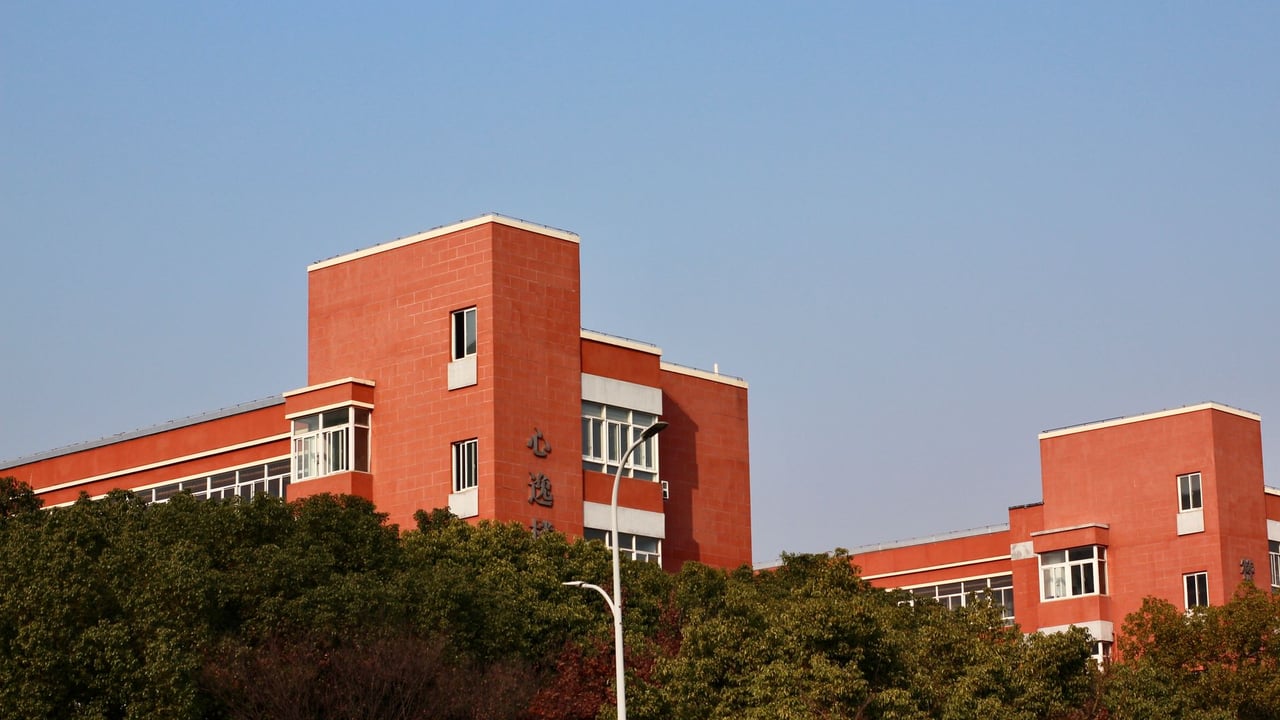
Photo by yilia wei on Pexels
The Brief
Shaanxi Normal University held its annual brush-writing ceremony on July 21, marking 20 consecutive years of issuing handwritten calligraphic admission letters to incoming students. Ten senior scholars with an average age over 72 are participating in this year's process, including an 84-year-old faculty member and four long-term contributors who have written notices for more than a decade. The tradition highlights the university's effort to integrate traditional Chinese craftsmanship and cultural education into its student welcoming rituals.
Why it matters
Shaanxi Normal University's two-decade commitment to handwritten admission notices illustrates how Chinese higher education institutions are leveraging traditional cultural rituals to establish institutional identity and engage incoming students in an increasingly digitized academic environment.
China context
In recent years, university admission notices in China have evolved into high-profile marketing tools and cultural showcases following the national college entrance examination (gaokao). Higher education institutions across the country regularly compete to design distinctive acceptance packages, blending traditional arts, high-tech features, or local historical artifacts to signal institutional prestige and reinforce national cultural heritage.
Editor's View
EDITOR'S VIEW — Analysis and inference, not factual reporting.
While many higher education institutions turn to modern industrial design or digital novelties to capture public attention, Shaanxi Normal University's reliance on veteran scholars and traditional ink brushes offers a labor-intensive alternative. The practice underscores how classical art forms can serve as a symbolic bridge connecting senior faculty members with the youngest cohort of incoming undergraduates.
What to watch
- Social media reactions and public feedback as incoming 2026 freshmen receive their handwritten acceptance notices.
- Potential adoption of traditional craftsmanship or heritage-focused designs by other Chinese universities in future admissions cycles.
Key Takeaways
- 1Shaanxi Normal University held its 2026 calligraphic opening ceremony on July 21, celebrating 20 consecutive years of handwritten admission letters.
- 2Ten scholars with an average age over 72 are handwriting the acceptance notices using traditional Chinese ink brushes.
- 3The oldest participant is 84 years old, and four calligraphers have participated for over a decade, including one with 14 years of involvement.
- 4The initiative reflects broader trends in Chinese higher education to showcase traditional culture and heritage during orientation season.
On July 21, Shaanxi Normal University held its annual brush-writing ceremony to begin producing handwritten admission letters for its incoming class of 2026. The ceremony marks the 20th consecutive year that the university, located in Xi'an, has maintained the practice of delivering hand-inked admission notices written with traditional Chinese calligraphy brushes.
Ten senior scholars and retired educators are participating in this year's writing process, with an average age exceeding 72 years, state media reported. The oldest calligrapher in the group is 84 years old. The tradition relies heavily on long-term dedication from veteran faculty members: four of this year's calligraphers have taken part in the effort for more than ten years, with the longest-serving contributor participating for 14 consecutive years.
In China, university admission letters have increasingly served as key symbols of institutional identity and cultural heritage. While many higher education institutions opt for high-tech features, customized artwork, or modern digital formats, Shaanxi Normal University has prioritized traditional ink-and-brush calligraphy as a hallmark of its institutional culture. University organizers describe the initiative as a practical demonstration of traditional aesthetics, serving as an initial cultural orientation for new students before they begin their academic journey.
The commitment to handwritten notifications comes amid a broader national focus on promoting traditional Chinese culture within higher education. By tasking respected senior scholars with writing thousands of individual notices by hand, the institution seeks to underscore values of patience, mentorship, and cultural continuity. Observers note that such initiatives allow universities to distinguish themselves during the competitive post-gaokao recruitment season, turning an administrative milestone into a widely reported cultural event.
Sources
- 陕师大连续20年毛笔手写录取通知书:撇捺间赓续中华文脉-中新网视频 — China News Service · 7/22/2026
- University adds personal touch|People|chinadaily.com.cn — China Daily
- Simplified university admission letters carry spirit of modesty and virtue — Global Times