
Business & IndustryAnalysis
88 Shanghai-Listed Company Instances Win 2025 National Science Awards
The recognition of nearly 90 instances of Shanghai-listed firms highlights the growing role of public companies in China's 'Hard Tech' innovation strategy.
Share
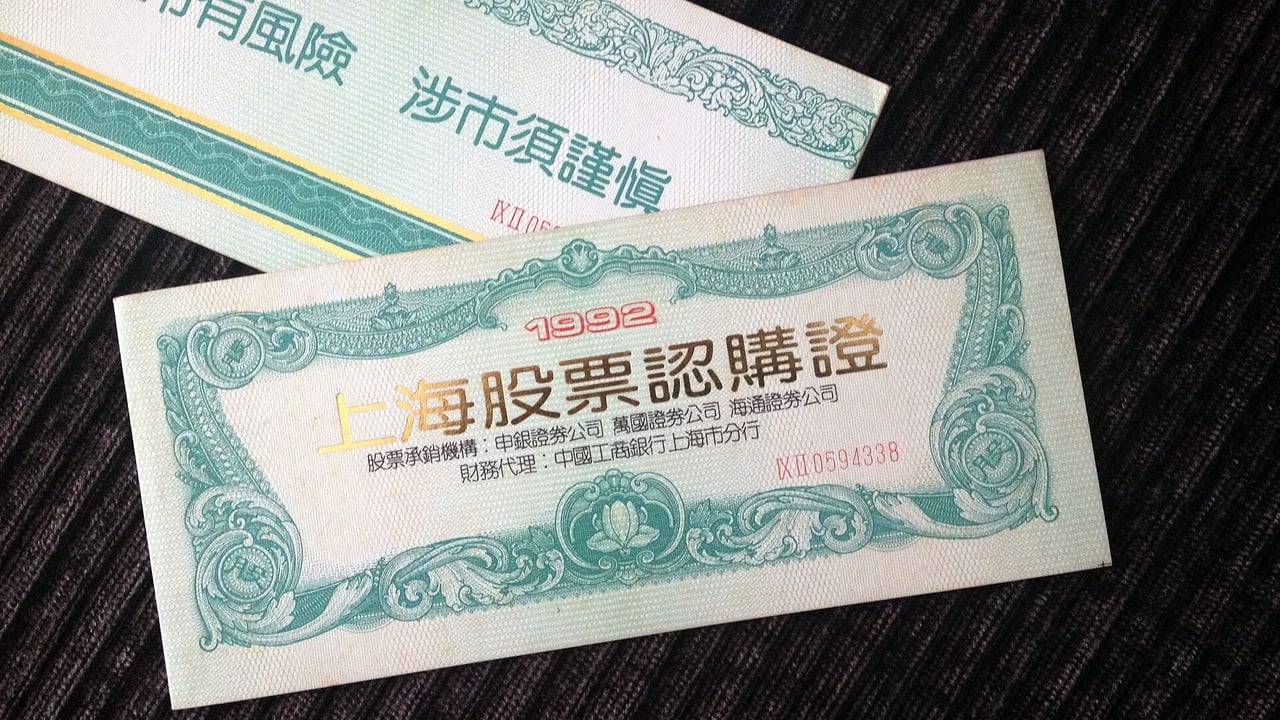
Stevenliuyi via Wikimedia Commons, CC BY-SA 3.0
The Brief
A total of 88 instances of companies listed on the Shanghai Stock Exchange (SSE) have been recognized in the 2025 National Science and Technology Awards. This milestone, reported in July 2026, underscores the increasing prominence of publicly traded firms as the primary drivers of industrial innovation in China. The awards reflect the 'Hard Tech' attributes of the Shanghai market and align with national efforts to integrate capital markets with the scientific innovation chain to achieve high-level technological self-reliance.
Why it matters
The recognition of 88 instances of Shanghai-listed companies in the National Science and Technology Awards underscores the increasing role of public companies as the primary drivers of industrial innovation in China. It signals the quality of the 'Hard Tech' attributes within the Shanghai market and provides a benchmark for evaluating the R&D capabilities of listed firms.
China context
This aligns with China's national strategy to achieve high-level self-reliance in science and technology, emphasizing the integration of the innovation chain with the capital market. The government has increasingly pushed for enterprises, rather than just research institutes, to lead major technological breakthroughs.
Editor's View
EDITOR'S VIEW — Analysis and inference, not factual reporting.
The high frequency of Shanghai-listed companies in these awards suggests that the SSE, particularly through the STAR Market, is successfully maturing into its role as a hub for strategic technology. While the '88 instances' figure likely includes various subsidiaries and joint projects, the volume itself indicates that the capital market is now deeply embedded in China's national R&D framework. Investors should view these awards not just as prestige, but as a signal of which firms are most closely aligned with state-led industrial priorities.
What to watch
- Official publication of the full list of award-winning projects and participating companies.
- Market performance of the listed companies identified as award winners.
- Follow-up reports detailing the specific technological contributions of these firms.
Key Takeaways
- 188 instances of Shanghai-listed companies were recognized in the 2025 National Science and Technology Awards.
- 2The awards highlight the 'Hard Tech' focus of the Shanghai Stock Exchange.
- 3Publicly traded companies are increasingly serving as the primary drivers of China's industrial innovation.
In a significant recognition of industrial innovation, 88 instances of companies listed on the Shanghai Stock Exchange (SSE) have been honored in the 2025 National Science and Technology Awards. The announcement, reported on July 12, 2026, underscores the evolving role of publicly traded firms as the primary engines of technological development within the Chinese economy.
The National Science and Technology Awards represent one of the highest honors in China's domestic research and development landscape. The inclusion of nearly 90 instances of Shanghai-listed firms suggests a deepening integration between the country’s capital markets and its strategic scientific objectives. This trend is particularly evident in the "Hard Tech" sectors, where the Shanghai Stock Exchange has positioned itself as a hub for companies specializing in semiconductors, biopharmaceuticals, and advanced manufacturing.
While the specific breakdown of the winning projects and the individual contributions of each company have yet to be fully detailed in the initial reports, the volume of recognition points to a robust innovation ecosystem. The term "instances" (jiaci) typically refers to the number of times listed entities or their subsidiaries appeared on the award lists, indicating that some major conglomerates or highly active research firms may have contributed to multiple award-winning projects.
This development aligns with Beijing’s broader national strategy to achieve high-level self-reliance in science and technology. By encouraging listed companies to take the lead in major national research initiatives, the government aims to bridge the gap between laboratory research and industrial application. For investors and market observers, these awards serve as a qualitative indicator of a company’s long-term competitiveness and its alignment with state-led industrial priorities.
As the full list of award-winning projects becomes available, market analysts will likely monitor the performance of the recognized firms. The recognition often serves as a catalyst for increased institutional interest, particularly for firms listed on the STAR Market, which was specifically designed to support science and technology-driven enterprises.
Sources
- 88家次沪市公司“收获”2025年度国家科学技术奖 — NetEase · 7/12/2026
- Notion — Notion