
Policy & RegulationAnalysis
Shenzhen Hosts International Symposium on Xi Jinping Thought on Culture
Scholars from 14 countries gather to examine cultural subjectivity and Chinese modernization.
Share
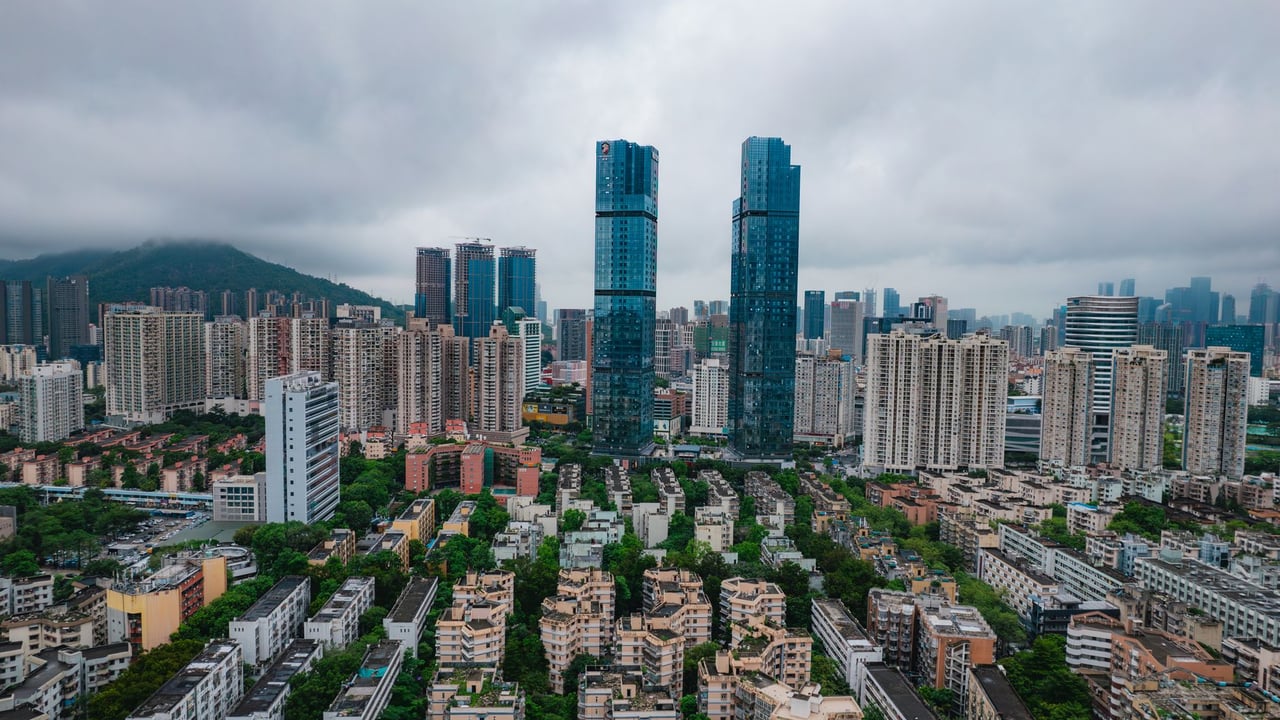
Photo by jason hu on Pexels
The Brief
More than 130 scholars and guests from 14 countries assembled in Shenzhen for the Second International Academic Symposium on Xi Jinping Thought on Culture, state media reported. Centered on the theme of consolidating cultural subjectivity to advance Chinese modernization, the forum highlighted Beijing's framing of cultural autonomy as an essential prerequisite for enduring societal progress and distinct institutional development.
Why it matters
The symposium illustrates Beijing's ongoing campaign to elevate its domestic ideological frameworks into formal international academic discourse. By linking cultural subjectivity to modernization, Chinese theoretical planners seek to engage international academics and establish a conceptual foundation arguing that development trajectories need not mirror Western institutional models.
China context
The concept of cultural subjectivity has gained prominence in official Chinese ideological rhetoric in recent years, forming a core component of Xi Jinping Thought on Culture. Chinese leadership asserts that true modernization requires a civilization to retain its own distinctive ethos and guiding values, rather than adopting external models uncritically. Hosting international symposiums serves as a primary vehicle for legitimizing this worldview globally.
Editor's View
EDITOR'S VIEW — Analysis and inference, not factual reporting.
Beijing is increasingly invested in shaping the global academic vocabulary surrounding governance and culture. By gathering scholars from diverse geographies—including the United States, Russia, Spain, Brazil, and Argentina—the organizers aim to create a plurilateral venue that normalizes Party-formulated political concepts. While international attendance provides institutional reach, the degree to which these concepts gain traction beyond state-sponsored platforms remains an open question.
What to watch
- Subsequent official compendiums and publications detailing specific papers delivered by foreign participants.
- Whether the symposium evolves into a formalized permanent academic network or institutional exchange mechanism.
- The reception and critique of the cultural subjectivity framework across independent international sinology and comparative politics circles.
Key Takeaways
- 1The Second International Academic Symposium on Xi Jinping Thought on Culture was held in Shenzhen on September 6.
- 2More than 130 scholars and participants from 14 countries, including China, the US, Russia, Spain, Brazil, and Argentina, attended.
- 3The conference centered on consolidating cultural subjectivity as a vital component of Chinese modernization.
The Second International Academic Symposium on Xi Jinping Thought on Culture took place on September 6 in Shenzhen, Guangdong province, according to state media reports. The gathering brought together more than 130 experts, scholars, and invited guests representing 14 nations, including China, Russia, Argentina, Spain, Brazil, and the United States.
The central theme of the symposium focused on consolidating cultural subjectivity to advance Chinese modernization. According to state media coverage, discussions throughout the forum were framed around official theoretical assertions that any culture must maintain its own distinct subjectivity if it is to achieve enduring resilience, social cohesion, and broad international resonance.
Chinese organizers and commentators emphasized that cultural subjectivity serves as the foundational ballast for Chinese-style modernization. Under this framework, modernization is defined not as a uniform, Western-led process, but as a pluralistic pathway grounded in each nation's historical traditions and domestic conditions. The emphasis on autonomy in values and ideology reflects a broader official priority to counter ideological convergence with Western norms.
Attendance by scholars from Europe, North America, and Latin America reflects Beijing's continuing efforts to provide an international academic setting for the dissemination and discussion of its official philosophical doctrines. By presenting state concepts through scholarly conferences, organizers attempt to translate domestic political directives into internationally recognizable theoretical debates.
The released conference excerpts did not specify individual presentations or indicate whether formal joint declarations were adopted by the participants. However, the event underscores Shenzhen's role as a prominent venue for high-level state messaging on policy innovation and ideological outreach.
Sources
- 新华全媒头条|巩固文化主体性推进中国式现代化——第二届习近平文化思想国际学术研讨会观察 — Ministry of National Defense · 9/7/2026