
Technology & AIAnalysis
Shenzhou-23 Astronauts Complete Spacewalk to Repair Solar Wings
The crew conducted China's second extravehicular repair on Tiangong's solar arrays and installed space debris protection hardware.
Share
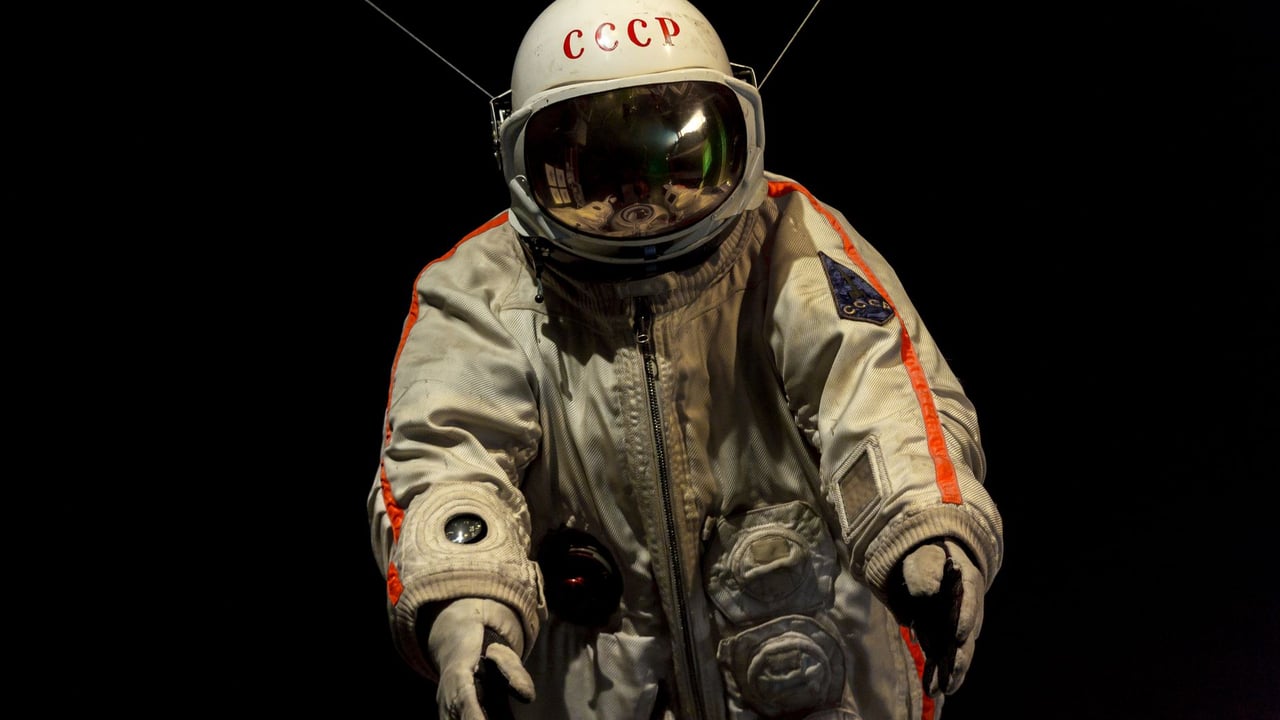
Photo by Tamula Aura on Pexels
The Brief
Astronauts aboard China's Tiangong space station completed an extravehicular activity lasting approximately 5.5 hours on August 28. Shenzhou-23 crew members Zhu Yangzhu and Zhang Zhiyuan stepped outside the Tianhe core module, supported inside by Li Jiaying, ground control, and the robotic arm. The spacewalkers conducted maintenance on the station's solar wings and installed orbital debris shielding, marking China's second on-orbit solar array repair mission to safeguard the station's electrical power supply.
Why it matters
The solar arrays serve as the primary power generation system for the Tiangong space station. Performing targeted repairs and affixing space debris shields directly address vulnerabilities caused by micrometeoroids and orbital fragments, securing reliable power delivery for long-term orbital operations and ongoing scientific research.
China context
China's manned space program has transitioned into a steady application and development phase, with Tiangong operating continuously under rotating three-person crews. Mastering extravehicular maintenance techniques and proactive debris shielding is essential for sustaining China's orbital infrastructure across its planned multi-decade operational lifespan.
Editor's View
EDITOR'S VIEW — Analysis and inference, not factual reporting.
As low-Earth orbit grows increasingly crowded with debris, routine maintenance capabilities are shifting from exceptional emergency responses to standard operational procedures. China's second solar wing repair demonstrates that the Tiangong program is systematically building operational resilience, relying on collaborative work between extravehicular crew members and external robotic arms to address environmental wear in orbit.
What to watch
- Performance and telemetry data from the repaired solar arrays and newly installed shielding modules
- Upcoming extravehicular payload transfers and external scientific hardware installations during Shenzhou-23's tenure
- Scheduled science education broadcasts and planning for the next crew rotation cycle
Key Takeaways
- 1Shenzhou-23 astronauts Zhu Yangzhu and Zhang Zhiyuan completed a 5.5-hour spacewalk on August 28, supported by crew member Li Jiaying from inside Tiangong.
- 2The crew performed maintenance on the station's solar wings and installed space debris shielding devices.
- 3The operation marks China's second extravehicular solar array repair mission to date.
- 4The Shenzhou-23 crew has been aboard Tiangong for over three months following their launch in late May.
The crew of China's Shenzhou-23 mission completed an extravehicular activity (EVA) outside the Tiangong space station on August 28, successfully conducting maintenance on the station's solar wings and installing protective hardware against space debris, according to the China Manned Space Agency.
Astronauts Zhu Yangzhu and Zhang Zhiyuan returned to the Tianhe core module at 1:59 p.m. Beijing time following a spacewalk that lasted approximately 5.5 hours. Inside the station, crew member Li Jiaying coordinated operations alongside ground personnel and operators managing the station's robotic arm. The mission represented Zhu Yangzhu's return to extravehicular operations after three years and marked the first spacewalk for Zhang Zhiyuan.
The operation was the first EVA conducted by the Shenzhou-23 crew and the second time Chinese astronauts have carried out extravehicular maintenance on the space station's solar wings. Official reports noted that the repairs and debris shielding installations are intended to ensure the ongoing stability and safety of the station's electrical power generation systems.
The three astronauts launched aboard the Shenzhou-23 spacecraft late on May 24 and docked with Tiangong in the early hours of May 25. Having now spent over three months in orbit, the crew has completed an in-orbit crew handover, deployed scientific payloads outside the cabin, and conducted a series of simulated drills, including rendezvous and docking exercises, medical emergency scenarios, and full-system pressure emergency responses.
According to official statements, the crew has also maintained routine station platform operations and progressed through a series of experiments in space life sciences, human research, microgravity physics, and new space technologies. The astronauts are scheduled to continue technical trials, payload deployments, and outreach activities throughout the remainder of their mission.
Sources
- 神舟二十三号航天员乘组圆满完成出舱活动 我国航天员第二次对太阳翼进行舱外维修 — Ministry of National Defense · 8/28/2026
- 神舟二十三号航天员乘组圆满完成出舱活动 我国航天员第二次对太阳翼进行舱外维修--经济·科技--人民网 — People's Daily · 8/28/2026
- 神舟二十三号航天员乘组圆满完成出舱活动--经济·科技--人民网 — People's Daily · 8/28/2026