
Business & IndustryAnalysis
Tahe County Advances Cold-Climate Soybean Breeding at 53 Degrees North
Agricultural researchers in Heilongjiang reach high-latitude milestones to expand ultra-early-maturing soybean cultivation.
Share
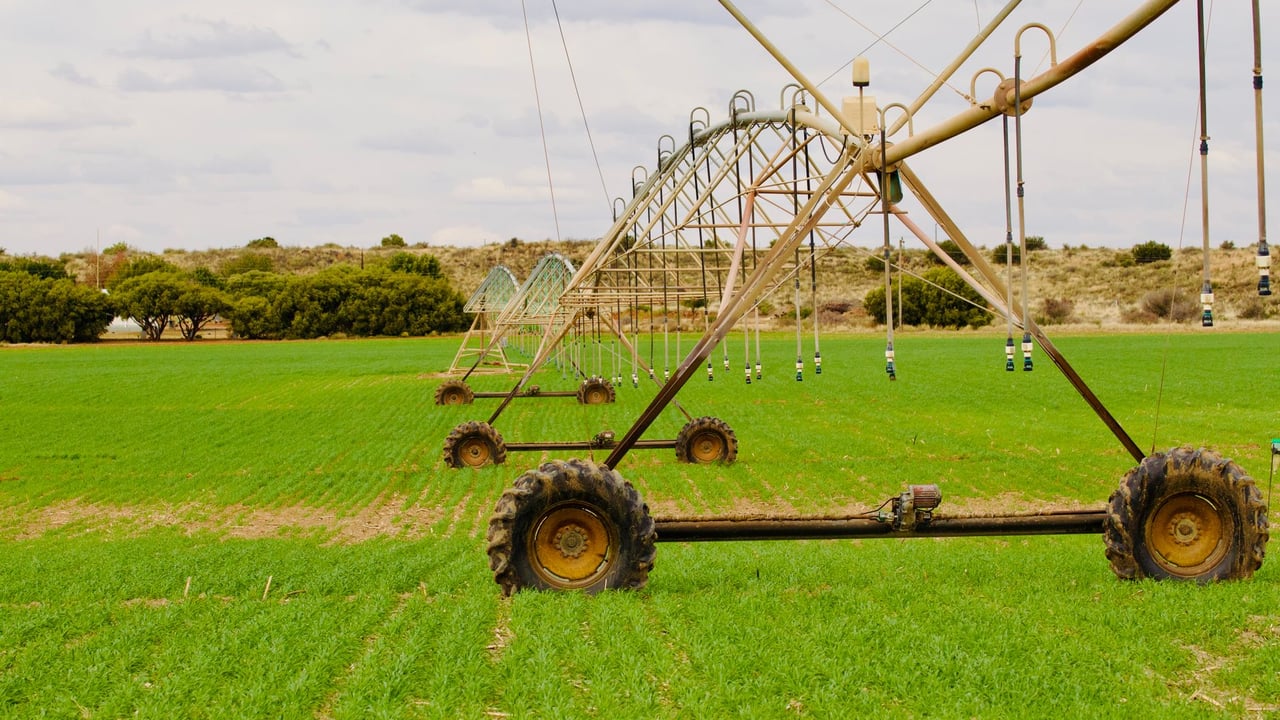
Photo by Ryan Lansdown on Pexels
The Brief
Agricultural researchers and local authorities in Tahe County, Heilongjiang Province, have achieved progress in cold-climate soybean breeding at latitude 53 degrees north. According to state media reports, the effort focuses on ultra-early-maturing soybean varieties tailored for extremely cold, high-latitude zones. The initiative aims to test yield potential, broaden the viable planting boundary for domestic soybeans, and support China's broader food security goals in regions with constrained accumulated temperatures.
Why it matters
Breeding and demonstrating ultra-early-maturing soybean varieties in extreme cold regions at 53 degrees north could widen China's viable soybean acreage. Expanding production into high-latitude areas with low thermal accumulation offers an avenue to lift aggregate domestic capacity, reducing reliance on imported supply.
China context
China has prioritized increasing soybean self-sufficiency and strengthening seed-industry innovation. Heilongjiang serves as China's primary production base for domestic non-GMO soybeans. Collaborations among local governments, research institutes, and commercial seed groups to breed cold-resilient, early-maturing cultivars represent a strategic focus for tapping underutilized northern borderlands.
Editor's View
EDITOR'S VIEW — Analysis and inference, not factual reporting.
Expanding soybean frontiers to 53 degrees north highlights how state agricultural priorities are pushing technical boundaries in marginal climates. While breeding milestones demonstrate biological feasibility, long-term commercial adoption will depend on consistent field performance, operational costs in extreme cold, and whether final yields can compete economically against alternative land uses.
What to watch
- Subsequent yield testing and field verification data for ultra-early-maturing varieties like Zhonghuang 940
- Formal variety approval timelines from national and provincial agricultural authorities
- Commercialization and distribution efforts by seed companies in high-latitude northern areas
Key Takeaways
- 1Tahe County in Heilongjiang Province has achieved cold-climate soybean breeding progress at latitude 53 degrees north.
- 2The initiative focuses on testing ultra-early-maturing varieties capable of yielding crops in extreme high-latitude climates.
- 3The effort aligns with national priorities to expand domestic soybean acreage, strengthen seed technology, and enhance grain security.
Agricultural authorities and researchers in Tahe County, Heilongjiang Province, have made new headway in breeding cold-climate soybeans at 53 degrees north, according to domestic media coverage. The region represents one of the northernmost agricultural environments in China, where short frost-free periods and low accumulated temperatures historically impose severe constraints on oilseed cultivation.
The development centers on evaluating and demonstrating ultra-early-maturing soybean varieties engineered to survive and mature under high-latitude cold conditions. By testing specific cold-resilient lines in far northern plots, researchers aim to establish viable cultivation parameters for extreme climatic belts, effectively pushing the northern geographic boundary of Chinese soybean farming.
Heilongjiang Province plays a central role in China's domestic soybean output, supplying the bulk of the nation's food-grade, non-GMO crop. In recent years, national agricultural policy has intensified support for seed-industry revitalization, encouraging regional agricultural stations and research institutions to tackle climate limitations. Expanding production zones into areas with restricted heat units is seen as an important mechanism to bolster aggregate supply without displacing staple grain acreage in central and southern agricultural belts.
While state media accounts emphasize the milestone achieved in Tahe County, broader commercial deployment remains contingent on ongoing field validation. Key factors include consistency across variable seasonal weather, final per-hectare yield assessments, and formal crop variety certifications. Seed enterprises and local agricultural bureaus are expected to track post-harvest metrics to determine whether the ultra-early cultivars can deliver stable economic returns for local farming operations.
Sources
- 北纬53度结出“金豆子” 塔河县寒地大豆育种实现新突破 — China News Service · 8/30/2026