
Business & IndustryAnalysis
Tianjin Seals China's First Aircraft Engine Direct Lease by Foreign Lessor
A 2.3 billion yuan aviation leasing structure in the Dongjiang Free Trade Port retains asset ownership and financing inside China.
Share
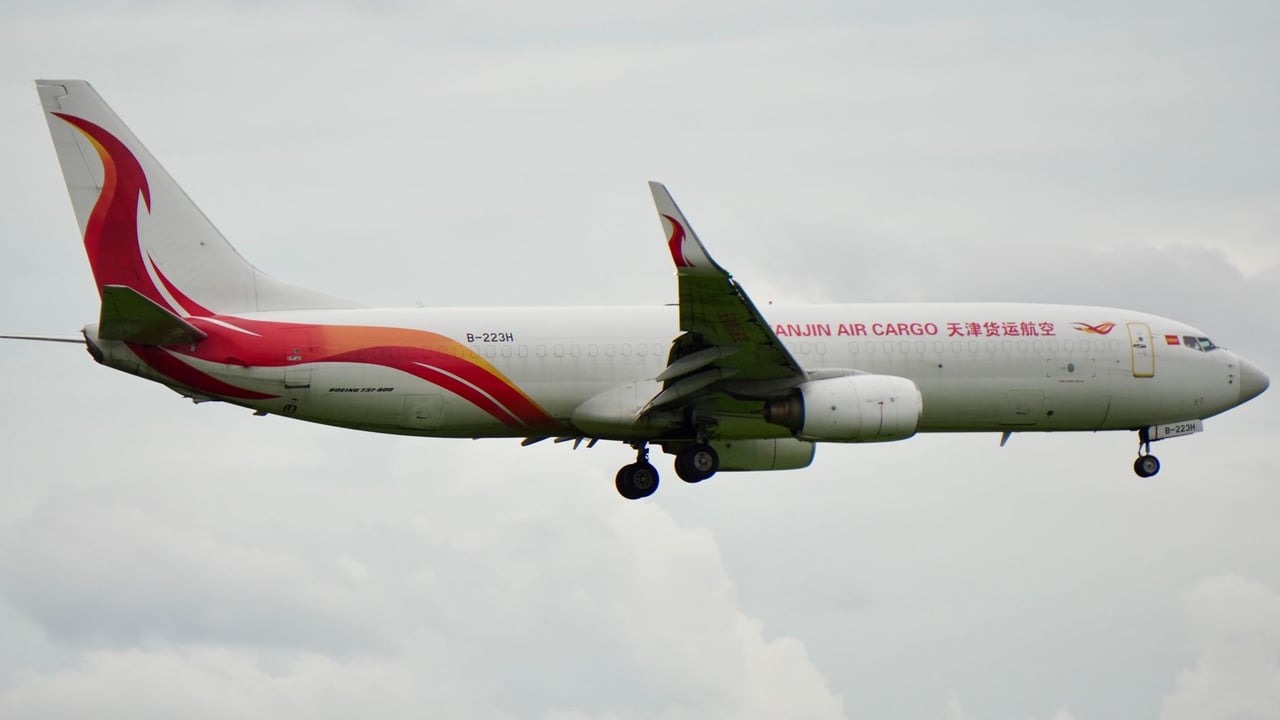
Photo by Tuan Vy Spotter on Pexels
The Brief
China has concluded its first direct aircraft engine leasing deal backed by a foreign lessor, with the project established in the Tianjin Dongjiang Comprehensive Bonded Zone. Valued at over 2.3 billion yuan (approximately $320 million), the initiative marks the first time a major foreign aviation leasing firm has based legal ownership and full asset-lifecycle management for aircraft engines directly inside China. The reform eliminates redundant special-purpose vehicles, cutting foreign exchange and operational overhead for Chinese carriers.
Why it matters
Aviation leasing traditionally requires offshore special-purpose vehicles that hold asset ownership while domestic airlines merely sublease usage rights. By bringing engine ownership, financing, and maintenance into a Chinese bonded zone, domestic carriers can bypass multi-layered intermediary transactions and lower currency exposure. If scaled, this structure strengthens domestic custody of high-value aerospace hardware throughout its operating lifecycle.
China context
The Tianjin Dongjiang Comprehensive Bonded Zone serves as China's primary pilot base for aviation finance and maritime leasing innovations. Chinese regulators have used free trade ports to test institutional openings in cross-border capital flows and customs clearance. This latest engine transaction reflects continuous efforts to capture downstream financial, asset-management, and maintenance revenues domestically rather than leaving them in offshore hubs such as Ireland or Singapore.
Editor's View
EDITOR'S VIEW — Analysis and inference, not factual reporting.
The move indicates that Chinese bonded zones are advancing from basic airframe financing toward more complex, component-level asset management. Aircraft engines carry unique maintenance and depreciation cycles that make multi-tiered leasing costly. By resolving ownership friction inside domestic customs boundaries, Tianjin is testing how foreign financial firms can operate under simplified regulatory scrutiny while catering to Chinese commercial fleets.
What to watch
- Whether additional international aircraft lessors adopt the direct-lease template in Tianjin or other Chinese bonded ports
- How domestic tax and customs regulators adapt inspection protocols for engines rotating through cross-border maintenance
- Which domestic airlines receive the first engine deliveries under the 2.3 billion yuan facility
Key Takeaways
- 1The project represents China's first direct aircraft engine lease backed by an overseas leasing company.
- 2Total investment in the Tianjin Dongjiang Comprehensive Bonded Zone project exceeds 2.3 billion yuan.
- 3The model places physical custody, financing, and legal ownership of the engines inside mainland China.
- 4Traditional aviation leasing setups required a separate domestic SPV per transaction without transferring asset ownership onshore.
- 5The new structure is designed to curtail intermediate transaction overhead and lower foreign exchange management costs for domestic airlines.
China has launched its first aircraft engine direct leasing project involving an overseas leasing company, according to a report by People's Daily. The deal was finalized in the Tianjin Dongjiang Comprehensive Bonded Zone with a total investment exceeding 2.3 billion yuan.
The project introduces a direct-leasing and asset-management model spanning the complete lifecycle of multiple aircraft engine categories. According to the state-run outlet, this represents the first instance in which a major foreign aviation leasing enterprise has established operational asset ownership directly within mainland China.
Under conventional cross-border leasing practices, foreign leasing firms operating in China typically establish a domestic special-purpose vehicle (SPV) within a comprehensive bonded zone. The SPV imports the engine on lease and subsequently subleases it to domestic airlines. Historically, this structure required establishing a separate SPV for almost every discrete leasing deal. Crucially, such project companies retained only rights of use rather than outright ownership, resulting in cumbersome procedures for maintenance, asset disposal, and cross-border currency clearing.
The Tianjin arrangement establishes a operational model characterized as keeping both physical hardware and legal title within domestic territory. By anchoring ownership, financing, and asset management in the mainland, the program significantly reduces intermediate corporate entities.
People's Daily noted that this streamlined mechanism lowers foreign exchange management frictions and overall leasing costs for Chinese airlines. Authorities intend to use the framework as a reference model for future aviation finance projects across the country.
Sources
- 国内首个境外企业飞机发动机直租项目落地天津--经济·科技--人民网 — People's Daily · 9/4/2026