
Business & IndustryAnalysis
Frontline Energy Workers Detail Robotics and Digital Shift at Beijing Briefing
Engineers and technicians demonstrate how practical field expertise is being converted into data models to support China's grid reliability.
Share
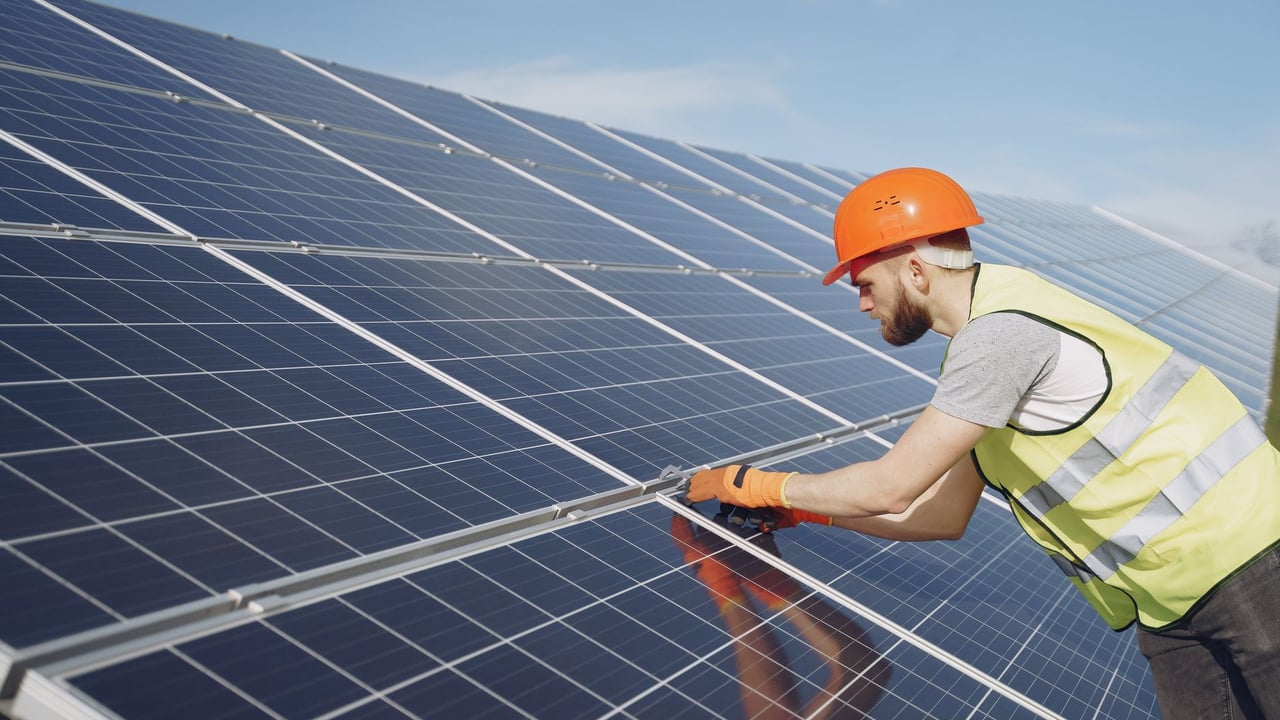
Photo by Gustavo Fring on Pexels
The Brief
Frontline Chinese energy practitioners met with domestic and foreign media in Beijing to discuss how digital tools and automation are modernizing traditional utility operations while supporting supply reliability. At a State Council Information Office briefing hosted at a solar demonstration facility in Beijing's Miyun District, State Grid engineer Wang Yuepeng described how decades of live-line maintenance experience were translated into algorithms for power-grid robotics. The briefing highlighted ongoing efforts by state utilities to merge manual operational knowledge with automated systems as grid demands rise.
Why it matters
Grid stability and safety during maintenance are fundamental challenges as power systems accommodate fluctuating loads and green energy sources. Demonstrating that field knowledge can be successfully systematized into automated robotics offers an operational template for scaling grid modernization without losing veteran technical know-how.
China context
China is accelerating the modernization of its power transmission and generation sectors under broader clean energy and grid-reliability mandates. By hosting public briefings directly at demonstration sites and spotlighting technical specialists, authorities aim to show how state-owned enterprises are balancing high-tech innovation with basic operational safety on the ground.
Editor's View
EDITOR'S VIEW — Analysis and inference, not factual reporting.
The focus on frontline personnel converting manual procedures into robotics reflects a pragmatic turn in industrial automation narratives. Rather than treating artificial intelligence and robotics as wholesale replacements for the industrial workforce, utility operators are positioning these technologies as quantitative extensions of veteran human experience, aiming to preserve institutional knowledge amid generational turnover.
What to watch
- Further technical disclosures regarding the operational deployment of live-line maintenance robots across regional grid networks.
- Adoption rates of automated robotics and robotic inspection across centralized solar and renewable energy installations.
Key Takeaways
- 1The State Council Information Office held an energy transition briefing at a solar demonstration site in Miyun District, Beijing.
- 2State Grid Beijing Changping Power Supply Company's Wang Yuepeng outlined how live-line maintenance robots were developed using veteran field data.
- 3The operational shift focuses on converting manual power maintenance experience into quantitative data models to enhance safety and grid reliability.
Frontline power workers and technical specialists shared insights on industrial automation and power grid security during a media event organized by China's State Council Information Office in Beijing, according to reporting by the National Business Daily.
The press briefing, centered on promoting green energy transition and ensuring reliable supply, took place at a centralized photovoltaic project and wasteland restoration demonstration base in Xitiangezhuang Town, located in Beijing's Miyun District. The venue itself was converted from long-standing agricultural wasteland at the foot of local mountains into a functional solar installation.
During the session, representatives outlined how traditional energy operations are adopting digital and automated systems to safeguard baseline power supply. Wang Yuepeng, technical chief and head of the live-line operations team at State Grid Beijing Changping Power Supply Company, explained how practical maintenance experience is being preserved and digitized.
Wang, who graduated from a technical school in 1998, recounted how his mentor, Peng Xinli—recognized as an early pioneer in live-line power distribution work for State Grid Beijing—built the utility's live-line maintenance protocols from the ground up under constrained conditions. Wang stated that his team has since led the development of live-line maintenance robots, relying directly on the operational data and field experience accumulated by veteran line workers to build and update the systems' algorithms.
According to Wang, translating those manual working methods into quantitative data models improves the safety of live-line repairs and strengthens the overall reliability of residential power delivery during extreme weather periods, such as peak air-conditioning demands in summer and winter heating seasons.
Wang also advised younger technicians entering the utility sector to maintain a rigorous, analytical mindset while pursuing technological exploration and operational innovation, as traditional infrastructure increasingly interfaces with digital and automated tooling.
Sources
- 从人工听音辨故障到机器狗巡检光伏⋯⋯这些能源从业者助推传统能源智能化转型 — National Business Daily · 9/23/2026
- 保安全、促转型 能源领域工作者谈创新故事 — China News Service · 9/24/2026