
Policy & RegulationAnalysis
Wang Yi Meets Brazilian Presidential Advisor Celso Amorim in Beijing
Senior officials from Beijing and Brasília pledge closer strategic coordination and renewed momentum for bilateral ties.
Share
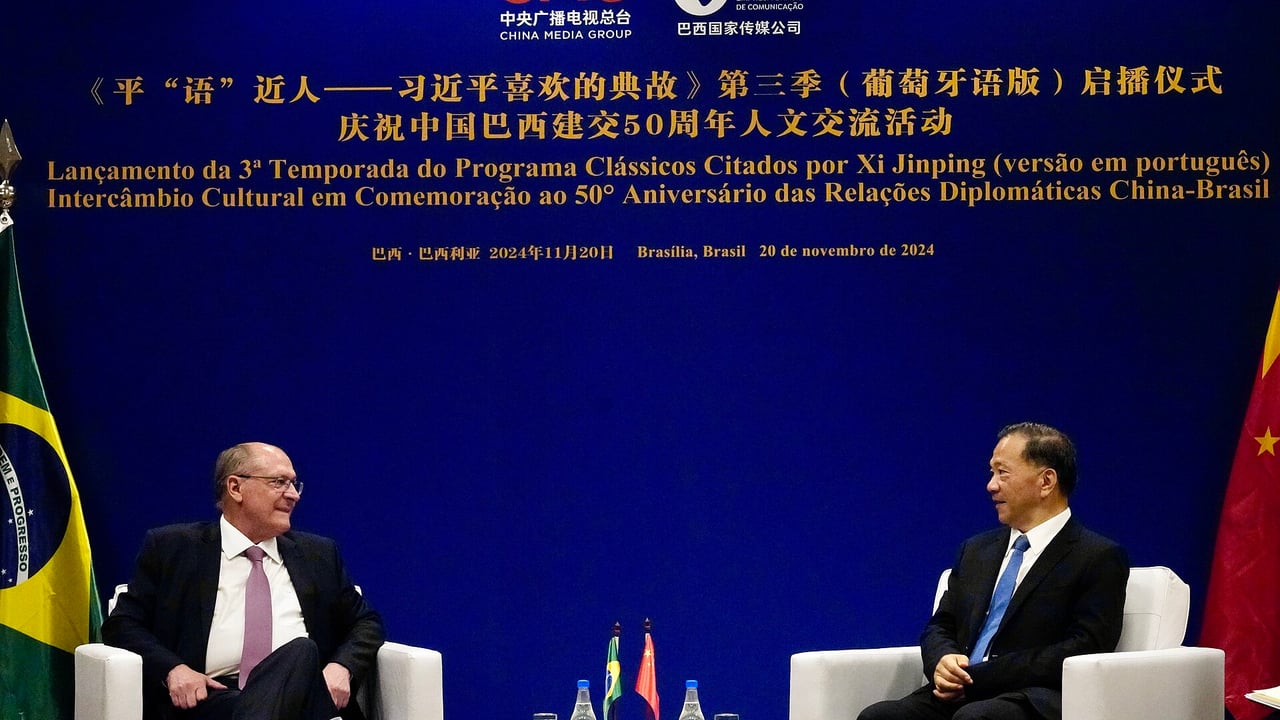
Vice-Presidência da República via Wikimedia Commons, CC BY 2.0
The Brief
Wang Yi, director of the Office of the Central Commission for Foreign Affairs, met with Celso Amorim, chief advisor to the President of Brazil, in Beijing on September 16. According to state media reports, the two officials exchanged greetings on behalf of Chinese President Xi Jinping and Brazilian President Luiz Inácio Lula da Silva. Both sides reaffirmed their commitment to translating head-of-state consensus into deeper cooperation, emphasizing strategic coordination on major international questions and advancing their joint vision of a shared future.
Why it matters
Brazil is Latin America's largest economy and a cornerstone partner for China within the Global South and BRICS. Sustained senior-level dialogue between Beijing and Brasília directly influences the evolution of multilateral coordination, international development finance, and diplomatic positions on major global governance reforms.
China context
Beijing views its relationship with Brazil as an anchor for its broader engagement across Latin America and the developing world. By framing ties around a community with a shared future, Chinese diplomacy seeks to solidify long-term alignment with major regional leaders on trade stability, climate commitments, and multipolar international governance.
Editor's View
EDITOR'S VIEW — Analysis and inference, not factual reporting.
The meeting between Wang Yi and Celso Amorim reflects steady institutional maintenance in China-Brazil relations rather than an unexpected policy shift. Amorim, a veteran diplomat and trusted confidant of President Lula, frequently serves as the administration's primary envoy on delicate geopolitical matters. The formal reiteration of their leapfrog transition—from a comprehensive strategic partnership to a community with a shared future—underlines Beijing's desire to institutionalize bilateral progress ahead of upcoming multilateral summits. Readers should watch how rhetoric surrounding a more just world and a sustainable planet translates into concrete voting alignment and joint initiatives in venues such as the G20 and the United Nations.
What to watch
- Follow-up high-level diplomatic visits or ministerial engagements between China and Brazil in the coming months.
- Joint statements or shared initiatives advanced by the two nations at multilateral platforms, including the UN, G20, and expanded BRICS framework.
Key Takeaways
- 1Wang Yi met Brazilian Presidential Chief Advisor Celso Amorim in Beijing on September 16.
- 2Both diplomats delivered greetings between President Xi Jinping and President Luiz Inácio Lula da Silva.
- 3Wang described the bilateral relationship as having achieved leapfrog development toward a community with a shared future.
- 4Amorim expressed Brazil's commitment to implementing presidential consensus to build a more just and sustainable international order.
Wang Yi, a member of the Political Bureau of the Communist Party of China Central Committee and director of the Office of the Central Commission for Foreign Affairs, met with Celso Amorim, chief advisor to the President of Brazil, in Beijing on September 16, according to reports published by Xinhua and People's Daily.
During the meeting, Wang conveyed cordial greetings from Chinese President Xi Jinping to Brazilian President Luiz Inácio Lula da Silva. Wang noted that under the strategic guidance of both heads of state, China-Brazil relations have achieved leapfrog development in recent years, advancing from a comprehensive strategic partnership to what Beijing characterizes as a community with a shared future.
Wang emphasized that China and Brazil should continue to deepen practical bilateral cooperation while strengthening strategic coordination on major international and regional issues. The official readout highlighted the shared responsibility felt by both nations as leading representatives of the Global South navigating a complex international landscape.
Amorim conveyed sincere greetings from President Lula to President Xi, according to the state media dispatch. He reaffirmed Brazil's willingness to work alongside China to implement the agreements reached by their respective heads of state. Amorim further stated that Brasília seeks to inject new substance into the China-Brazil community with a shared future, aimed at building a more just world and a more sustainable planet.
The meeting underscores the close diplomatic pipeline maintained between Brasília and Beijing. Amorim, a former Brazilian foreign minister and defense minister, plays a central advisory role in shaping Brazil's external engagements under the Lula administration. His visit to Beijing provides continuity to bilateral consultations on bilateral trade, multilateral governance, and climate agendas.
While the official dispatches from Beijing did not release specific bilateral agreements or operational communiqués following the encounter, the reaffirmed commitments point toward continued policy harmonization between two of the leading voices of the BRICS grouping.
Sources
- 王毅会见巴西总统首席特别顾问阿莫林 — China News Service · 9/16/2026
- 王毅会见巴西总统首席特别顾问阿莫林 --时政--人民网 — People's Daily · 9/17/2026
- 王毅会见巴西总统首席特别顾问阿莫林--时政--人民网 — People's Daily · 9/17/2026