
Business & IndustryAnalysis
Wuhan Digital Logistics Pilots Cut Inland Multimodal Transport Costs
Cross-regional data sharing between Wuhan and coastal ports reduces transit times and customs friction for central China.
Share
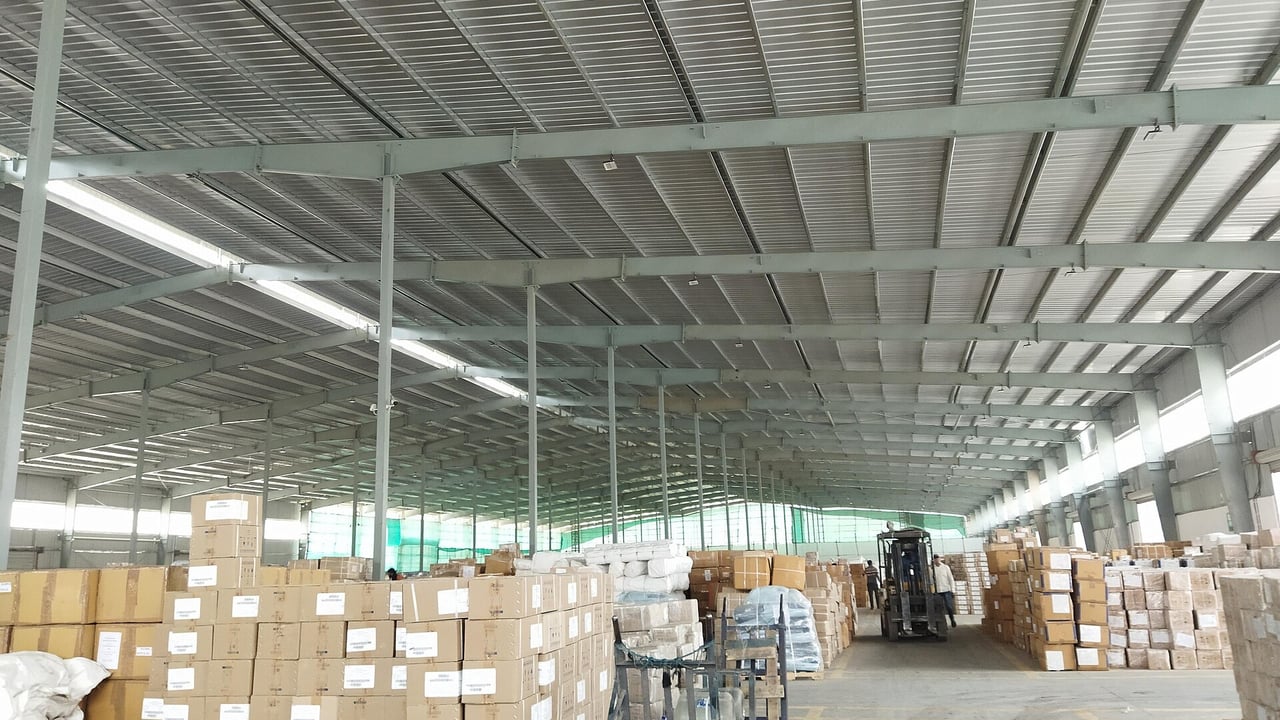
Bopaliaq via Wikimedia Commons, CC BY-SA 4.0
The Brief
Wuhan, a designated pilot city for national logistics data integration, is streamlining inland freight by dismantling data silos between maritime, customs, and overland transport. The Wuhan Changjiang Guomao multimodal transport and supply chain finance service platform, launched in trial operations in 2024, has onboarded over 300 logistics enterprises and processed more than 20,000 multimodal orders. By pairing platform data with cross-regional customs coordination between Shanghai and Wuhan, regional freight operators report logistics cost reductions of 15% to 20% and transit time savings of roughly 50%.
Why it matters
Logistics efficiency directly dictates import costs and economic competitiveness for inland regions. By linking multimodal transport data with coastal customs authorities, inland hubs can bypass cumbersome multi-stage clearances, lowering overall supply chain costs for imported consumer goods and raw materials.
China context
Beijing has prioritized building a unified national market and lowering nationwide logistics costs through digitalization. Wuhan, leveraged by its deep-water access along the Yangtze River Economic Belt, exemplifies how inland transport hubs are using regulatory and digital integration to develop direct foreign trade capabilities previously limited to coastal ports.
Editor's View
EDITOR'S VIEW — Analysis and inference, not factual reporting.
The operational gains reported in Wuhan illustrate the high returns on removing administrative and data friction in domestic freight networks. For inland industrial and commercial hubs across China, direct digital customs linkage with maritime gateways like Shanghai transforms river corridors into direct ocean conduits, though long-term scalability will depend on standardizing data systems across different provincial operators.
What to watch
- Expansion of Hubei's logistics data-sharing network to additional coastal gateways and border crossings
- Adoption rates of standardized multimodal data platforms among private freight forwarders
- National policy initiatives aimed at standardizing interprovincial customs data exchange along the Yangtze corridor
Key Takeaways
- 1Wuhan is serving as a pilot hub for national logistics data open interconnection, integrating shipping, warehousing, and highway transport data.
- 2A direct cross-regional data pipeline between Wuhan and Shanghai enables direct inland customs clearance, cutting vessel wait times from six hours to two.
- 3The Wuhan Changjiang Guomao multimodal platform, active since 2024, has processed over 20,000 orders across 300 registered enterprises.
- 4Participating logistics operators report freight cost reductions between 15% and 20% alongside shortened international transit times.
Wuhan is advancing digital integration across its freight networks as part of a national pilot program to connect logistics data, aiming to reduce distribution costs for inland supply chains.
Historically, imported cargo bound for inland hubs required initial customs clearance at coastal entry ports like Shanghai, Tianjin, or Shenzhen before transshipment inland, adding handling delays and operational costs. Following waterway regulation upgrades along the Yangtze River that permit 10,000-ton vessels to navigate directly to Wuhan, regional authorities established cross-regional data-sharing channels between Wuhan and Shanghai customs.
Under this arrangement, regulatory data covering vessel trajectories, flight schedules, and terminal operations is synchronized in real time. This allows overseas cargo to move directly to Wuhan under a unified declaration, inspection, and release process without intermediate customs handling in Shanghai. According to Lu Liying, a manager at SIPG Yangtze River Logistics Hubei Co., container transfers to cold-chain trucks no longer require secondary inspections, cutting vessel waiting times from approximately six hours to two hours and halving transit transfer durations.
To complement regulatory coordination, the Wuhan Changjiang Guomao multimodal transport and supply chain finance service platform began trial operations in 2024. According to technical head Wang Huan, the platform unified data standards across customs, port authorities, shipping lines, and highway carriers while offering free customized services to attract participants. The platform has since onboarded more than 300 logistics enterprises and facilitated over 20,000 multimodal transport orders.
Logistics operators report notable efficiency gains. Peng Haifeng, executive general manager of Huapei Commerce and Logistics Group, noted that fresh produce shipments from South America now complete transit in under 40 days, down from prior timelines that relied on manual tracking via phone calls and emails. Real-time scheduling has lowered average logistics costs by 15% to 20%, prompting the company to expand import volumes of beef, seafood, and wine.
Sources
- 智慧物流网,这样建起来(大数据观察·“六张网”里的新动能)--经济·科技--人民网 — People's Daily · 8/20/2026