
Defense & StrategyAnalysis
Xi Attends SCO Summit in Bishkek as Bloc Issues Nuclear Safety Declaration
Chinese President travels to Central Asia and Egypt while SCO member states reaffirm sovereign responsibility over nuclear security.
Share
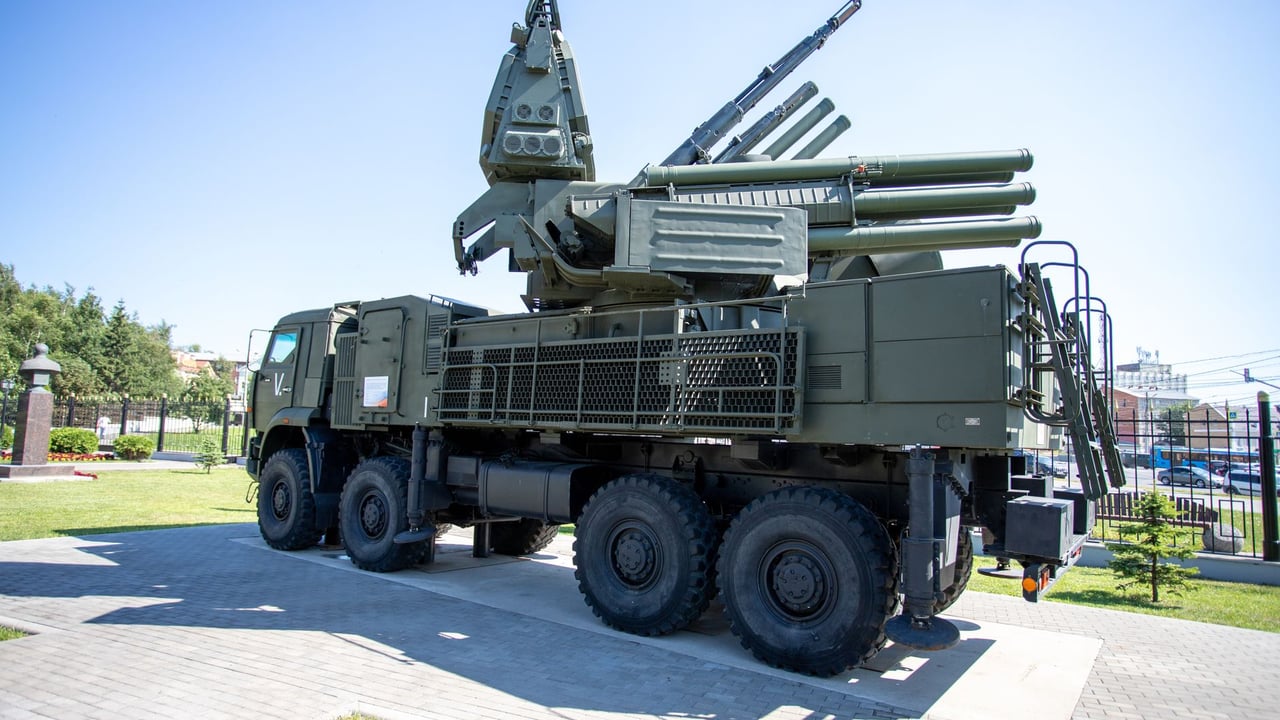
Photo by Михаил Крамор on Pexels
The Brief
Chinese President Xi Jinping traveled to Bishkek to attend the 2026 Shanghai Cooperation Organisation (SCO) summit, accompanied by senior officials including Foreign Minister Wang Yi and Chief of Staff Cai Qi. Alongside the summit, Xi is conducting state visits to Kyrgyzstan and Egypt at the invitation of President Sadyr Japarov and President Abdel Fattah el-Sisi. During the gathering, SCO leaders adopted a joint declaration emphasizing multilateral partnerships in nuclear safety and security, explicitly affirming that national governments bear sole responsibility for their domestic nuclear security.
Why it matters
The diplomatic mission links regional multilateral diplomacy in Central Asia with high-level outreach to the Middle East. By securing a joint declaration on nuclear safety and security within the SCO framework, Beijing and its regional partners are establishing shared standards on critical non-proliferation and facility protection issues while reinforcing the principle of state sovereignty over strategic assets.
China context
Beijing regularly uses the Shanghai Cooperation Organisation as a core multilateral platform to project its security vision in Eurasia. Connecting an SCO summit with bilateral state visits to Kyrgyzstan and Egypt reflects China's broader strategy of strengthening peripheral security in Central Asia while expanding strategic and diplomatic engagement with key Arab nations.
Editor's View
EDITOR'S VIEW — Analysis and inference, not factual reporting.
The nuclear safety declaration highlights how the SCO is progressively formalizing common ground on sensitive non-traditional security issues. By anchoring nuclear security firmly to state sovereignty and operator accountability, the declaration aligns closely with China's long-standing diplomatic emphasis on sovereign non-interference in strategic infrastructure. Xi's subsequent itinerary to Egypt highlights an effort to balance Central Asian borderland diplomacy with deeper engagement in North Africa and the broader Middle East.
What to watch
- Specific bilateral agreements signed between China and Kyrgyzstan in Bishkek
- Outcomes and joint initiatives emerging from Xi's state visit to Egypt
- Follow-up institutional mechanisms within the SCO regarding the prevention of illicit nuclear trafficking
Key Takeaways
- 1President Xi Jinping departed Beijing for the 2026 SCO summit in Bishkek, followed by state visits to Kyrgyzstan and Egypt.
- 2The delegation includes Politburo Standing Committee member Cai Qi and Foreign Minister Wang Yi.
- 3SCO heads of state issued a joint declaration on nuclear safety and security, stressing national sovereignty and operator responsibility.
- 4The declaration addresses risks surrounding illicit nuclear trafficking and the physical protection of nuclear facilities.
Chinese President Xi Jinping departed Beijing on August 30 to attend the 2026 Shanghai Cooperation Organisation (SCO) summit in Bishkek, according to state media reports. Alongside the multilateral meeting, Xi is conducting state visits to Kyrgyzstan and Egypt upon the invitations of Kyrgyz President Sadyr Japarov and Egyptian President Abdel Fattah el-Sisi.
Xi was accompanied by high-level Chinese officials, including Peng Liyuan, Politburo Standing Committee member and Director of the General Office Cai Qi, and Foreign Minister Wang Yi.
During the summit in Bishkek, the SCO Council of Heads of State adopted a formal declaration on strengthening multilateral partnerships in nuclear safety and nuclear security. According to the document published by Xinhua, member states reaffirmed their adherence to the SCO Charter, the United Nations Charter, and recognized principles of international law, including respect for sovereignty, territorial integrity, and non-interference in internal affairs.
The declaration specifically underscored that the primary responsibility for nuclear security rests entirely with sovereign states. It also noted that nuclear safety responsibilities are borne by the operating bodies of nuclear facilities and the states in which those facilities are situated.
Member states highlighted nuclear safety and security as critical international security elements that directly affect the populations of SCO countries. The declaration addressed shared risks, including the illicit trafficking of nuclear and other radioactive materials and potential threats targeting nuclear installations.
Xi's dual-track diplomatic mission reflects China's dual focus on multilateral regional frameworks and bilateral ties across Eurasia and the Middle East. After concluding summit activities in Bishkek, the delegation proceeds with state visits to Kyrgyzstan and Egypt, aiming to advance bilateral cooperation in trade, regional stability, and infrastructure.
Sources
- [视频]习近平离京出席2026年上海合作组织峰会并对吉尔吉斯斯坦、埃及进行国事访问 — Tv · 8/31/2026
- 上海合作组织成员国元首理事会关于加强核安全与核安保多边伙伴关系的宣言 — Ministry of National Defense · 9/2/2026
- 上海合作组织成员国元首理事会关于加强核安全与核安保多边伙伴关系的宣言 — China News Service · 9/2/2026