
Daily BriefAnalysis
Chinese President Xi Jinping Departs for State Visit to the United States
Xi heads to Washington at President Donald Trump's invitation, accompanied by top aides Cai Qi and Wang Yi.
Share
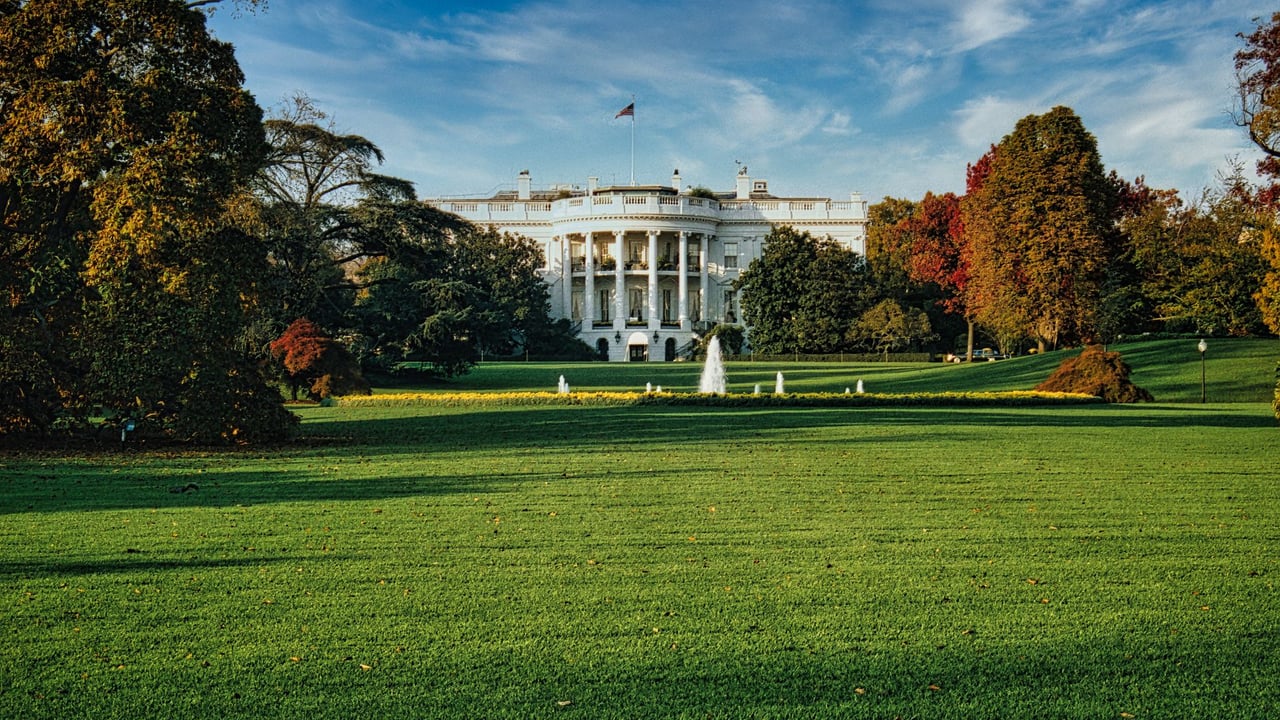
Photo by Tom Fisk on Pexels
The Brief
Chinese President Xi Jinping departed Beijing on the afternoon of September 23 for a state visit to the United States at the invitation of U.S. President Donald Trump, according to Chinese state media reports. Xi is accompanied on the diplomatic trip by his wife, Peng Liyuan, along with key leadership figures including Politburo Standing Committee member Cai Qi and Foreign Minister Wang Yi.
Why it matters
Direct bilateral engagements between the leaders of China and the United States serve as critical barometers for the global economy and geopolitical stability. A formal state visit provides a platform for top-level strategic communication, which can establish boundaries for technological and trade competition while managing risks surrounding regional security hotspots.
China context
The presence of Cai Qi, director of the General Office of the Chinese Communist Party and a member of the Politburo Standing Committee, highlights the high-level operational weight Beijing assigns to this summit. Cai rarely travels internationally and his inclusion alongside Foreign Minister Wang Yi indicates that Xi's core political and diplomatic apparatus is directly managing the visit.
Editor's View
EDITOR'S VIEW — Analysis and inference, not factual reporting.
The initial announcements released through Xinhua and amplified across state outlets were brief and procedural, adhering strictly to standard protocol dispatches. By traveling with both his chief administrative official and top foreign affairs strategist, Xi signals that Beijing is approaching the visit with tight coordination across both party and state diplomatic organs. The sparse details in the initial announcement also allow Beijing flexibility in framing the outcomes of the summit once discussions conclude.
What to watch
- Official reception protocols and bilateral greeting arrangements upon Xi's arrival in the United States.
- Potential communiqués, bilateral agreements, or shared consensus reached during face-to-face meetings between Xi and Trump.
- Counterpart meetings between accompanying Chinese officials, including Wang Yi, and senior U.S. cabinet members.
Key Takeaways
- 1President Xi Jinping left Beijing on September 23 for an official state visit to the United States at the invitation of President Donald Trump.
- 2The official delegation includes First Lady Peng Liyuan, Politburo Standing Committee member Cai Qi, and Foreign Minister Wang Yi.
- 3Initial state media coverage focused exclusively on procedural departure details without publishing specific agenda topics or meeting schedules.
Chinese President Xi Jinping departed Beijing by special plane on the afternoon of September 23 to begin a state visit to the United States, official Chinese state media reported. According to dispatches published across domestic official and military platforms, the trip comes at the formal invitation of U.S. President Donald Trump.
Xi is traveling with a high-level official delegation. Accompanying the Chinese leader are his wife, Peng Liyuan, alongside Cai Qi, a member of the Politburo Standing Committee and director of the General Office of the Chinese Communist Party Central Committee, and Wang Yi, a member of the Politburo and China's Minister of Foreign Affairs.
The inclusion of senior leadership figures follows established protocol for major international state visits. Cai Qi, who ranks fifth in the Communist Party hierarchy and oversees central party administrative operations, accompanies Xi on select high-priority bilateral engagements. Wang Yi brings direct diplomatic continuity to the talks, having handled extensive prior rounds of bilateral dialogue with American officials.
Official coverage distributed through the Xinhua News Agency, the Cyberspace Administration of China, and the PLA's China Military Online offered a strictly procedural confirmation of the departure. The notices did not elaborate on specific agenda items, the expected duration of the visit, or potential deliverables between the two governments.
The visit takes place against a backdrop of ongoing friction and negotiation between the world's two largest economies over supply chains, market access, and security issues in the Indo-Pacific. High-level summits between Beijing and Washington are frequently used to establish guardrails against diplomatic escalation and maintain working communication channels across economic and national security portfolios.
Sources
- 习近平离京对美国进行国事访问 — Cyberspace Administration of China · 9/23/2026
- 习近平离京对美国进行国事访问 - 中国军网 — China Military Online · 9/23/2026