
Policy & RegulationAnalysis
Xi Jinping Inspects Shanghai, Emphasizing 'People's City' Concept and Urban Renewal
The visit highlights the central government's focus on balancing modernization with social welfare in China's financial hub.
Share
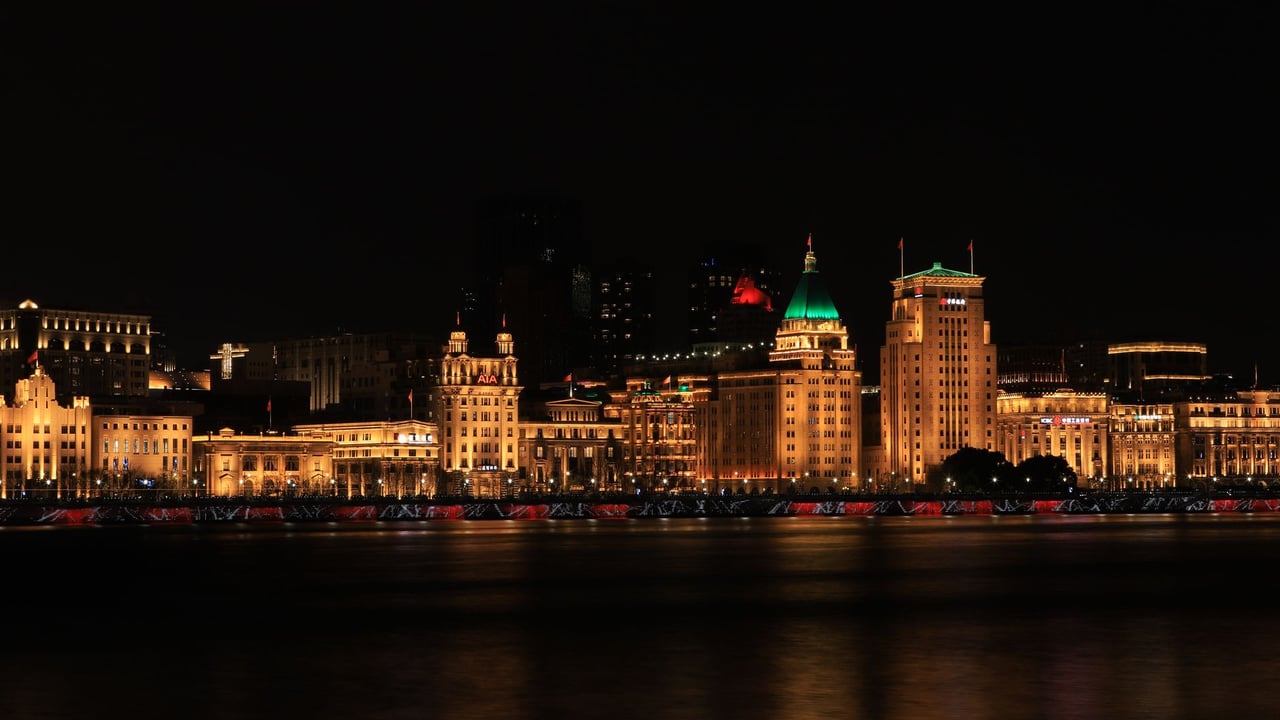
Photo by JC Terry on Pexels
The Brief
Chinese President Xi Jinping conducted an inspection in Shanghai on July 15, 2026, where he stressed the importance of the "People's City" ideology and the need for high-quality urban renewal. Accompanied by senior official Cai Qi, Xi's visit underscores a policy priority of integrating social welfare with urban development. This inspection signals a continued push for governance models that prioritize resident well-being alongside economic modernization in one of China's most critical economic centers.
Why it matters
This inspection signals the central government's continued focus on urban governance and social stability through 'people-centric' development, particularly in China's most prominent financial hub.
China context
The visit reinforces the 'People's City' ideology, a key component of Xi Jinping's domestic governance strategy, which seeks to balance rapid modernization with social welfare and community-level management.
Editor's View
EDITOR'S VIEW — Analysis and inference, not factual reporting.
The emphasis on "urban renewal" suggests a shift from greenfield expansion to the optimization of existing urban spaces. By framing this within the "People's City" concept, the leadership is likely attempting to mitigate the social frictions often associated with gentrification and redevelopment. Shanghai often serves as a pilot for national policies; therefore, the specific methods of "high-quality" renewal observed here may soon be exported to other Tier-1 and Tier-2 cities.
What to watch
- Potential new regulations or funding announcements regarding urban renewal in Shanghai.
- Follow-up reports from Xinhua or CCTV providing detailed quotes from the inspection.
- Whether other major Chinese cities launch similar 'high-quality urban renewal' initiatives following this visit.
Key Takeaways
- 1Xi Jinping inspected Shanghai on July 15, 2026, focusing on urban governance.
- 2The "People's City" concept was highlighted as a guiding principle for development.
- 3High-quality urban renewal was identified as a priority for the city's next phase.
- 4Senior official Cai Qi accompanied Xi during the inspection.
Chinese President Xi Jinping conducted an inspection tour of Shanghai on July 15, 2026, emphasizing the comprehensive implementation of the "People's City" concept and the advancement of high-quality urban renewal. Xi was accompanied during the visit by Cai Qi, a member of the Standing Committee of the Political Bureau of the CPC Central Committee and Director of the General Office of the CPC Central Committee.
The "People's City" ideology, which Xi has championed in recent years, posits that urban planning and management should prioritize the needs and well-being of residents. During the inspection, Xi reportedly stressed that urban renewal projects must be carried out with a focus on high quality, suggesting a move away from purely growth-oriented development toward more sustainable and socially integrated urban environments. This approach is intended to address the challenges of an aging population and the need for more efficient land use in densely populated areas.
Shanghai, as China's primary financial and commercial hub, often serves as a testing ground for national governance strategies. The focus on urban renewal comes at a time when many Chinese metropolises are shifting their focus from outward expansion to the revitalization of aging infrastructure and neighborhoods. By emphasizing "high-quality" renewal, the leadership appears to be targeting improvements in living standards, public services, and the preservation of local heritage within the modernization process.
The presence of Cai Qi underscores the political significance of the inspection. As a key advisor to Xi, Cai's involvement suggests that the "People's City" concept remains a central pillar of the administration's domestic policy, particularly regarding social stability and the legitimacy of urban governance. The visit likely serves to signal to local officials across China that the central government expects a continued commitment to these principles.
While the initial reports provide a broad overview of the inspection's themes, specific details regarding new policy directives or specific project sites visited remain limited. Observers expect further state media coverage to elaborate on the practical applications of Xi's instructions for Shanghai's future development and how these might influence national urban policy.
Sources
- 习近平在上海考察时强调 全面践行人民城市理念 高质量推进城市更新 蔡奇陪同考察 — NetEase · 7/15/2026