
Policy & RegulationAnalysis
Xi Jinping to Attend 18th BRICS Summit in India on Modi Invitation
China announces President Xi will travel to New Delhi for the leaders' gathering on September 12–13.
Share
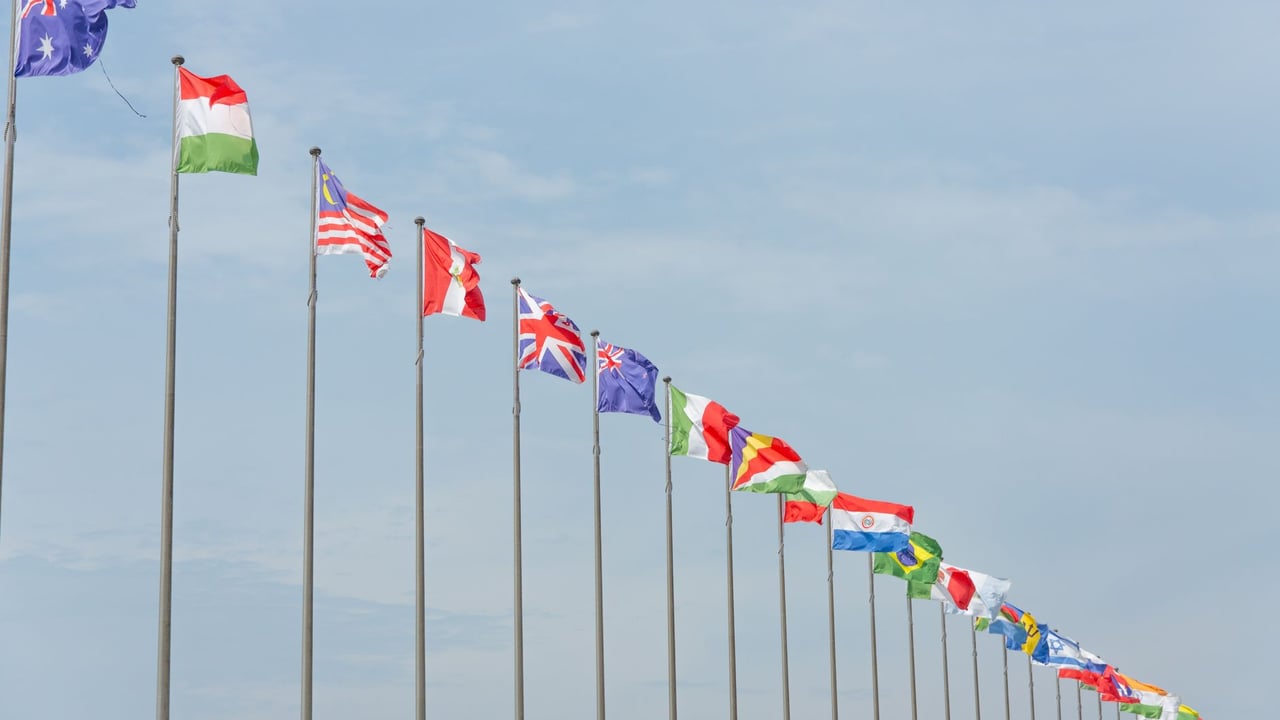
Photo by dom free on Pexels
The Brief
Chinese President Xi Jinping will travel to New Delhi to attend the 18th BRICS Summit from September 12 to 13, following an invitation from Indian Prime Minister Narendra Modi, China's Ministry of Foreign Affairs announced. State media commentary framed the trip around advancing 'Greater BRICS cooperation' and strengthening solidarity among Global South economies. The multilateral gathering marks an important diplomatic engagement between Beijing and New Delhi as the expanded BRICS bloc seeks to coordinate economic and governance priorities.
Why it matters
The BRICS summit provides a critical multilateral forum for emerging economies navigating global trade tensions and institutional governance reform. Xi's personal attendance highlights Beijing's sustained commitment to the bloc following its recent expansion, while placing senior Chinese and Indian leadership in the same diplomatic venue.
China context
Beijing consistently positions BRICS as a core multilateral platform for non-Western economies and a counterweight to traditional Western-led institutions. Chinese state media commentary leading up to the summit emphasizes continuity with Xi's participation dating back to the 2013 Durban summit, promoting the concept of 'Greater BRICS cooperation' to project stability and collective self-reliance across the Global South.
Editor's View
EDITOR'S VIEW — Analysis and inference, not factual reporting.
The official confirmation of Xi Jinping's visit to New Delhi underscores China's intent to keep multilateral channels active despite ongoing bilateral complexities with India. Rather than focusing on bilateral disputes, Beijing's official coverage directs attention toward institutional consolidation under the 'Greater BRICS' framework. Observers should track whether the summit produces tangible institutional mechanisms for economic settlement or development financing, and whether any side engagements occur between Chinese and Indian leadership on the sidelines of the multilateral sessions.
What to watch
- Potential sideline bilateral meetings or interactions between Chinese and Indian officials during the summit
- Key language in the joint leaders' declaration on multilateral trade, financial architecture, and bloc governance
- Further institutional measures to formalize cooperation under the expanded 'Greater BRICS' framework
Key Takeaways
- 1President Xi Jinping will visit New Delhi on September 12–13 for the 18th BRICS Summit at the invitation of Indian Prime Minister Narendra Modi.
- 2China's foreign ministry confirmed the travel schedule on September 10, accompanied by state media commentary championing 'Greater BRICS cooperation.'
- 3Official Chinese messaging stresses the historic role of BRICS as a platform for Global South unity and multipolar governance.
- 4The official announcements did not specify details on potential bilateral side meetings between Chinese and Indian leaders.
Chinese President Xi Jinping will attend the 18th BRICS Summit in New Delhi, India, scheduled for September 12 to 13, China's Ministry of Foreign Affairs announced on September 10. According to official releases carried across state media platforms, the visit takes place at the invitation of Indian Prime Minister Narendra Modi.
The announcement sets the stage for high-level diplomatic participation in the premier grouping of emerging markets. In commentary released alongside the travel confirmation, state media described the BRICS cooperation mechanism as an essential platform for solidarity among emerging markets and developing countries, framing the forthcoming summit as a venue to draw a blueprint for high-quality development under the expanded 'Greater BRICS' model.
Chinese official previews highlighted the continuity of China's engagement with the bloc, noting that Xi has actively steered Beijing's BRICS strategy since attending the fifth summit in Durban, South Africa, in March 2013. The commentaries asserted that Beijing intends to use the New Delhi summit to foster unity across the Global South and introduce positive momentum into an uncertain international environment, reiterating standard diplomatic tenets of open, inclusive, and win-win cooperation.
While state media announcements focused primarily on the multilateral agenda of BRICS, the summit inherently places Chinese and Indian leadership in close proximity amid delicate bilateral relations. The Chinese Ministry of Foreign Affairs statement did not detail a specific bilateral itinerary beyond Xi's participation in the multilateral summit agenda.
As the host nation, India convenes the 18th summit amidst ongoing global debates regarding institutional representation, trade fragmentation, and international financial reform. Beijing's messaging ahead of the gathering signals that it views the expanded BRICS format as a central diplomatic pillar for coordinating emerging-market viewpoints on global governance, economic resilience, and multipolar cooperation.
Sources
- 习近平将赴印度出席金砖国家领导人第十八次会晤 --时政--人民网 — People's Daily · 9/10/2026
- 习近平将赴印度出席金砖国家领导人第十八次会晤 — Securities Times · 9/10/2026
- 习近平将赴印度出席金砖国家领导人第十八次会晤 — State Council of China · 9/10/2026
- 习近平主席赴印度出席金砖国家领导人第十八次会晤前瞻 — Ministry of National Defense · 9/10/2026
- 凝聚共同发展合力 推动“大金砖合作”行稳致远 ——写在习近平主席赴印度出席金砖国家领导人第十八次会晤之际 — Ministry of National Defense · 9/10/2026
- 习近平将赴印度出席金砖国家领导人第十八次会晤 - 中国军网 — China Military Online · 9/10/2026