
Business & IndustryAnalysis
Xiaomi Clarifies Strategic DRAM Investment Gains After ChangXin IPO
An executive responds after media calculated floating profits for Lei Jun following ChangXin Technology's debut on Shanghai's tech board.
Share
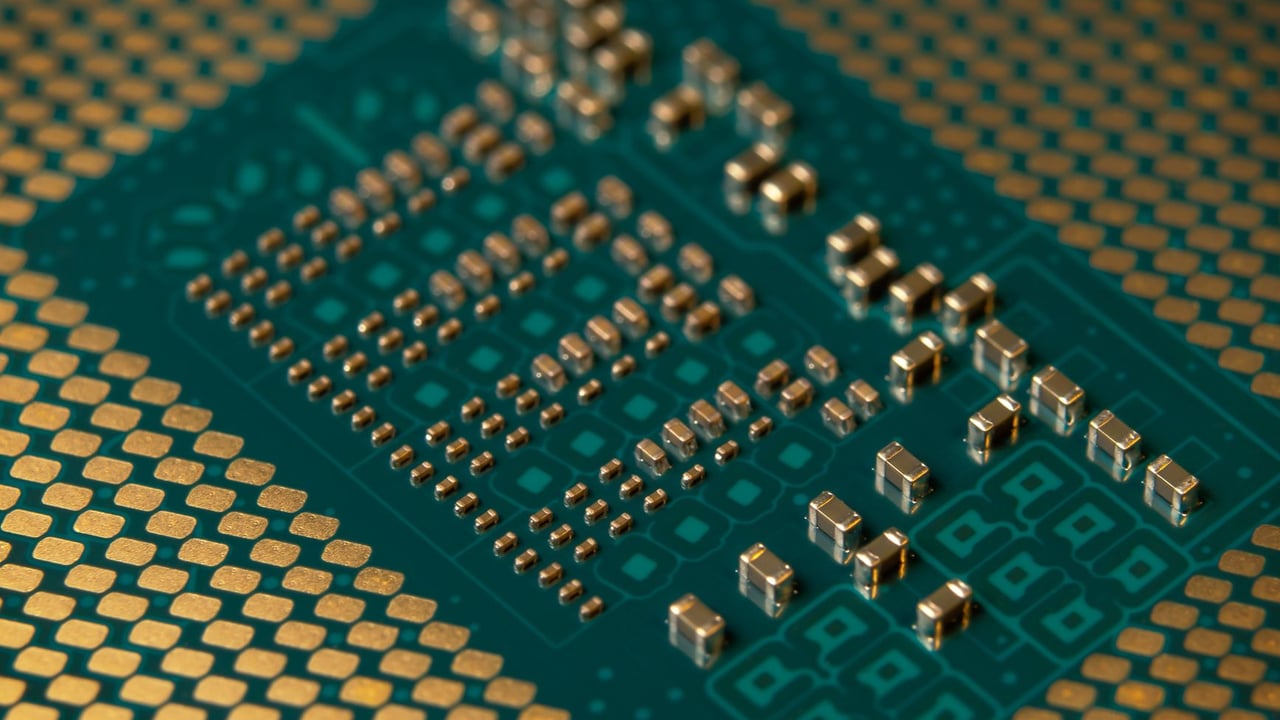
Photo by ed br on Pexels
The Brief
DRAM maker ChangXin Technology debuted on Shanghai's STAR Market on July 27, 2026, rising 465.82% on its first day and pushing its valuation past 3.28 trillion yuan. Following media reports attributing over 700 million yuan in floating gains to Xiaomi Founder Lei Jun, Xiaomi executive Xu Jieyun clarified that the strategic placement was a corporate transaction through a subsidiary and should not be conflated with personal wealth. Major investors including Alibaba, NIO, and eight commercial banks also posted significant paper gains.
Why it matters
The public debate over investment gains underscores the growing convergence between Chinese tech giants and domestic semiconductor suppliers. As hardware makers seek to secure critical DRAM supply chains, strategic corporate allocations are creating substantial paper returns while raising questions over how corporate capital deployed in national industrial priorities is perceived.
China context
ChangXin Technology is a leading domestic DRAM manufacturer operating 12-inch wafer fabs in Hefei and Beijing. Against the backdrop of domestic semiconductor substitution and supply chain resilience initiatives, ChangXin has attracted capital from state funds, major commercial banks, consumer tech giants, and electric vehicle makers seeking guaranteed component access.
Editor's View
EDITOR'S VIEW — Analysis and inference, not factual reporting.
The enthusiasm surrounding ChangXin's listing reflects market appetite for key players in China's domestic chip supply chain. However, Xu Jieyun's distinction between corporate capital and personal wealth highlights the nuanced public relations reality for high-profile tech founders. While strategic investments yield financial paper gains, their primary function for companies like Xiaomi and NIO remains long-term supply security rather than short-term trading profit.
What to watch
- Long-term stock performance and lockup expiration outcomes for strategic investors including NIO and Xiaomi subsidiaries.
- Progress on commercial component integration and DRAM supply agreements between ChangXin and its strategic corporate shareholders.
- Ramp-up of manufacturing capacity at ChangXin's 12-inch wafer facilities in Hefei and Beijing.
Key Takeaways
- 1ChangXin Technology surged 465.82% on its Shanghai STAR Market debut, pushing its market capitalization above 3.28 trillion yuan.
- 2Xiaomi subsidiary Wuhan 1810 received 18.2448 million shares in the strategic placement, prompting reports of over 700 million yuan in floating gains for Lei Jun.
- 3Xiaomi executive Xu Jieyun clarified that the equity purchase was a corporate investment that should not be conflated with personal wealth.
- 4Other corporate backers, including Alibaba and NIO, along with eight commercial banks, recorded substantial paper gains.
Following the public debut of Chinese DRAM maker ChangXin Technology on Shanghai's STAR Market on July 27, 2026, media calculations regarding floating gains for prominent corporate backers sparked public discussion. A Xiaomi executive subsequently clarified that strategic equity allocations represent corporate investments rather than personal wealth.
ChangXin Technology listed at an offer price of 8.66 yuan per share and ended its first trading day up 465.82%, driving its market capitalization past 3.28 trillion yuan. The company logged single-day turnover of 141.187 billion yuan, setting multiple market records for Shanghai's tech board. On July 28, the stock opened at 45.22 yuan and traded near 48.72 yuan, bringing its market value to approximately 3.26 trillion yuan.
The surge generated substantial paper profits for strategic investors. Wuhan 1810 Enterprise Management Co., Ltd., a wholly owned unit of Xiaomi Technology Co., Ltd., received 18.2448 million shares through strategic placement for an initial commitment of roughly 158 million yuan. Because Xiaomi Founder Lei Jun holds a 97.48% stake in Xiaomi Technology, reports calculated his indirect floating gain at approximately 717 million yuan.
Addressing the reports on July 28, Xu Jieyun, special assistant to Xiaomi’s chairman and deputy general manager of strategic marketing, cautioned against equating corporate holdings with personal fortunes. Xu stated that the placement was a corporate investment and that subsidiary entities cannot be conflated with personal wealth, while extending renewed congratulations to ChangXin.
Xiaomi was not the only corporate or institutional investor seeing major paper returns. Strategic filings show that Alibaba Group invested roughly 7.6 billion yuan across two entities to acquire a near-5% stake prior to the listing, with its holdings valued at over 170 billion yuan based on first-day closing prices. Electric vehicle manufacturer NIO allocated approximately 158 million yuan for 18.2448 million shares with an 18-month lockup period, registering floating gains of around 740 million yuan. NIO Chairman William Li noted that cooperation with ChangXin contributes to supply chain stability. Additionally, eight major banking institutions that took pre-IPO positions saw combined floating profits estimated at 124.2 billion yuan on the first day.
Sources
- 小米徐洁云回应雷军打新长鑫科技赚7亿 — NetEase · 7/28/2026
- 阿里押注长鑫 76 亿搏出近 1700 亿,小米雷军打新长鑫浮盈 7 亿 — IT Home · 7/28/2026
- 网传“雷军打新长鑫科技狂赚 7 亿”,小米董事长特别助理徐洁云回应“看个乐呵别当真” — IT Home · 7/28/2026
- 雷军打新长鑫科技一天狂赚7亿?小米高管回应 — Jiemian News · 7/28/2026