
Daily BriefAnalysis
Chinese Polar Research Vessel Xue Long Completes Arctic Ice Station Missions
China's 16th Arctic expedition sets a record with 12 short-term ice stations north of 82 degrees latitude, deploying over 30 monitoring instruments.
Share
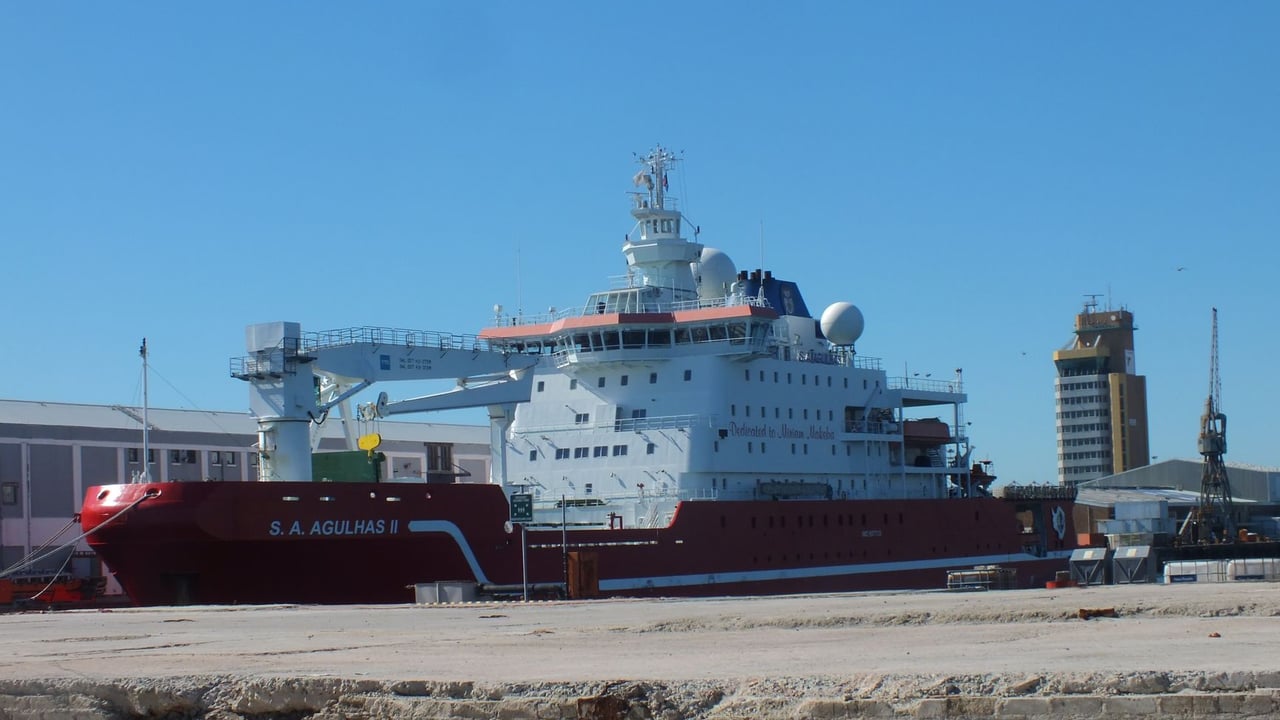
Photo by Martin Tanyaradzwa on Pexels
The Brief
The Chinese polar icebreaker Xue Long has concluded its ice station survey tasks during China's 16th Arctic expedition, according to the Ministry of Natural Resources. Running across 14 days from late July to August 7, the vessel completed 12 short-term ice stations—all located north of 82 degrees north latitude—doubling the traditional single-vessel ice station workload. Scientific teams deployed over 30 sets of ice-based monitoring buoys and conducted multi-disciplinary observations to support climate forecasting and oceanographic research.
Why it matters
The deployment of networked observational equipment and more than 30 automated buoys provides long-term in-situ data on the coupled atmosphere-ice-ocean system. These observations are critical for understanding the drivers of rapid Arctic sea-ice loss and refining mid-to-long-term climate modeling.
China context
Organized by China's Ministry of Natural Resources, the expedition reflects the ongoing expansion of China's polar research program toward high-latitude multi-ship coordination and continuous unmanned monitoring arrays.
Editor's View
EDITOR'S VIEW — Analysis and inference, not factual reporting.
Operating 12 stations at or above 82 degrees north latitude reflects both improved logistics and a strategic shift toward establishing durable, unmanned observing networks rather than relying solely on temporary surface sampling. The deliberate selection of thicker ice floes in higher latitudes is designed to keep automated stations functioning through the summer melt season. How effectively these instruments transmit data over extended periods will be an important metric for China's Arctic environmental monitoring capabilities.
What to watch
- Progress and completion of approximately seven additional ice station surveys planned by the icebreaker Xue Long 2.
- The survival rate and continuous operational performance of the deployed ice-based buoy network throughout the summer melt season.
- Subsequent integration of the Arctic observation data into regional and global climate models.
Key Takeaways
- 1Xue Long completed 12 short-term ice stations north of 82°N over a 14-day window concluding August 7.
- 2The 12-station count doubles the standard six-station profile of typical single-vessel Chinese Arctic expeditions.
- 3More than 30 sets of ice-based observing devices, including mass balance and profiling buoys, were deployed.
- 4Research covered atmospheric boundary layer dynamics, sea-ice physics, and sub-ice ocean and ecosystem processes.
- 5The sister icebreaker Xue Long 2 is scheduled to establish approximately seven additional ice stations.
The Chinese polar research icebreaker Xue Long has concluded its ice station survey operations during China's 16th Arctic scientific expedition, according to an announcement from the Ministry of Natural Resources reported by state media.
The vessel's ice station operations began on July 25 and spanned 14 days, wrapping up on August 7. Over this period, the expedition team completed 12 short-term ice station operations, marking the highest number of ice stations established in any of China's Arctic expeditions to date. Standard single-vessel Arctic expeditions typically set up around six ice stations to collect environmental baseline data and deploy sensors.
All 12 ice stations were situated north of 82 degrees north latitude. Expedition planners selected higher latitudes with thicker sea ice to ensure that automated surface monitoring devices could remain anchored and functional throughout the summer melting cycle. In response to heavier ice conditions encountered on site, the team shifted the operational schedule to late July.
During the mission, scientific teams deployed more than 30 sets of specialized monitoring instruments, including sea-ice mass balance buoys and ice-tethered profiling systems. The teams also carried out multidisciplinary observations covering the atmospheric boundary layer, sea-ice physics, sub-ice marine ecology, and sub-ice oceanography.
These operations established a multi-point networked observation array intended to track the evolution of the coupled atmosphere-sea-ice-ocean system under rapid Arctic climate change. Data collected from the stations will be used to enhance the accuracy of weather and climate prediction models.
According to the expedition plan, China's second polar icebreaker, Xue Long 2, will conduct roughly seven additional ice station operations to expand observational coverage across the survey region.
Sources
- 第16次北冰洋考察队“雪龙”号完成冰站调查--经济·科技--人民网 — People's Daily · 8/13/2026