
Policy & RegulationAnalysis
Zhejiang Lays Out Five-Year Roadmap for High-Level Open Economy
China's coastal powerhouse outlines strategic opening-up priorities, targeting cross-border resource allocation and institutional reform.
Share
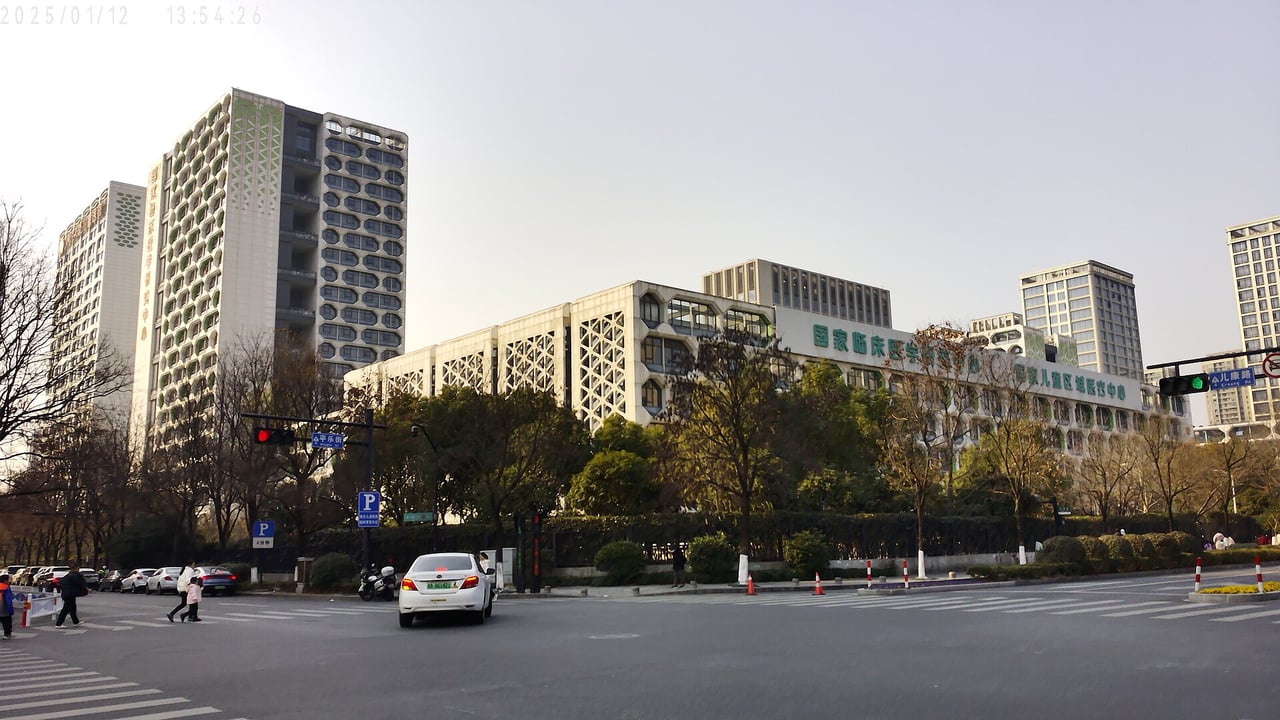
Huandy618 via Wikimedia Commons, CC0
The Brief
Zhejiang province has drafted a five-year roadmap aimed at building a high-level open province, according to a report by China News Service. The strategic framework is designed to steer regional policy over the next five to ten years, focusing on foreign investment attraction, global resource allocation, foreign trade modernization, and institutional regulatory reforms. As China prepares for its next five-year planning cycle, the coastal economic hub is positioning itself to consolidate its role in international supply chains, though detailed sector-specific implementation measures remain to be fully unveiled.
Why it matters
The roadmap establishes the top-level design and phased targets for Zhejiang's high-level opening over the next five to ten years. This initiative directly impacts provincial policy directions in attracting foreign investment, allocating cross-border resources, innovating foreign trade practices, and reforming regulations governing international business operations.
China context
Amid China's nationwide push to expand institutional opening-up and build a dual circulation development pattern, major coastal provinces like Zhejiang are taking proactive steps ahead of the 15th Five-Year Plan period. By mapping out long-term opening strategies, regional authorities seek to reinforce Zhejiang's position as a vital node in global industrial and supply chains while testing broader institutional breakthroughs.
Editor's View
EDITOR'S VIEW — Analysis and inference, not factual reporting.
Zhejiang has long served as a bellwether for China's private sector vitality and export-oriented growth. Laying out a strategic five-year roadmap signals an evolution from basic export-driven expansion toward institutional opening-up and higher-tier resource integration. However, the effectiveness of this blueprint will depend on how provincial policymakers balance domestic regulatory objectives with international market standards, particularly in cross-border data flows, maritime logistics hub upgrades, and foreign investment protections. Global businesses should monitor the eventual publication of operational guidelines to assess concrete regulatory adjustments.
What to watch
- The full release of Zhejiang's 15th Five-Year Plan for high-level opening and its corresponding sector-specific action programs.
- Refined strategic positioning and policy support for core platforms, including the Zhejiang Pilot Free Trade Zone and major maritime logistics hubs.
- Implementation measures governing cross-border investment, service trade facilitation, and regulatory alignment with high-standard international economic and trade rules.
Key Takeaways
- 1Zhejiang province has formulated a five-year roadmap to accelerate its development into a high-level open province, reported China News Service.
- 2The blueprint provides top-level strategic guidance covering foreign investment, cross-border resource allocation, and trade innovation.
- 3The effort aligns with national priorities focusing on institutional opening-up and preparations for the 15th Five-Year Plan period.
- 4Operational details, specific metrics, and sectoral action programs have yet to be disclosed in full.
Authorities in Zhejiang province have drawn up a five-year strategic roadmap aimed at transforming the coastal province into a high-level open economic hub, according to a report by state-run China News Service. The blueprint outlines the province's developmental trajectory for external engagement, positioning the region to enhance its integration with global markets.
As one of China's primary economic and foreign trade engines, Zhejiang plays a critical role in national trade flows, private entrepreneurship, and maritime logistics. The newly formulated roadmap sets out top-level planning and phased objectives designed to guide local policymaking over the upcoming five-year planning horizon and beyond. Key focus areas highlighted in preliminary policy outlines include expanding foreign investment inflows, optimizing the allocation of cross-border resources, fostering innovative models in foreign trade, and advancing systemic reforms in the region's foreign-related business environment.
The initiative emerges against the backdrop of China's broader national strategy to advance institutional opening-up, shifting beyond traditional tariff reductions toward aligning domestic rules, regulations, management standards, and operational norms with high-standard international practices. Coastal provincial authorities are progressively aligning their local economic targets with the country's forthcoming 15th Five-Year Plan framework, seeking to consolidate their standing as critical hubs within global industrial and supply chains.
Zhejiang's opening-up agenda is expected to place significant emphasis on its existing strategic platforms. These platforms encompass the Zhejiang Pilot Free Trade Zone, Ningbo-Zhoushan Port—one of the world's busiest container and cargo complexes—and regional cross-border e-commerce pilot zones. The provincial blueprint is anticipated to detail how these hubs will upgrade their functional capacities, enhance transport and logistics connectivity, and experiment with trade facilitation measures.
Nonetheless, comprehensive details regarding specific numerical targets, funding allocations, and operational implementation timelines remain limited in initial reports. The ultimate impact of the five-year roadmap will depend on the concrete policy measures detailed in subsequent sectoral guidelines. Market participants, multinational enterprises, and trade partners will be watching closely for the full publication of the provincial plan to evaluate its practical implications for foreign business operations, cross-border digital trade, and regulatory transparency in eastern China.
Sources
- 锚定建设高能级开放强省 浙江绘就五年“路线图” — China News Service · 8/21/2026