
# AI
Latest news and articles about AI
Total: 200 articles found

Chongqing’s Digital Gambit: 100,000-Petaflop Ambition Anchors China’s Western AI Hub
Chongqing has launched a strategic action plan to achieve 100,000 PFLOPS of intelligent computing capacity by 2030, aiming to lead Western China's AI development. The initiative focuses on vertical large language models and regional synergy with Sichuan to build a self-sustaining digital ecosystem.
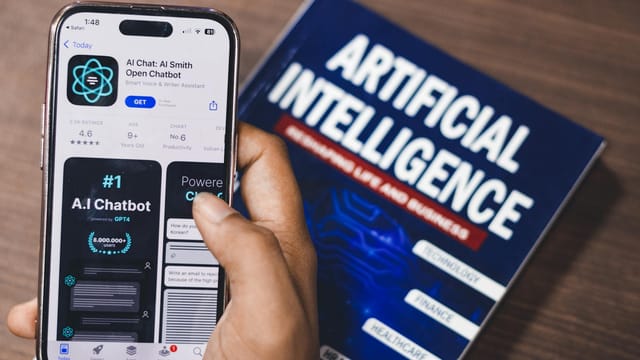
Apple Intelligence and the Generative Pivot: Reimagining the Future of Mobile Photography
Apple is set to launch a major AI-driven overhaul of its photo editing capabilities across its entire device lineup. Utilizing its "Apple Intelligence" platform, the new tools will offer generative features like image extension and recomposition, emphasizing on-device privacy and high-speed processing.
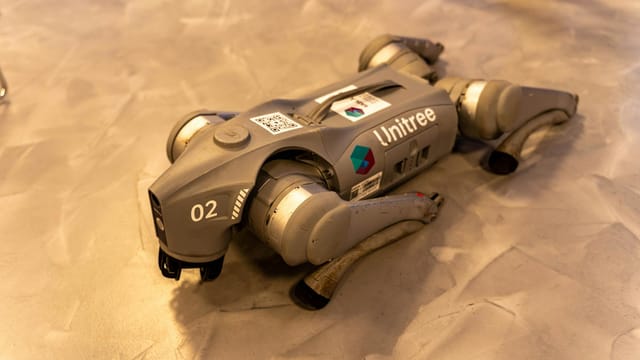
China’s Humanoid Robots Outrun the Hype as Industrial Scale Beckons
Chinese humanoid robotics has reached a tipping point, moving from experimental prototypes to mass-production readiness. Record-breaking athletic performances and ambitious revenue targets from leaders like Agibot suggest the industry is leveraging China's mature hardware supply chain to dominate the next era of physical AI.
Beijing Asserts Sovereignty Over AI Talent: The Strategic Blocking of Meta’s $2 Billion Acquisition
The Chinese government has blocked Meta's $2 billion acquisition of the AI startup Manus, marking a major escalation in tech protectionism. Regulators ruled that the company's attempt to re-domicile in Singapore did not exempt its core intellectual property from Chinese national security oversight.
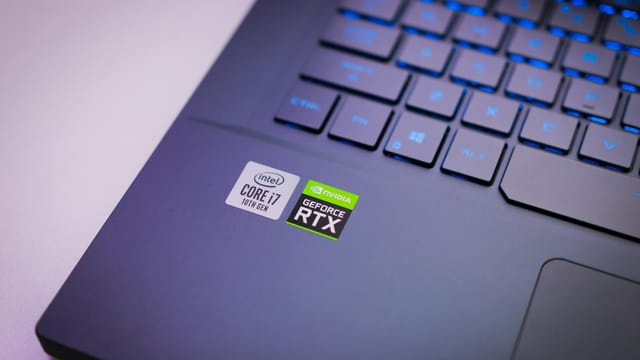
Silicon Valuations and Shifting Sands: Tech Dominance and Geopolitics Drive Markets to Record Peaks
Wall Street hit record highs as potential US-Iran peace talks coincided with Nvidia surpassing a $5 trillion valuation. While Intel and AI hardware stocks led a massive tech rally, the market also adjusted to news of Google's $40 billion Anthropic investment and a cleared path for the Federal Reserve's leadership transition.
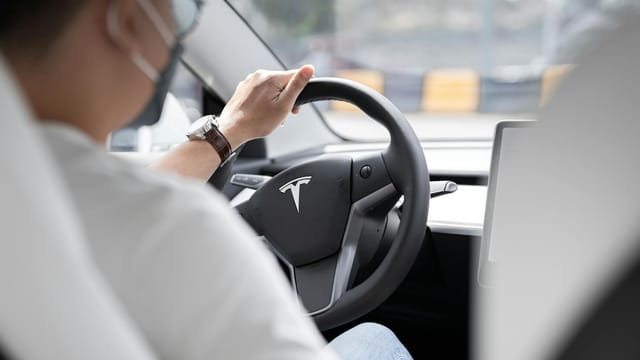
XPeng’s Global Gambit: China’s EV Upstart Eyes Factories in Europe and Latin America by 2026
XPeng is seeking to establish manufacturing hubs in Europe, SE Asia, and Latin America by 2026 to meet surging demand and bypass export limitations. The company is also intensifying its technology licensing and AI mobility projects to secure long-term profitability.
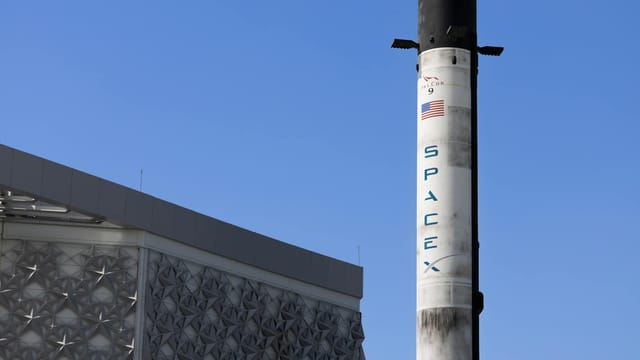
SpaceX’s $60 Billion AI Gambit: Engineering the World’s Most Ambitious IPO
SpaceX has secured an option to acquire AI coding startup Cursor for $60 billion, a move designed to bolster its technological ecosystem ahead of a projected $2 trillion IPO in 2026. The deal integrates Cursor’s software expertise with SpaceX’s massive Colossus supercomputer to accelerate aerospace engineering.

The Mythos Protocol: Washington Races to Harness Anthropic’s ‘Too Dangerous’ AI
The White House is fast-tracking the internal deployment of Anthropic’s unreleased 'Mythos' AI model to bolster national cybersecurity. Despite its designation as a supply-chain threat, the model's extreme offensive and defensive capabilities have prompted emergency briefings for both cabinet officials and Wall Street leaders.

Old Guard Yields to Green Giants: CATL Surpasses PetroChina in A-Share Milestone
Chinese markets saw a historic shift as battery giant CATL overtook PetroChina in market value, signaling the dominance of green technology over traditional energy. The opening gains were supported by a surge in the film and battery sectors, alongside optimistic forecasts for AI-driven hardware demand and a potential de-escalation in Middle Eastern tensions.

The L3 Trap: Why Xpeng is Betting on a Direct Leap to Full Autonomy
Xpeng Motors CEO He Xiaopeng has reaffirmed the company's strategy to bypass Level 3 autonomous driving, moving directly from Level 2 to Level 4. The move aims to eliminate the safety risks associated with human-to-machine handovers and positions Xpeng's new GX model as a primary contender in the emerging Robotaxi market.
Samsung’s Dynastic Tax Bill Settled: Jay Y. Lee Bets $84 Billion on an AI Rebirth
The Lee family has completed the payment of a historic $9 billion inheritance tax, allowing Jay Y. Lee to solidify his control and launch a massive $84 billion investment plan. Samsung is now pivoting aggressively toward AI-centric semiconductors and hybrid manufacturing to challenge industry leaders like TSMC and NVIDIA.

Honor’s Strategic Pivot: New 'WIN' Gaming Laptop to Challenge Hardware Heavyweights
Honor has announced a dedicated 'WIN' gaming laptop to be released on April 23, marking a major expansion into high-performance hardware. The move is supported by a strategic partnership with JD.com to integrate AI and data-driven manufacturing into the new device lineup.