
# BYD
Latest news and articles about BYD
Total: 107 articles found
Fortress Europe: Why Brussels is Expanding its Trade War to Chinese Hybrids
The European Commission is preparing to extend its anti-subsidy duties from Chinese battery electric vehicles to plug-in hybrids, targeting major players like BYD and SAIC. This move, coupled with proposed legislation to mandate supply chain 'de-risking,' signals a significant escalation in the EU's efforts to curb its massive trade deficit with China and protect its domestic automotive sector.
The Humanoid Pivot: Why China’s EV Giants Are Betting on Embodied AI
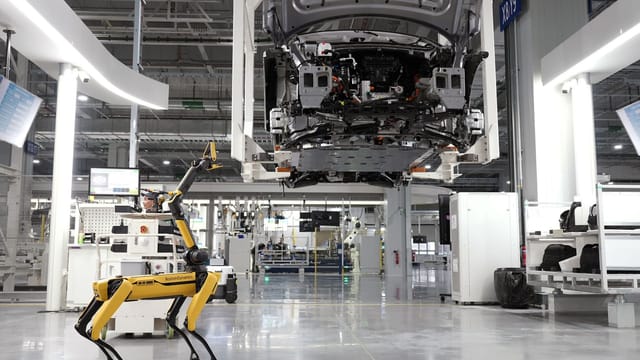
Chinese automakers like XPeng and BYD are pivoting toward humanoid robots, leveraging a 70% technical overlap with electric vehicle technology. While the industry faces high costs and complex engineering challenges, firms are racing to commercialize 'embodied AI' as a multi-trillion dollar successor to the smart car market.
Wang Chuanfu’s Long Game: Can China’s EV Giant Outrun a Domestic Slump?
BYD Chairman Wang Chuanfu faces investor backlash following a sharp decline in stock price and first-quarter profits. Despite domestic headwinds, Wang maintains a bold five-year plan to achieve global dominance through localized production and technological innovation.
From Shenzhen to the Summit: BYD’s Audacious Bid for Global Auto Supremacy
BYD Chairman Wang Chuanfu has announced a strategic goal to become the world's largest automaker by 2030. The plan relies on a recovery in domestic demand, a shift toward high-margin premium models, and the establishment of global manufacturing hubs in Europe, Asia, and South America.

Geopolitical Crossfire and Global Ambitions: China’s EV Giants Confront Washington’s 'Military' Labeling
BYD and NIO are challenging their inclusion on a U.S. Department of Defense list of military-linked firms while simultaneously accelerating their global expansion. As BYD targets the top spot in global sales and pushes into Mexico, the domestic Chinese market is facing growing pains regarding intellectual property and original design innovation.

BYD Rebuts Rumors of 20,000-Unit Humanoid Robot Army as Industrial Automation Race Heats Up
BYD has officially dismissed reports claiming it is developing a secret humanoid robot project codenamed 'Yao Shun Yu' for massive internal deployment by 2026. Despite the denial, the rumor underscores the growing expectation that EV giants will lead the next wave of industrial automation and AI-driven robotics.

China’s Humanoid Robot Revolution: The Era of the $1,400 Automaton
China’s humanoid robot industry has hit a massive price floor in 2026, with consumer models now retailing for under $1,400. Driven by supply chain synergies with the EV sector and aggressive localization, companies like Unitree and BYD are transitioning these machines from luxury prototypes to mass-market commodities.
From Exporters to Insiders: China’s EV Giants Build a Fortress of Overseas Factories
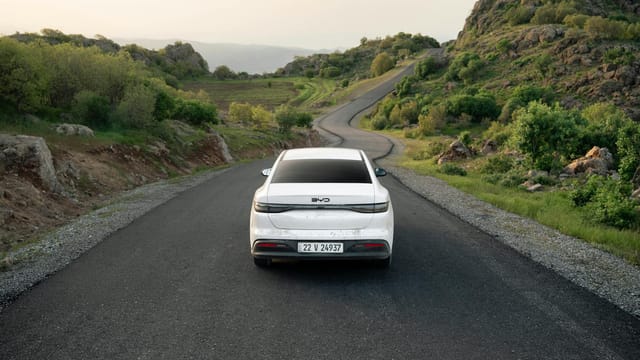
Chinese EV manufacturers are aggressively acquiring overseas factories to bypass international tariffs and localize production. Following successful models in Thailand and Brazil, companies like Xpeng and BYD are transitioning from simple exporters to global manufacturers, aiming to secure a permanent foothold in the world's most competitive markets.
The New Armada: China’s Strategic Pivot to Global Auto Manufacturing
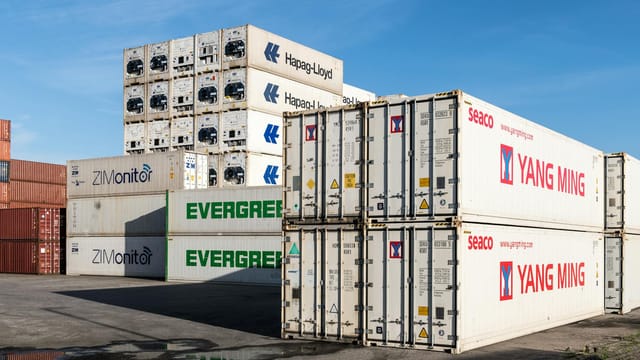
Chinese automakers are shifting from vehicle exports to localized manufacturing by acquiring shuttered legacy factories worldwide. While this strategy bypasses tariffs and shortens supply chains, it faces massive risks including low capacity utilization, labor friction, and the high cost of retooling outdated facilities.
BYD’s Great Leap Inward: Chasing the Intelligence Crown with Custom Silicon
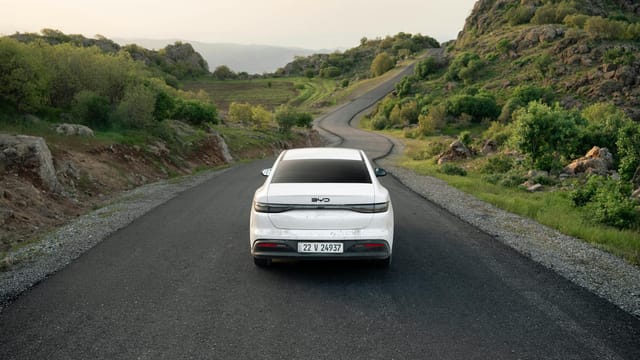
BYD has launched an aggressive new strategy to bridge its intelligence gap, centering on a self-developed 4nm chip and the democratization of high-level autonomous driving features. By offering to assume liability for accidents and bringing advanced sensors to budget models, the automaker aims to leverage its massive scale to dominate the software-driven second half of the EV race.
China’s EV Market Enters the Era of 'Democratized Intelligence': High-End Tech Hits the Mass Market
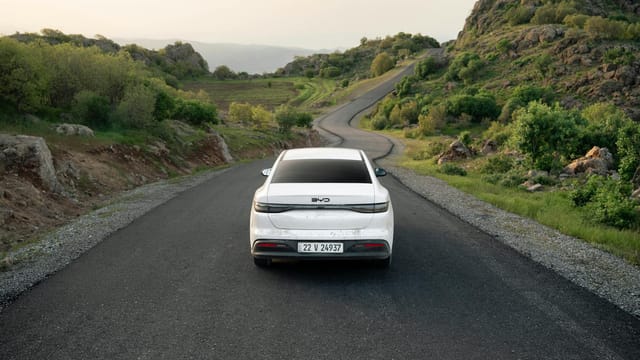
China's leading automakers are aggressively pushing premium features like LiDAR, city-level autonomous driving, and 900-horsepower engines into the 100,000 to 200,000 RMB price bracket, significantly lowering the barrier for advanced vehicle technology.

BYD’s Liability Gamble: A Strategic Pivot to High-Stakes Autonomy
BYD has launched an industry-first safety guarantee for its city navigation pilot, assuming full liability for accidents to build consumer trust. Alongside this, the company debuted its self-developed 4nm Xuanji A3 chip and aggressive pricing for high-level autonomous features across its entire lineup.