
# China consumption
Latest news and articles about China consumption
Total: 16 articles found
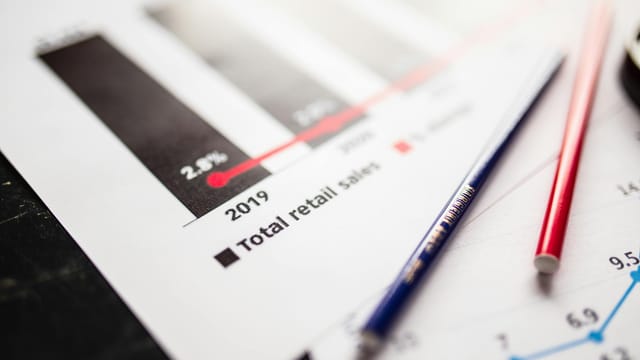
China’s Early‑Year Retail Recovery Is Uneven: Online and Dining Lead, Brand Stores and Autos Lag
China’s January–February retail sales rose 2.8% year‑on‑year to ¥86,079 billion, with online retail and catering leading gains while brand specialty stores and autos lag. The data show an uneven consumption recovery concentrated in necessities, supermarkets and digital channels, posing both opportunities and limits for China’s domestic‑demand strategy.

China’s Livestreaming Boom Deflates: From Hangzhou’s Tower of Stars to a Nation-wide Reset
China’s livestreaming industry is undergoing a broad correction: rents and anchor incomes have plunged in hubs like Hangzhou even as the national ecosystem remains large. Oversupply, weaker consumer spending, rising complaints and tighter regulation are forcing a shift from spectacle-driven growth to a trust‑and‑quality‑focused model.
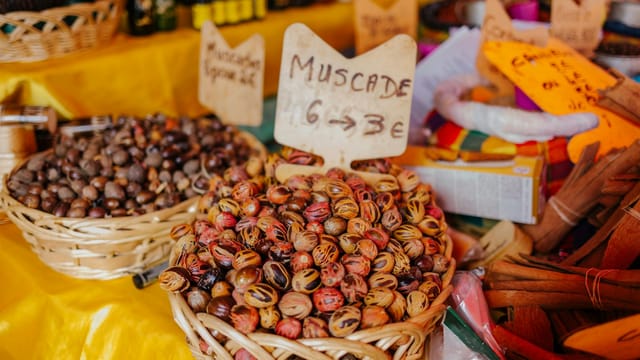
China’s Post-Holiday Consumption Shift: How Experience, County Markets and Cultural Scenes Are Reshaping Demand
China’s 2026 Spring Festival produced record travel and spending but revealed a structural shift in consumption: lower-tier and county destinations are benefiting from urban-born expectations for curated experiences, while consumers prefer denser, scene-driven cultural and sporting offerings over routine goods purchases. The new battleground for growth is delivering high-quality, place-based experiences that combine cultural meaning, social belonging and commercial value.
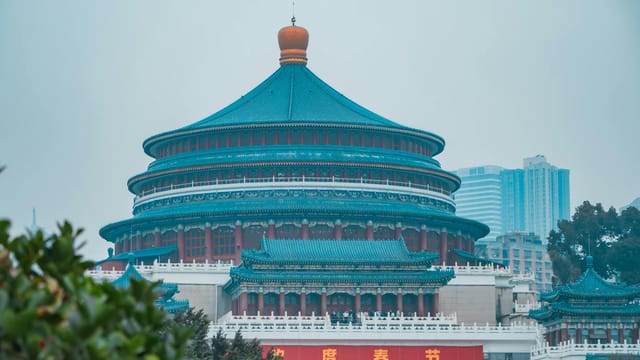
Inland Rise and Coastal Pause: How Jiangsu and Chongqing Rewrote China’s 2025 Consumption Map
Jiangsu surpassed Guangdong to become China’s largest provincial retail market in 2025, while Chongqing overtook Shanghai as the country’s top retail city. The data show stronger consumption growth in central and western provinces driven by targeted subsidies, tourism and night‑time economy initiatives, while first‑tier cities such as Beijing face structural headwinds.

Beijing Pumps Rmb62.5bn into Spring Festival Stimulus, Turning Smart Gadgets Into This Year’s Must‑Buy
China has launched a Rmb62.5 billion Spring Festival subsidy program that prioritises trade‑ins for affordable smart devices, offering consumers 15% rebates up to Rmb500 on phones, tablets and wearables priced under Rmb6,000. The measures aim to stimulate near‑term spending while accelerating mass adoption of connected hardware, benefiting mid‑range manufacturers and related supply chains.

China’s County Towns Are Spending Like Cities — and Charging Like Them Too
County-level Chinese towns are exhibiting a paradox of rising prices in some categories alongside ongoing discounts in others, driven by income gains, lower housing pressure and a bifurcated consumer appetite for both value and upgraded goods. The trend creates opportunities for brands but also exposes risks from distribution costs and uneven development.

China Boots Up Spring Festival Trade‑In Subsidies to Prime Consumer Demand
China’s Ministry of Commerce has ordered robust implementation of trade‑in subsidies for appliances, electronics and automobiles during the nine‑day 2026 Spring Festival holiday, prioritising offline channels and rural participation. The policy is a targeted consumption stimulus designed to boost holiday spending, support physical retailers and protect subsidy integrity through upgraded information systems and anti‑fraud measures.
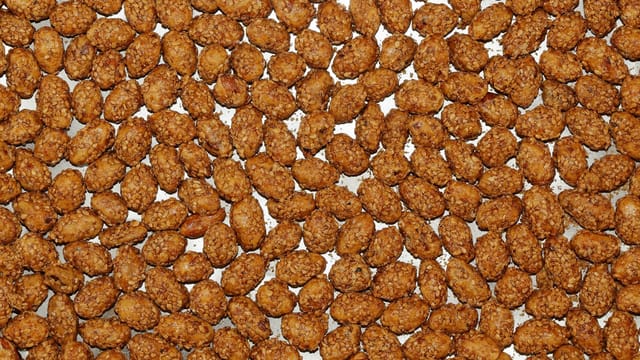
From Sunflower Seeds to Status Symbols: China’s Roasted‑Nut Shops Go Luxury — and Risk a Backlash
China’s traditional roasted‑nut and dried‑fruit shops have been transformed into premium retail experiences with polished stores, viral products and hefty price tags, led by brands such as Xueji. The sector’s growth is driven by packaging, product innovation and digital marketing, but rising prices and perceived homogeneity risk a consumer backlash even as market size continues to expand.
Moutai’s Price Rollercoaster: Scarcity Spurs Volatility as China’s Baijiu Market Splits
Feitian Moutai is experiencing renewed scarcity and sharp price moves ahead of China’s spring festival, even as other premium baijiu brands show relative price stability. Online sales at promotional prices are heavily contested but have not significantly displaced offline demand, and producers are shifting to non‑price promotions to stimulate consumption.
Maotai's Rally Reignites Talk of a Baijiu Bottom — But Seasonal Bounce or Structural Turn?
Kweichow Moutai’s shares and wholesale prices have both climbed in early February, rekindling speculation that China’s premium baijiu sector may be emerging from a multiyear trough. The move is supported by stronger seasonal demand, Moutai’s digital sales channel and modestly improved policy sentiment, but significant structural headwinds and divergent analyst valuations counsel caution.

Coastal Giants Still Spend Most as Inland Provinces Drive China’s 2025 Retail Surge
In 2025 Jiangsu, Guangdong and Shandong were China’s largest retail markets, each topping four trillion yuan in social retail sales, while inland provinces Shaanxi, Hebei and Henan posted the fastest growth. The patterns reflect structural differences in population, urbanisation and targeted subsidy policies, with implications for China’s domestic demand strategy and foreign firms seeking Chinese market opportunities.
Maotai’s Pre‑New Year Rollercoaster: Prices Spike Then Slide, Leaving Traders Exposed
Maotai prices swung sharply around the Lunar New Year, with single‑bottle quotes briefly rising to about ¥1,830 before retreating to ¥1,740–¥1,780. Wholesale boxed vintages saw modest declines while single‑bottle retail prices remained comparatively stable, underscoring festival demand and speculative trading pressures that strain small merchants.