
# Energy%20Crisis
Latest news and articles about Energy%20Crisis
Total: 28 articles found
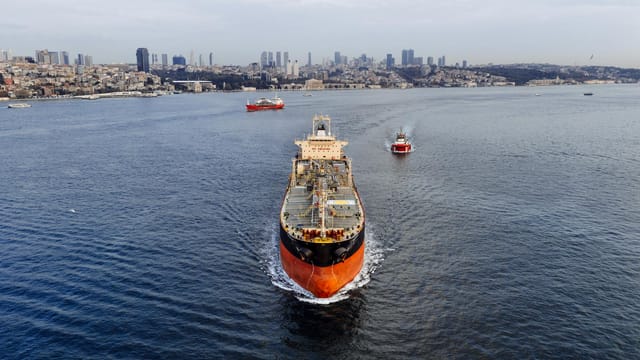
Brinkmanship at the Chokepoint: The Strait of Hormuz Becomes a Global Game of Chicken
Iran has threatened to close the Strait of Hormuz until US blockades are lifted, sparking a naval standoff and reports of attacks on commercial vessels. While President Trump dismisses the move as blackmail, a massive US carrier build-up and secretive negotiations in Pakistan highlight the volatility of the situation.
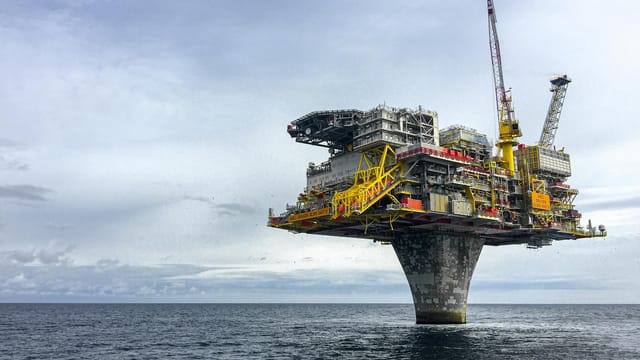
The Volatility Nexus: Why Bitcoin and Crude are Surging Amid Rising Geopolitical Friction
A simultaneous surge in Bitcoin and crude oil prices has triggered massive market liquidations and heightened inflation fears. With U.S. energy costs rising at historic rates and tensions in the Middle East escalating, investors are bracing for a prolonged period of high interest rates and geopolitical instability.
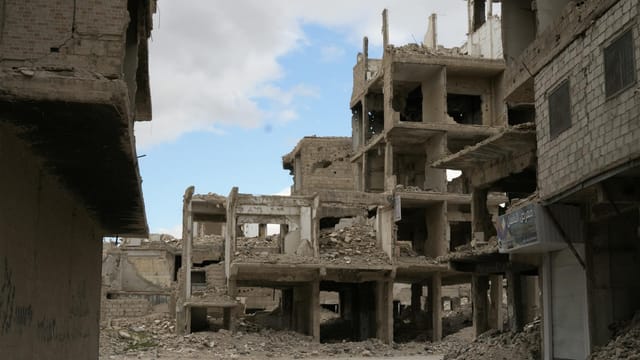
Beyond the Breach: The Fragile Geometry of the US-Iran Ceasefire
The US and Iran have agreed to a 14-day ceasefire following a 40-day conflict that triggered a global energy crisis surpassing historical benchmarks. While the truce offers temporary relief, the shift toward targeting strategic economic infrastructure has fundamentally altered Middle Eastern security dynamics.

The Hormuz Mirage: Why Trump’s Iranian Gamble is Unraveling
A 40-day military campaign against Iran has left the Trump administration in a strategic deadlock, facing unexpected Iranian resilience, a crippling maritime blockade, and plummeting domestic support ahead of the 2026 midterms.

The Great Displacement: Chinese Automakers Overtake Japan in Australia’s Key Battleground
In February 2026, Chinese automakers officially surpassed Japanese brands in Australian sales, ending 28 years of Japanese market dominance. Driven by high-spec value pricing, localized utility models like the BYD Shark 6, and a global energy crisis that sent local fuel prices soaring, China has established itself as the new leader in the Australian automotive market.

Trump’s Hormuz Ultimatum: Global Energy Markets Braced for an Iranian Escalation
President Trump has issued a high-stakes ultimatum to Iran, threatening to strike civilian infrastructure if the Strait of Hormuz is not reopened. The move has sent Brent crude over $110 per barrel and stoked fears of a global energy crisis, even as strong U.S. labor data complicates potential Federal Reserve interventions.

Stranded at the Strait: The Human Toll of the Persian Gulf Naval Blockade
The closure of the Strait of Hormuz has left 20,000 seafarers and 2,000 ships stranded in the Persian Gulf, facing severe supply shortages and military threats. This humanitarian and logistical crisis highlights the extreme vulnerability of global energy supply chains to regional naval blockades.

Hormuz in Haze: A Global Energy Emergency Triggers 1970s-Style Conservatism
Global governments are implementing emergency measures, including strategic reserve releases and mandatory remote work, as Middle East tensions disrupt the Strait of Hormuz. These actions signal a return to state-managed energy conservation to mitigate a looming international supply crisis.

Thirty Days in the Abyss: The High Cost of the New Middle East Conflagration
A month of intense conflict in the Middle East has led to the death of Iran's top leadership, massive global economic disruptions, and a nearly $60 billion price tag for the U.S. military. The closure of the Strait of Hormuz has triggered an energy crisis exceeding the 1970s shocks, threatening global economic stability and fueling domestic political backlash in the United States.

The Fragile Frontier: How Middle East Conflict is Resurrecting Europe’s Stagflation Fears
Eurozone finance ministers have warned of rising stagflation risks as Middle East tensions drive Brent crude oil above $100 per barrel and disrupt vital shipping lanes. With potential GDP growth losses of 0.6% projected through 2027, Europe faces a mounting economic crisis characterized by high inflation and slowing industrial momentum.

Crisis and Choice: Geopolitical Turmoil and the Global Pivot to Chinese Green Tech
At the 2026 Boao Forum, former leaders of New Zealand and Slovenia warned that Middle East conflicts and AI-driven energy demand are making Chinese green technology essential. They advocate for deeper cooperation with China's EV and solar sectors to ensure global energy security and economic resilience.

Choke Point: How the Hormuz Conflict is Paralyzing Global Energy Markets
A military conflict involving the U.S., Israel, and Iran has disrupted the Strait of Hormuz, triggering a global fuel crisis. Emerging economies across Asia, Africa, and South America are facing severe shortages and rationing as international oil prices soar.