
# Foreign%20Policy
Latest news and articles about Foreign%20Policy
Total: 25 articles found

Senior Chinese Leaders Meet Uzbekistan Presidential Administration Head
Beijing talks with Saida Mirziyoyeva highlight mutual support on core interests and plans to expand bilateral cooperation.

China and India Hold 25th Boundary Talks in Beijing to Stabilize Ties
Wang Yi and Ajit Doval reaffirmed dialogue mechanisms and agreed to seek a mutually acceptable border settlement following high-level leader consensus.
Chinese Vice President Han Zheng Meets Kuwaiti Foreign Minister in Beijing
The meeting marked the 55th anniversary of diplomatic ties, focusing on strategic partnership and Middle East peace efforts.
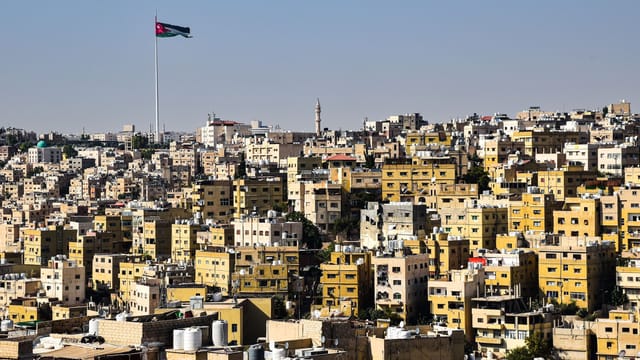
China and Jordan Deepen Strategic Ties as Xi Outlines Middle East Peace Principles
Jordanian King Abdullah II concludes a state visit to Beijing, meeting top Chinese leadership to expand bilateral cooperation and discuss regional stability.

China and Jordan Pledge to Expand Strategic Ties Ahead of 50th Anniversary
Premier Li Qiang and King Abdullah II emphasize cooperation in green technology, trade, and regional stability during the Jordanian monarch's state visit.
China Promotes Xi Jinping Diplomatic Compendium to Guide Foreign Strategy
State and military media call for deep study of a new two-volume collection of Xi Jinping's foreign policy writings to steer external affairs.
China and Chile Pledge Deeper Supply Chain and APEC Cooperation in Beijing
Foreign ministers Wang Yi and Pérez hold bilateral talks marking a decade of comprehensive strategic partnership.

China and Chile Pledge to Deepen Trade and Belt and Road Cooperation
Vice Premier He Lifeng meets Chilean Foreign Minister Pérez in Beijing, marking a decade of comprehensive strategic partnership.
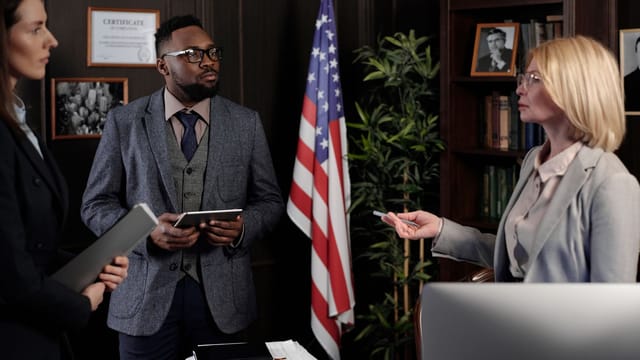
China Publishes Selected Diplomatic Works of Jiang Zemin
The compilation includes 115 writings from 1989 to 2003, featuring several previously unreleased diplomatic documents.
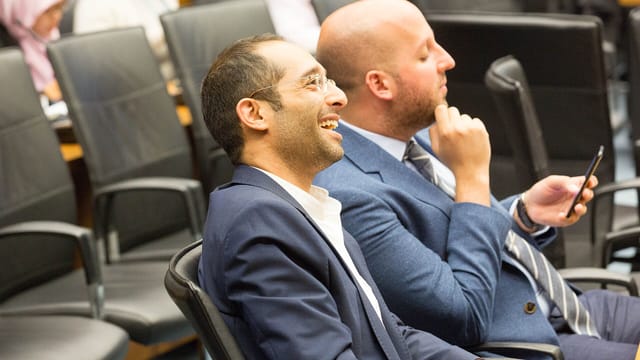
State Media Commentary Highlights Key Dimensions of China's Head-of-State Diplomacy
Official commentary outlines the analytical framework behind Beijing's recent high-level diplomatic engagements and strategic outreach.
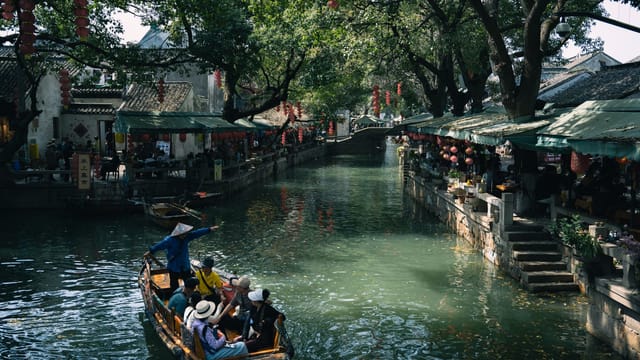
China Highlights Cultural Exchange and Mutual Respect in Diplomatic Framework
State commentary underscores Beijing's foreign policy emphasis on intercultural dialogue, citing key diplomatic engagements from UNESCO to Central Asia.
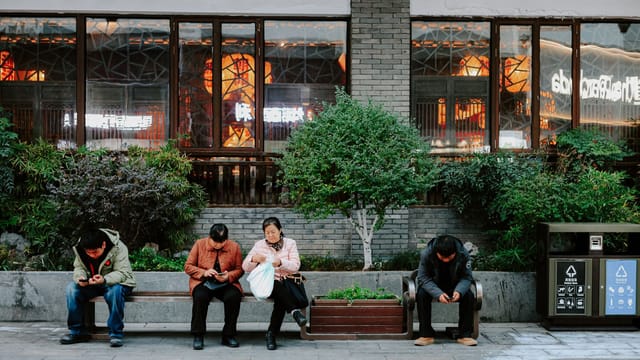
Chinese State Media Highlights Personal Engagement in Foreign Relations
Official media spotlights President Xi Jinping's personal interactions with foreign veterans and citizens as part of China's head-of-state diplomacy.