
# Geopolitics
Latest news and articles about Geopolitics
Total: 1459 articles found

A Truce in Name Only: Hezbollah and Israel Pivot Back to Attrition
Hezbollah leader Naim Qassem has accused Israel of thousands of ceasefire violations since the 2024 agreement, marking a significant escalation in regional tensions. As both sides return to active hostilities, the prospects for a lasting diplomatic resolution appear increasingly remote.

Discord in the Ranks: Retired General’s Outburst Highlights Taiwan’s Fractured Defense Consensus
A retired Taiwanese general has launched a scathing critique of the DPP's defense procurement, calling the administration's arms deals 'shameless' and questioning the utility of American weaponry. This outburst highlights the deep political and strategic divide within Taiwan over how to best counter regional security threats while managing relations with Washington.

The New Wave: China’s Strategic Cultivation of a High-Tech Naval Generation
On Youth Day 2026, the Chinese Navy highlighted its younger generation of sailors as the centerpiece of its modernization efforts. The narrative emphasizes a shift toward a high-tech, professionalized force capable of projecting power in contested maritime domains.

Beyond the Stalemate: Trump’s Growing Impatience Reshapes Persian Gulf Security
President Trump has expressed mounting frustration with the diplomatic impasse with Iran, prompting a shift toward aggressive maritime posturing. The U.S. Navy will now provide active tactical support and intervention readiness for commercial shipping in the Strait of Hormuz.
Bypassing the Hill: Washington Invokes Emergency Powers for an $8.6 Billion Middle East Arms Surge
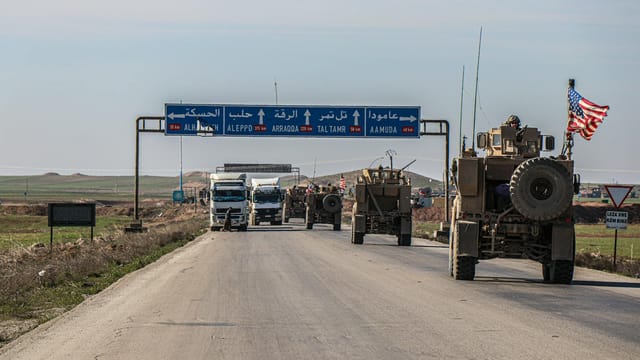
The US State Department has authorized over $8.6 billion in arms sales to Israel, Qatar, Kuwait, and the UAE by invoking an emergency waiver to bypass Congressional review. The deal focuses on precision munitions and missile defense, reflecting a strategic push to bolster regional deterrence amid heightened tensions.

The Great Uncoupling: Why the UAE’s OPEC Exit Threatens the Future of Global Oil Governance
The UAE has officially exited OPEC, ending a 60-year membership and signaling a major rift in global oil politics. While shipping bottlenecks in the Persian Gulf are currently masking the impact, the move threatens to dismantle the cartel's ability to control global prices in the long term.
Strait of Brinkmanship: Trump Challenges Tehran as Hormuz Standoff Intensifies
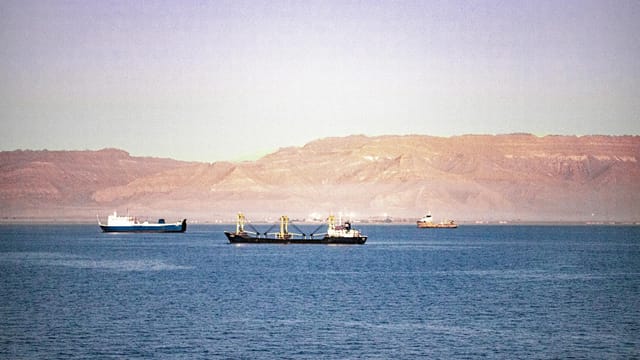
President Trump has rejected Iran's latest diplomatic proposal while initiating a U.S. naval operation to escort ships through the Strait of Hormuz. The move has sparked volatility in oil and gold markets as the risk of military friction grows alongside conflicting reports of potential nuclear enrichment caps.
The Islamabad Conduit: Tehran Dispatches New Diplomatic Blueprint to Washington
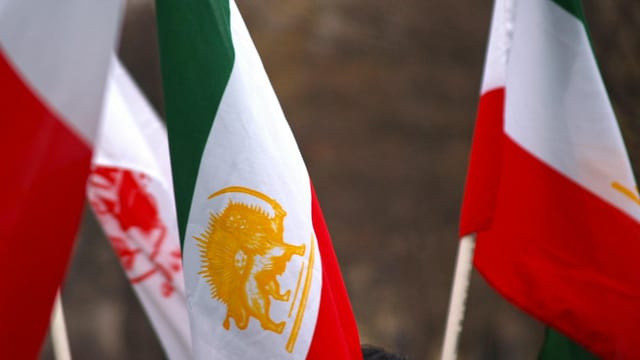
Iran has submitted a new negotiation proposal to the United States via Pakistani mediators, aimed at resolving the multi-faceted conflict involving Israel. While Tehran reaffirms its commitment to diplomacy, it insists that a breakthrough depends entirely on the U.S. shifting its policy and respecting Iranian sovereignty.

From Tehran to Havana: Trump’s Revived Gunboat Diplomacy Targets Cuba
President Trump has increased sanctions on Cuba and threatened a military intervention involving the USS Abraham Lincoln carrier strike group. This pivot suggests a new phase of aggressive 'maximum pressure' in the Caribbean following the end of operations in Iran.

Pyongyang Hits Back: North Korea Labels U.S. Cyber-Espionage Claims as 'Malicious Slander'
North Korea's Foreign Ministry has officially denied U.S. accusations of global cyber threats, labeling them a 'smear campaign' and a political tool. The ministry flipped the narrative, accusing the U.S. of being the world's primary cyber aggressor while vowing to take measures to protect its national sovereignty.
Europe’s Hard Pivot: NATO Braces for US Troop Withdrawal from Germany
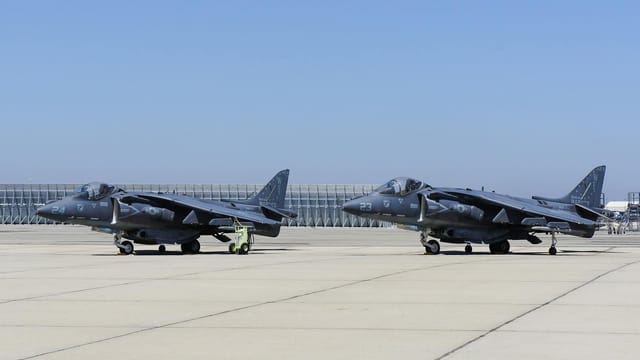
NATO and Germany are preparing for the withdrawal of 5,000 U.S. troops, a move seen as a catalyst for European strategic autonomy. Amid policy rifts over Iran, the alliance is pivoting toward a massive 5% GDP defense spending target to maintain deterrence without relying solely on American boots on the ground.
Strategic Urgency: Washington Bypasses Congress to Fast-Track $8.6 Billion in Middle East Arms Deals
The U.S. State Department has bypassed Congressional review to authorize $8.6 billion in arms sales to Israel, Qatar, Kuwait, and the UAE, citing an urgent regional emergency. This move aims to fast-track precision weapons and missile defense systems to key allies amid growing security concerns in the Middle East.