
# Geopolitics
Latest news and articles about Geopolitics
Total: 1459 articles found
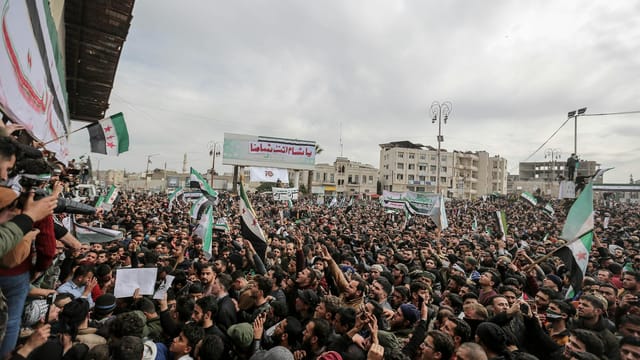
Echoes of Vietnam and Iraq: American Public Sentiment Turns Against the Iran Conflict
A comprehensive poll reveals that 61% of Americans view military action against Iran as a mistake, matching the public disapproval levels of the Iraq and Vietnam wars. The data highlights deep concerns regarding economic stability, terrorism, and strained international alliances, leaving the U.S. administration with a divided mandate for future negotiations.
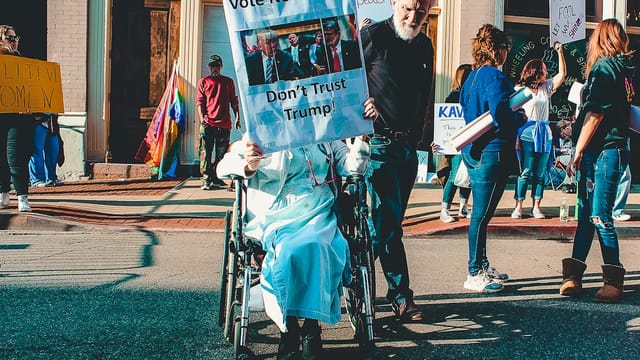
A Fourteen-Point Non-Starter: Trump Rebuffs Tehran’s Maximalist Peace Overture
President Donald Trump has expressed profound skepticism over a 14-point peace proposal from Iran that demands U.S. withdrawal from the Middle East and reparations. Delivered via Pakistan, the framework sets rigid 'red lines' that Washington suggests are fundamentally unacceptable for any future resolution.

China Anchors Taiwan Claim in Cairo: A New Monument for an Old Decree
China has established a monument at Egypt's Mena House Hotel to commemorate the 1943 Cairo Declaration. The move is a strategic effort to reinforce the historical and legal basis for its claims over Taiwan within the context of the post-WWII international order.

The Spirit of Contagion: Middle East Conflict Claims Its First Major U.S. Airline
Spirit Airlines has ceased all operations following a dramatic spike in jet fuel prices caused by military tensions in the Middle East. The collapse follows a failed federal bailout attempt and signals a period of heightened instability and rising ticket prices for the U.S. aviation industry.
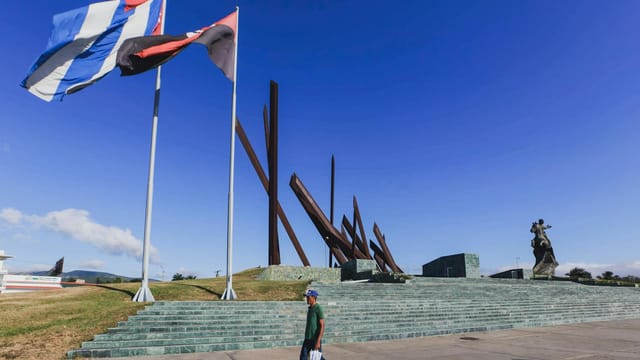
Monroe Doctrine 2.0? Petro Slams Trump’s Military Threats Against Cuba
Colombian President Gustavo Petro has condemned U.S. President Donald Trump’s threats of military intervention in Cuba, labeling such actions as an attack on all of Latin America. The tension follows new U.S. sanctions and Trump’s suggestion of a military 'takeover' of the island following operations in Iran.

Echoes of the Tribunal: Why the Legacy of the Tokyo Trials Still Haunts Asia Eight Decades On
On the 80th anniversary of the Tokyo Trials, China is intensifying its warnings against Japanese historical revisionism and the erosion of its pacifist constitution. Beijing views the current expansion of Japan’s military capabilities as a direct threat to the post-war order established by the 1946 international tribunal.
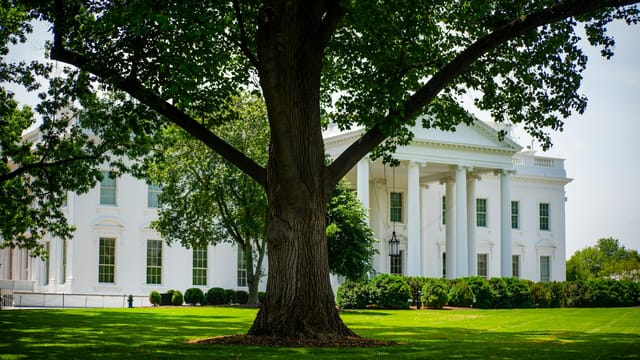
Straits of Fire: Trump's Naval Threats Force a Cuban Standoff
President Trump has escalated tensions with Cuba by threatening military intervention and carrier deployment, prompting a defiant response from President Díaz-Canel. The rhetorical shift coincides with new sanctions and mass anti-U.S. protests in Havana, signaling a return to high-stakes brinkmanship in the Caribbean.
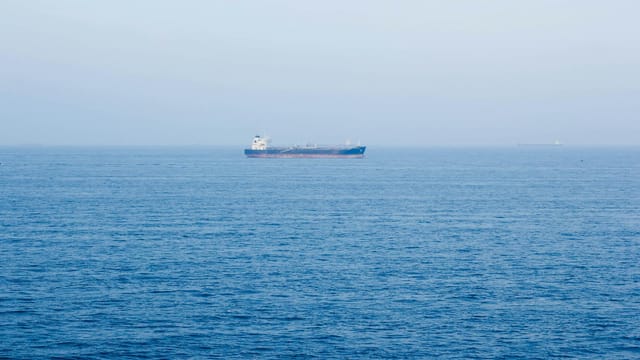
Tehran’s High-Stakes Gambit: A Fourteen-Point Peace Plan Met with Trump’s Skepticism
Iran has submitted a 14-point peace proposal to the U.S. via Pakistan, demanding military withdrawal and reparations, while President Trump has expressed deep skepticism. Concurrently, Tehran is advancing legislation to assert total control over the Strait of Hormuz, including a permanent ban on Israeli shipping and taxes on 'hostile' nations.
Shadows of Shenyang: The Legal Battle Over Japan’s Wartime Legacy
This retrospective examines the 1956 Shenyang Trials where Chinese prosecutors challenged the collective denial of Japanese war criminals. It highlights how Beijing uses these historical narratives to maintain its moral standing and exert diplomatic pressure on modern Japan.
Transactional Tensions: Trump Initiates Troop Withdrawal from Germany Amid Iran Spat
The Pentagon has announced the withdrawal of 5,000 troops from Germany within the next year, following a diplomatic fallout between President Trump and Chancellor Merz. The move reflects a broader U.S. strategic shift toward the Indo-Pacific and highlights a growing rift in the NATO alliance over Middle Eastern policy.
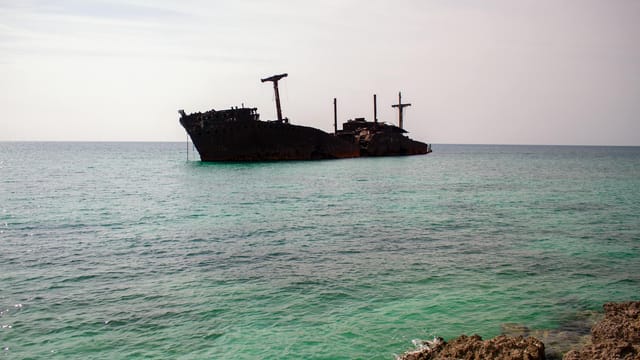
Tehran Moves to Rewrite the Rules of Engagement in the Persian Gulf
The Iranian Revolutionary Guard Corps Navy has announced a new initiative to reshape management rules in the Persian Gulf and the Strait of Hormuz under the Supreme Leader's orders. This strategic maneuver aims to formalize Iran’s control over vital maritime routes amid ongoing tensions with the United States.
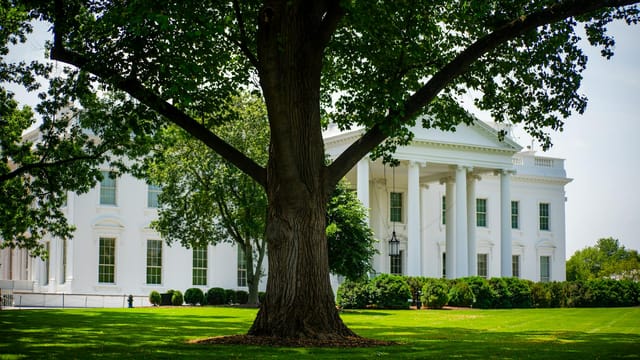
Brinkmanship in the Gulf: Trump Rejects Iranian Overture While Reviewing Military Contingencies
Donald Trump has rejected the latest diplomatic proposal from Iran, delivered via Pakistani intermediaries, while simultaneously reviewing updated military options from CENTCOM. The administration continues to pursue a high-stakes strategy of 'Maximum Pressure,' balancing a preference for a new deal with the explicit threat of military escalation.