
# Guangdong
Latest news and articles about Guangdong
Total: 48 articles found

Guangdong’s Digital Frontier: Building a High-Tech Hub in the Greater Bay Area
Guangdong has unveiled a comprehensive plan to strengthen the Greater Bay Area’s digital infrastructure, focusing on national computing networks, 6G development, and satellite internet. The initiative targets high-tech sectors like embodied AI and the low-altitude economy to drive industrial upgrading.

Guangdong’s Digital Pivot: China’s Economic Engine Bets on Network-as-a-Service and Satellite Internet
Guangdong has launched a comprehensive plan to modernize its service sector by prioritizing advanced digital infrastructure like satellite internet and Network-as-a-Service. The initiative aims to support AI and industrial internet growth through specialized computing-network integration, reinforcing the province's status as a leader in China's digital transformation.

Guangdong’s AI Gambit: China’s Tech Powerhouse Pivots to Intelligence-Led Growth
Guangdong province has launched a comprehensive plan to become an international innovation center for AI and software. The strategy focuses on developing industry-specific LLMs, achieving breakthroughs in core industrial software, and building an autonomous tech ecosystem based on open-source domestic platforms.

Sky-High Ambition: Guangdong Unveils Plan to Link Hong Kong and Macau via Low-Altitude Drone Networks
Guangdong has launched a comprehensive plan to modernize its logistics sector, prioritizing a low-altitude drone network to link Hong Kong and Macau. The initiative seeks to transition the province into a high-value service hub through autonomous transport, maritime finance, and high-speed rail freight.

Guangdong’s Decade of Digital Dominance: How a 55-Fold Surge Redefined Global Trade
Guangdong’s cross-border e-commerce sector has grown 55-fold since 2015, reaching a projected 623 billion RMB and accounting for over one-third of China’s total digital exports. The 2026 Guangzhou fair highlighted the critical role of AI in enabling sellers to transition from simple manufacturing to sophisticated global brand management.

China’s Trillion-Yuan Hubs Defy Demographic Gravity as Migration Consolidates
While China’s national population continues to shrink, 21 major trillion-yuan GDP cities added 1.66 million residents in 2025, led by Shenzhen's massive growth. This trend highlights an increasing concentration of labor and talent in high-tech manufacturing hubs and strong provincial capitals, while mature mega-cities like Beijing face stagnation.
SHEIN’s New Mandate: Leading China’s State-Backed Push for Industrial Modernization
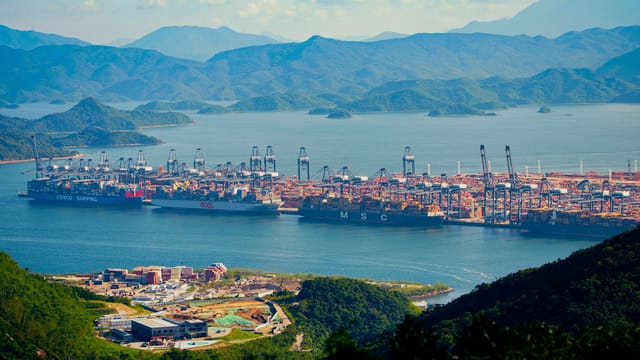
SHEIN has been designated a national talent training hub in China, signaling its evolution into a key player in state industrial policy. The company is leveraging its digital supply chain to train thousands of suppliers and address the skills gap in the country's manufacturing sector.
Energy Sector Purge: Former Vice President of China Resources Gas Under Investigation
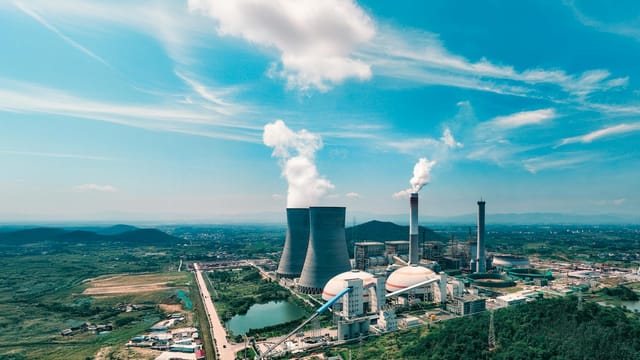
Li Xuesong, the former Vice President of China Resources Gas, is under investigation by the CCDI for serious violations of discipline and law. The probe highlights continued anti-corruption efforts targeting senior leadership within China’s critical state-owned energy infrastructure.

The Talent War: Why the PLA is Targeting China’s Top High Schools
Five elite PLA academies conducted a major recruitment and defense education tour in Guangdong's top high schools to attract high-quality STEM talent. The campaign highlights the military's shift toward high-tech warfare and its increasing competition with the private sector for China's best and brightest students.

China’s Demographic Contagion: The Heartlands Hollow Out as 24 Provinces Shrink
China’s demographic crisis has accelerated, with 24 out of 31 provinces now in negative growth territory. Central China has overtaken the Northeast as the region with the steepest decline, while the national birth rate has fallen below the critical 8 million mark.

China’s Provincial GDP Reshuffle: The Brutal Divide Between Tech Pioneers and Resource Laggards
China's Q1 2026 provincial data shows a significant ranking shift, as tech-focused regions like Zhejiang and Chongqing outpace resource-dependent provinces like Shanxi and Liaoning. The data highlights a growing economic divide fueled by the transition to high-tech manufacturing and green energy sectors.
Guangdong’s 2030 Blueprint: China’s Economic Engine Pivots to Semiconductor Sovereignty and AI Integration
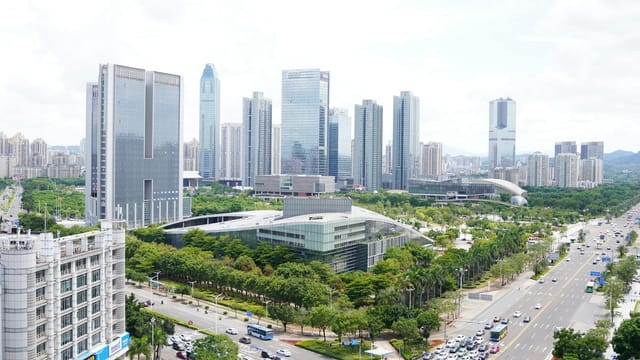
Guangdong's 15th Five-Year Plan (2026–2030) prioritizes technological self-reliance, targeting a 5% growth rate through 'New Quality Productive Forces.' The strategy emphasizes semiconductor autonomy, AI integration, and deeper regional synergy within the Greater Bay Area to counter global trade challenges.