
# Indo-Pacific%20Strategy
Latest news and articles about Indo-Pacific%20Strategy
Total: 34 articles found

The Takaichi Gambit: Rituals of Regret and the Reality of Rearmament
Japan is undergoing a rapid strategic transformation under Takaichi, combining symbolic diplomatic gestures with unprecedented overseas military exercises. However, the push for military normalization and 'economic security' faces deep structural challenges due to Japan's continued reliance on Chinese supply chains and domestic constitutional limits.
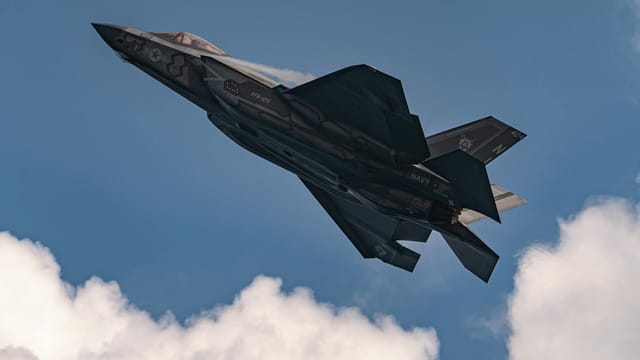
Blue-Water Ambitions: China Completes its 'Five-Piece' Carrier Air Wing Suite
China has finalized its core carrier-based aircraft suite, including the J-35 stealth fighter and KJ-600 early warning aircraft. This milestone, enabled by electromagnetic catapult technology, transforms the PLAN's carrier groups into comprehensive combat units capable of far-sea power projection. The development marks a significant narrowing of the technological gap between the Chinese and U.S. navies.

Behind the Veil of Openness: Beijing’s Scathing Critique of Japan’s Regional Ambitions
Beijing has condemned Japan’s 'free and open' Indo-Pacific strategy as a facade for promoting bloc-based confrontation and containment. The Foreign Ministry's statement reflects deepening concerns over Japan's expanding security role and its strategic alignment with Western powers.
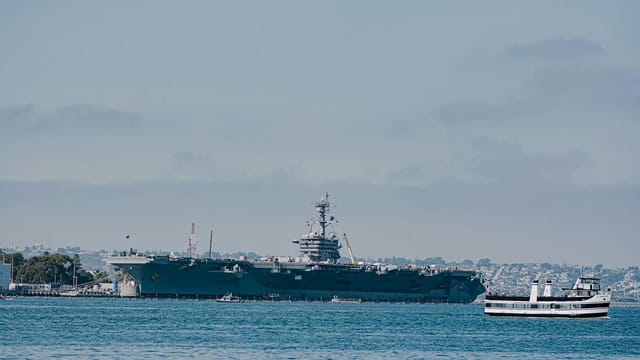
Power Projection in the High Seas: The USS George H.W. Bush Enters the Indian Ocean
The USS George H.W. Bush has entered the Indian Ocean, signaling a strategic pivot to the Indo-Pacific maritime theater. This deployment serves as a deterrent to regional rivals and reinforces the U.S. commitment to protecting global trade routes and democratic partnerships.
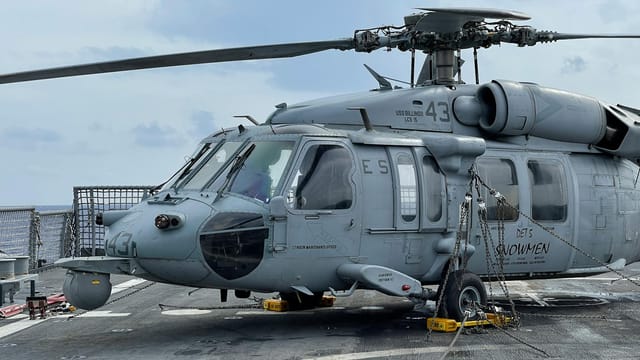
Maritime Assertiveness: The USS George H.W. Bush Stakes a Claim in the Indian Ocean
The USS George H.W. Bush has entered the Indian Ocean, signaling a strategic reinforcement of the U.S. Indo-Pacific posture. This deployment aims to safeguard critical trade routes and provide a visible deterrent against regional competitors while reassuring key maritime allies.
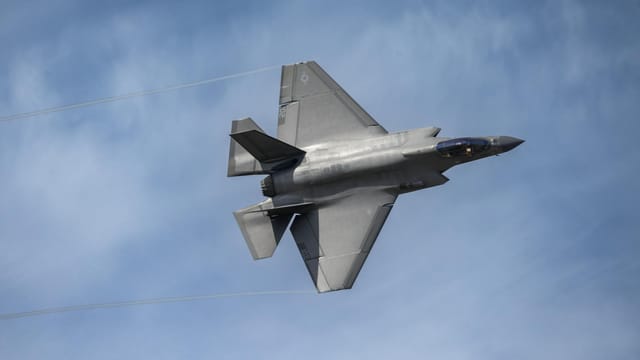
Windmill Guardian: The Growing NATO Footprint in the Indo-Pacific
The first trilateral 'Windmill Guardian' exercise involving the U.S., Japan, and the Netherlands marks a major step in integrating European NATO members into Indo-Pacific security. The drills focused on F-35 interoperability and data-link sharing, signaling a transition toward a multilateral, networked alliance structure in the region.
Straitened Relations: China Signals a New Era of 'Suppression' Following Japanese Naval Transit
China has issued a severe warning to Japan following the transit of the destroyer Ikazuchi through the Taiwan Strait, introducing new military terminology that suggests a shift toward active suppression of foreign naval presence. Beijing views the move not as a routine freedom of navigation exercise, but as a provocative alignment with 'Taiwan independence' forces and a repeat of Japan's historical militaristic patterns.
Emptying the Quiver: Washington’s High-Stakes Gamble as JASSM-ER Missiles Shift from Pacific to Iran
The United States is reportedly shifting nearly its entire global inventory of JASSM-ER stealth cruise missiles to the Middle East and the UK. This strategic reallocation, which includes pulling stocks from the Pacific, signals an impending high-intensity military operation against Iran and highlights a significant strain on U.S. advanced munition stockpiles.

Emptying the Arsenal: US Risks Pacific Deterrence to Fuel Iranian Escalation
The United States is reportedly depleting its global JASSM-ER missile stockpiles, including critical reserves in the Pacific, to support a high-intensity military campaign against Iran. This strategic shift highlights the logistical strain of managing multi-theater conflicts and creates a temporary window of vulnerability in the Indo-Pacific region.
The Cost of Conflict: How Middle East Turmoil is Stalling Japan’s Indo-Pacific Deterrence
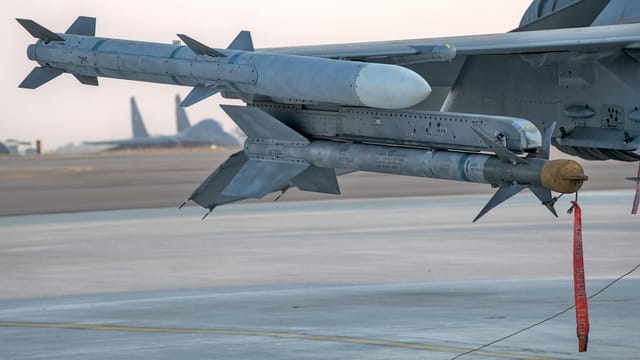
Escalating military operations against Iran have depleted U.S. missile inventories, forcing a delay in the delivery of 400 Tomahawk missiles to Japan. This logistical bottleneck threatens Tokyo's timeline for establishing a counterstrike capability and highlights the strain on the U.S. defense industrial base.