
# Iran
Latest news and articles about Iran
Total: 1256 articles found
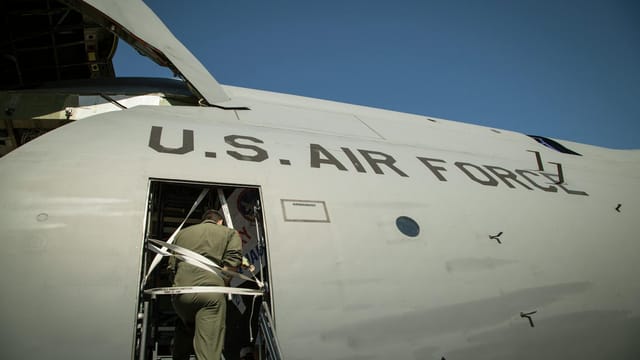
The End of the Gray Zone: Direct US-Iran Confrontation Signals a Dangerous New Chapter in Middle East Conflict
Recent direct military exchanges between US forces and the IRGC mark a departure from proxy warfare toward overt confrontation. With Tehran warning of a 'completely different' response to future strikes, the region faces a high risk of escalation as diplomatic avenues remain closed.

Tehran’s High-Stakes Gamble: Why the Lebanon Escalation Shuttered the US-Iran Backchannel
Iran has suspended indirect talks with the United States following Israel’s expanded military operations in Lebanon, threatening to block the Strait of Hormuz if its demands for an Israeli withdrawal are not met. The escalating conflict has led to direct military friction between US and Iranian forces, causing global oil prices to surge by over 5%.
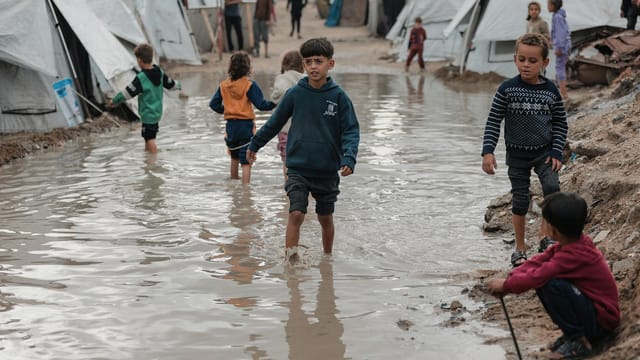
A Bloody Ledger: The Growing Toll on Childhood in the Middle East
As International Children's Day passes, a humanitarian crisis continues to devastate the Middle East, with record child casualties reported in Gaza, Lebanon, and Iran. The destruction of educational infrastructure and widespread psychological trauma are creating a 'lost generation' that threatens the region's future stability.
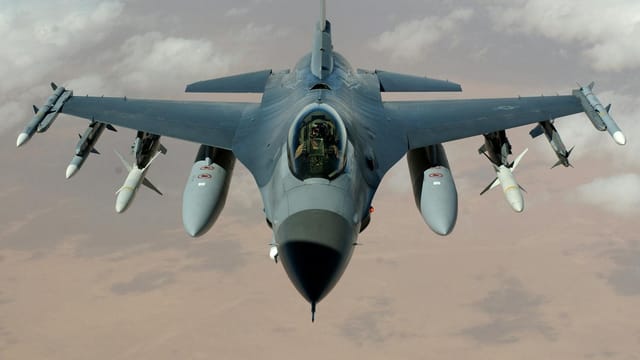
Resilient Underground: Why Iran’s Missile Network Proves Impervious to US Precision Strikes
Satellite imagery reveals that Iran has restored most of its underground missile bases despite recent strikes, clearing 50 of 69 damaged tunnel entrances. The rapid recovery of these facilities and the restart of drone production underscore the limitations of Western air power against deeply buried infrastructure. This resilience highlights a strategic failure to permanently neutralize Tehran's missile capabilities through surgical strikes.

Trump Asserts Nuclear Prohibition in Iran Deal Amid Heightened Geopolitical Tensions
Donald Trump has defended his administration's Iran policy, claiming that proposed agreements explicitly prohibit the development of nuclear weapons. The situation highlights a deepening divide between U.S. demands for detailed nuclear guarantees and Iran's refusal to discuss its program's specifics.

Shadows over the Strait: Tehran’s Calculated Signal in the Drone Downfall
Iranian media has released footage showing the IRGC downing a US-made MQ-1 Predator drone, a move aimed at demonstrating military capability and defiance against Western surveillance. The incident, widely reported in Chinese state media, underscores the heightening tensions in the Middle East and the strategic importance of drone warfare in modern geopolitical signaling.

Tehran’s Strategic Hesitation: Iran Weighs Washington’s Latest Diplomatic Overture
Iran's Supreme National Security Council is currently evaluating a new U.S. diplomatic proposal delivered through intermediaries. Despite the overture, Tehran has withheld a formal response, citing unresolved concerns and the need for guaranteed benefits from any potential agreement.

Beirut Under Fire: Israel’s Escalation and the Collapse of the April Accords
Israel has resumed airstrikes on Beirut following the collapse of a short-lived ceasefire, prompting Iran to warn that the entire regional diplomatic framework is now at risk. Despite U.S. efforts to broker a new initiative, the escalation marks a move toward a multi-front conflict.
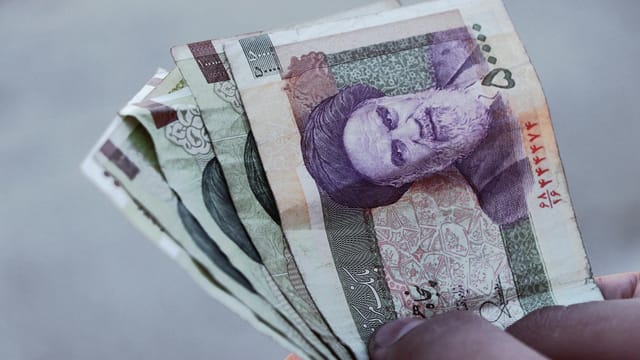
Diplomacy in the Dark: Why Tehran Sees No Path Forward with a 'Contradictory' Washington
Tehran has accused the United States of diplomatic inconsistency, claiming that shifting American positions and Israeli military actions in Lebanon are the primary obstacles to regional stability. Consequently, Iran has de-prioritized nuclear negotiations, focusing instead on achieving a ceasefire and holding the U.S. accountable for regional escalations.

Brinkmanship in the Persian Gulf: Iran Rejects Trump’s Hardened Terms as Oil Markets React
Iran has rejected stricter revisions to a bilateral memorandum of understanding proposed by the Trump administration, signaling a readiness for a total collapse in negotiations. In response to the diplomatic friction and threats of military involvement, international oil prices have surged past $90 a barrel.

Throttling the Gulf: US Maritime Blockade of Iran Forces Massive Shipping Reroutes
US Central Command has confirmed an active maritime blockade against Iran, impacting 123 vessels to date. The operation, involving the USS Milius, has forced significant rerouting of international shipping and signals a major escalation in US-Iran tensions.
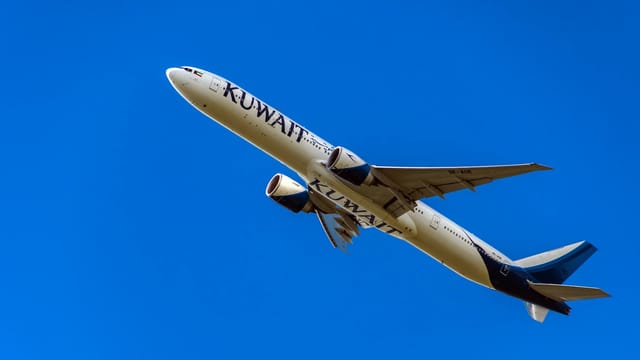
Calibrated Conflict: Iranian Missile Strikes in Kuwait Signal a Dangerous Expansion of Regional Tensions
An Iranian ballistic missile and drone attack on a U.S. airbase in Kuwait caused minor injuries to seven personnel but was largely thwarted by local defenses. The incident marks a notable geographic expansion of Iran's targeting profile, signaling increased pressure on U.S. regional allies.