
# Iran
Latest news and articles about Iran
Total: 1259 articles found

Retreat from the Strait: The Short, Violent Life of Operation Liberty
President Trump has suspended 'Operation Liberty' just 48 hours after its launch, following violent naval skirmishes and a refusal by commercial shipping firms to resume transit. The reversal highlights a deepening stalemate in the Strait of Hormuz where both the U.S. and Iran are locked in a high-risk cycle of low-intensity conflict.

A Fragile Calm in Hormuz: Trump’s Tactical Pivot from 'Epic Fury' to Diplomacy
President Trump has paused 'Operation Freedom' in the Strait of Hormuz just one day after its launch, citing tactical victories and potential progress toward a deal with Iran. While the U.S. frames this as a strategic opening for diplomacy, Tehran views the suspension as a retreat following a brief but lethal naval engagement.

Maximum Pressure 2.0: Washington Tightens the Noose on Tehran in the Strait of Hormuz
Secretary of State Marco Rubio has announced a new phase of 'Maximum Pressure' against Iran, combining intensified economic blockades with a naval operation to secure the Strait of Hormuz. While the U.S. maintains that diplomacy is the goal, it is prepared to use lethal force if its maritime operations are challenged.
Brinkmanship in the Strait: Trump’s 'Mini-War' and the High Stakes of Hormuz
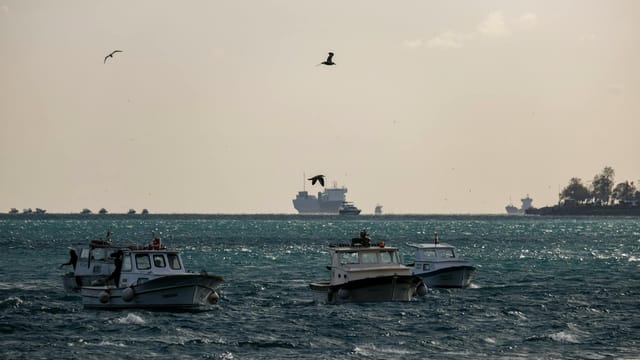
Tensions have surged in the Strait of Hormuz as President Trump warns of total destruction for Iran following a series of naval skirmishes and the sinking of seven Iranian vessels. While Trump labels the conflict a 'mini-war,' Tehran demands recognition of its dominance over the waterway, leaving diplomatic efforts in a precarious deadlock.
Tehran Shuts the Strait: A High-Stakes Gamble in the Shadow of War
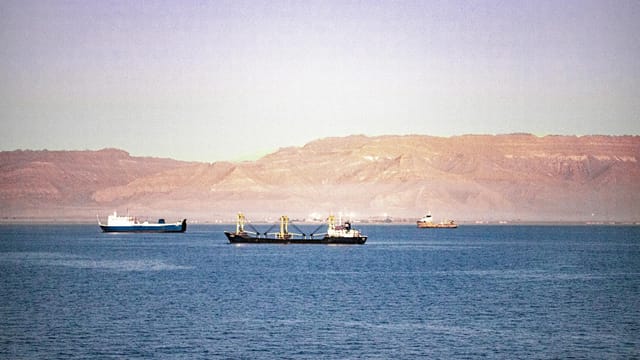
Iran has declared the Strait of Hormuz closed, with a senior advisor to the Supreme Leader describing the nation as being in a 'state of war' with the United States. This escalation, combined with a refusal to limit missile development, significantly heightens the risk of conflict in the world's most vital energy corridor.
Strategic Silence: Deciphering the Reported Missile Exchange in the Strait of Hormuz
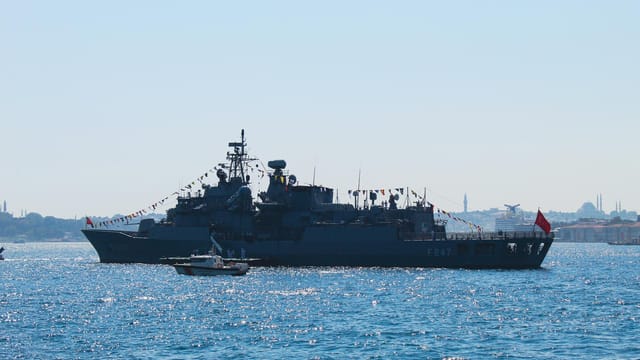
Reports of a missile encounter in the Strait of Hormuz indicate a significant escalation in U.S.-Iran tensions and the fragile state of global energy security. This incident showcases Iran's willingness to use its missile capabilities to challenge American naval hegemony in a region vital for global oil transit.
Beyond Rhetoric: Trump Brands U.S.-Iran Hostilities a 'Mini-War'
President Donald Trump has described the ongoing U.S.-Iran conflict as a 'mini-war,' breaking with advisors and Congressional leadership who avoid the term 'war.' This rhetoric follows polling showing low public support for a full-scale conflict, suggesting a strategy to acknowledge military action while minimizing its perceived scale.
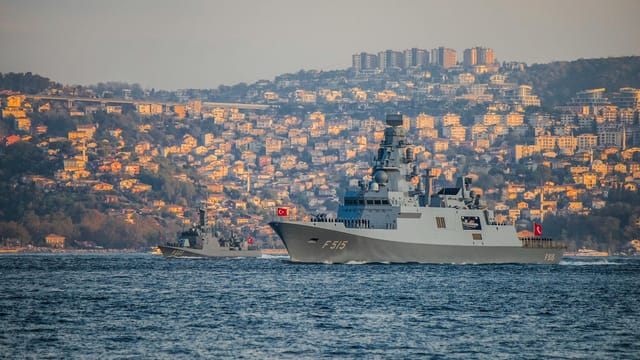
Brinksmanship in the Strait: Tehran Escalates Maritime Standoff with 'Warning' Strikes
Iran conducted warning strikes using missiles and drones near a U.S. Navy vessel in the Strait of Hormuz, asserting its control over the strategic waterway. While no damage was reported by the U.S., the incident represents a significant escalation in maritime tensions and a direct challenge to American naval presence in the region.

Gunboat Diplomacy 2.0: US Kinetic Action in the Strait of Hormuz Signals a Hardened Middle East Policy
US Central Command has engaged and sunk six Iranian vessels in the Strait of Hormuz as part of a mission to break a regional maritime deadlock. The operation involves a successful naval blockade and the interception of Iranian missiles, signaling a sharp escalation in US efforts to secure the vital shipping lane.

A Dangerous Game in the Gulf: Iran Issues Veiled Threats Amid Fujairah Oil Blasts
Iran has denied responsibility for a drone attack on the UAE’s Fujairah oil facilities, instead blaming U.S. naval movements. Simultaneously, Tehran issued a severe warning to Abu Dhabi, threatening total destruction of its infrastructure if it remains a strategic partner to Israel.
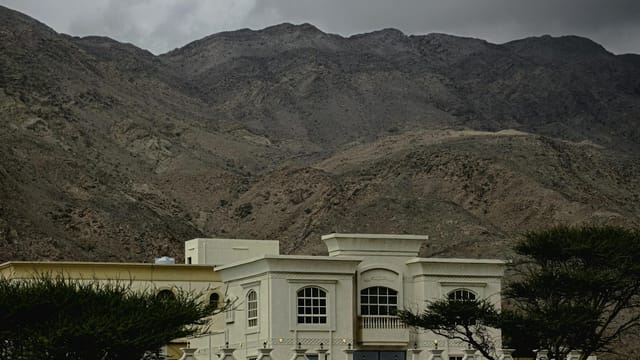
A Fog of War in the Gulf: Iran Blames U.S. 'Adventurism' for UAE Oil Facility Fire
Iran has denied responsibility for a large-scale fire at a UAE oil terminal in Fujairah, instead blaming 'U.S. military adventurism.' An Iranian official claimed the incident was caused by American forces attempting to open an illegal shipping channel through the Strait of Hormuz.
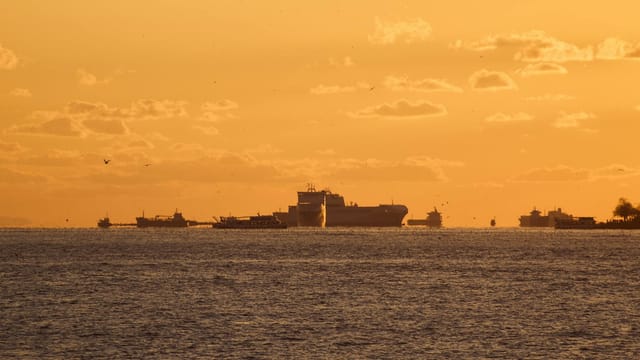
Escalation in the Strait: U.S. Naval Forces Sink Iranian Vessels in High-Stakes Maritime Clearing Operation
U.S. Central Command has confirmed the sinking of six Iranian vessels and the interception of missiles during a new operation to clear the Strait of Hormuz. This escalation follows a presidential directive to guide stranded commercial ships through the waterway amid a highly effective maritime blockade of Iran.