
# Iran
Latest news and articles about Iran
Total: 1261 articles found

Crossing the Rubicon: The Strategic Aftermath of Trump’s Iranian Rescue Mission
The successful rescue of a U.S. pilot from Iranian territory marks the first American ground presence in Iran in nearly five decades, signaling a major shift in military engagement. This operation removes a key piece of Iranian leverage and significantly boosts Donald Trump’s domestic political standing while raising the stakes for future conflict.

Zagros Extraction: Trump Hails High-Stakes Rescue as Tensions with Iran Reach a Fever Pitch
President Trump has announced the successful rescue of a second U.S. airman, a Colonel, from deep within Iranian territory following the shootdown of an F-15E. The operation involved a massive military presence and occurred amidst an Iranian manhunt, highlighting the extreme volatility of current U.S.-Iran relations.

A Midnight Breakthrough? Trump Teases Imminent Iran Accord Amid Military Readiness
President Trump has announced that a deal with Iran is likely to be finalized by April 6, 2026, marking a potential shift in U.S. foreign policy. The announcement coincides with a planned military press conference, signaling a high-stakes breakthrough in regional security negotiations.

Cracks in the Canopy: US Air Losses Over the Persian Gulf Signal a Strategic Shift
The loss of two US fighter jets and damage to rescue helicopters in the Persian Gulf indicates that Iran's air defense systems remain highly effective. These incidents highlight the increasing vulnerability of aging US airframes like the F-15E and A-10 against modern regional powers.

Trump’s Iranian Quagmire: The Cost of Impulse and the Path to De-escalation
The Trump administration's military campaign against Iran has stalled, forcing a pivot from the goal of regime change to a simplified nuclear containment strategy. To avoid a global economic crisis and a protracted war, Washington may be forced to guarantee the survival of the Iranian leadership in exchange for the surrender of weapons-grade materials.

The Mounting Human Toll: Israel Reports Over 6,000 Hospitalizations Amid Broadening Regional Conflict
The Israeli Ministry of Health has reported that 6,833 people have been hospitalized due to the widening conflict involving the US, Israel, and Iran. While most have been discharged, the high volume of injuries highlights the significant civilian and systemic strain caused by the regional escalation.

Chokepoint Diplomacy: Tehran Tightens its Strategic Grip on the Strait of Hormuz
Tehran has introduced a selective transit policy for the Strait of Hormuz, allowing humanitarian goods and Iraqi vessels while targeting 'hostile' actors with military force. This strategic shift uses the global energy chokepoint as leverage in broader geopolitical negotiations, a situation US intelligence expects to persist for the foreseeable future.

Eyes in the Sky Go Dark: Washington Reasserts Shutter Control Over Private Satellites
Planet Labs has indefinitely halted satellite imagery services for Iran and Middle East conflict zones following a direct request from the U.S. government. The move aims to protect military assets from adversarial exploitation, signaling a retreat from the open-source intelligence era during times of high-stakes conflict.
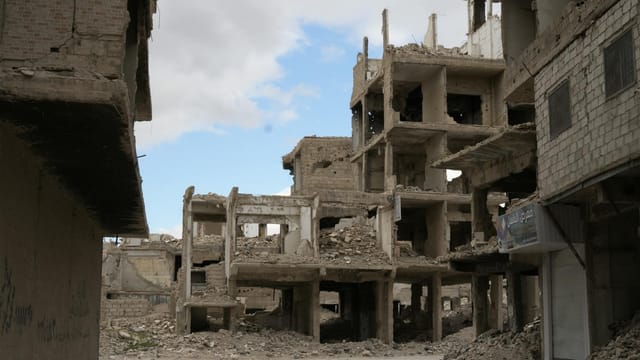
Tehran’s Defiant Counter-Narrative: Operation 'True Promise-4' and the Fog of Regional War
Iran has dismissed U.S. claims that its air defense systems were destroyed, instead announcing a series of wide-ranging strikes under 'Operation True Promise-4.' Tehran claims to have successfully targeted U.S. and Israeli assets in Kuwait, Bahrain, the UAE, and Israel, signaling a significant escalation in regional hostilities.

Brinkmanship in the Gulf: Iran Rebuffs U.S. Ceasefire Overture After Kuwait Base Strike
Iran has rejected a 48-hour ceasefire proposal from the United States, opting instead to intensify military operations following a successful strike on a U.S. warehouse in Kuwait. The standoff marks a significant escalation in the Persian Gulf, with Tehran interpreting Washington's diplomatic overture as a sign of tactical weakness.

A Continent Adrift: Why Europe is Bypassing Washington to Negotiate the Strait of Hormuz
The UK and France have led a 40-nation summit to reopen the Strait of Hormuz without US participation, focusing on diplomacy over military force. This move comes as Iran implements a shipping toll system payable in RMB, highlighting a significant shift in global energy security leadership.
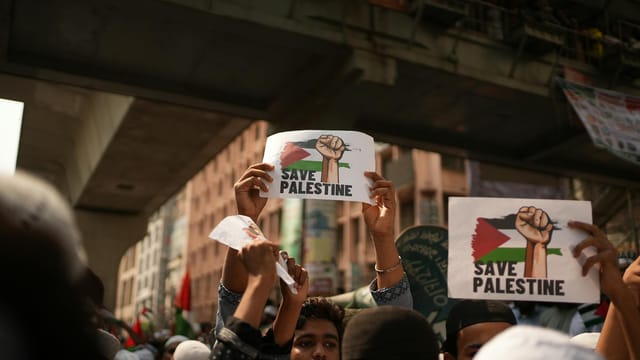
The Cycle of Attrition: Iran’s ‘True Promise-4’ Signals a New Era of Persistent Conflict
Iran has launched the 94th wave of its 'True Promise-4' military operation, targeting Israeli industrial and military infrastructure. This escalation reflects a transition toward a permanent state of high-intensity attrition aimed at crippling both military leadership and economic capacity.