
# JCPOA
Latest news and articles about JCPOA
Total: 13 articles found
Paris Tightens the Screws: France Signals No Easy Exit for Iran Sanctions
France has asserted its veto power over the lifting of UN sanctions on Iran, demanding comprehensive concessions on nuclear development and regional security. Following the 2025 'snapback' of sanctions, Paris has positioned itself as a critical gatekeeper in any future negotiations involving Tehran and the West.
A Diplomatic Opening: Tehran Signals Potential Breakthrough in Nuclear Standoff
An Iranian negotiation advisor has revealed a draft memorandum of understanding aimed at resolving the nuclear impasse through phased sanctions relief. The proposal marks a significant diplomatic pivot that seeks to reconcile Iran's economic needs with international security requirements.
Brinkmanship and Bargaining: The Impossible Math of a New US-Iran Compact
The U.S. and Iran remain locked in a diplomatic stalemate as both sides issue competing five-point demands for any future negotiations. While subtle shifts in American rhetoric regarding the duration of nuclear restrictions offer a slim window for dialogue, the risk of military escalation remains high.
Eight Years of 'Maximum Pressure': Iran Grapples with the Costs of Economic Isolation and Regional Conflict
Eight years after the U.S. exit from the nuclear deal, Iran faces a dire economic landscape characterized by high inflation and a collapsed tourism sector. Despite the severe impact of sanctions and regional conflict, the Iranian government maintains a policy of resistance while the public remains deeply skeptical of U.S. diplomatic reliability.
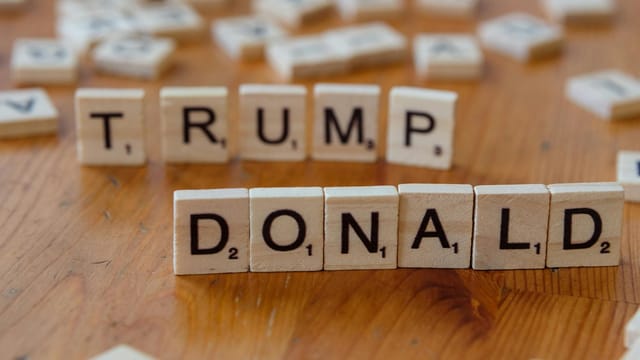
Foreign Policy Friction: Blinken Rebukes Trump Over Iran Strike Claims
Former Secretary of State Antony Blinken has vehemently denied claims by Donald Trump that he supported military strikes on Iran. Blinken used the opportunity to critique Trump’s withdrawal from the JCPOA and warned of the dangers of further isolating the United States from its allies.

Death of Iran’s Security Chief Risks Unleashing a New Cycle of Escalation
Iran confirmed the death of Ali Larijani, its Supreme National Security Council secretary, in an airstrike that Israel had announced a day earlier. Larijani’s killing removes a key interlocutor and ‘buffer’ between Iran’s pragmatic and hardline camps, raising the risk of immediate, broad retaliation and complicating nuclear diplomacy and crisis management in the region.
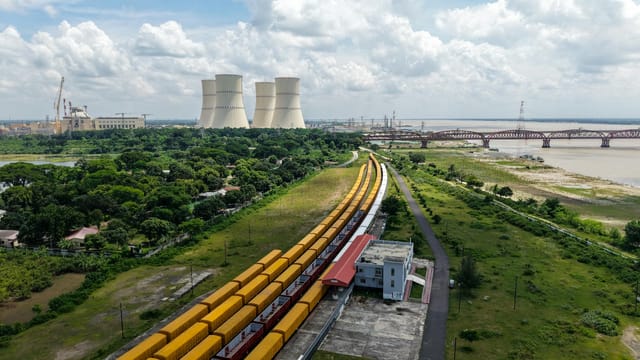
Iran’s New Supreme Leader Is Portrayed as the ‘Shadow Architect’ of a Militarised Nuclear‑Missile Complex
Mojtaba Khamenei’s elevation to supreme leader coincides with a profile that depicts him as the central architect of Iran’s integrated nuclear and missile programme. The portrayal suggests Tehran has institutionalised a strategy of maintaining a rapid path to a nuclear weapon while embedding that capability within hardened, precision missile forces — a shift that will reshape regional deterrence and complicate diplomatic efforts.
Why Iran Won’t Give Up Uranium Enrichment: Pride, Leverage and the Limits of Pressure
Iran views its uranium enrichment programme as a core element of national sovereignty and regime legitimacy, not a mere technical capability. Domestic politics, deterrence logic and a desire to retain leverage explain why Tehran resists U.S. pressure to abandon enrichment, even as higher enrichment levels have increased regional tensions and risked military confrontation.
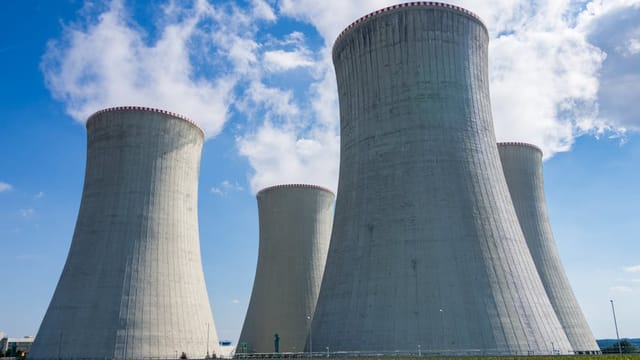
Third Round of Indirect Iran–U.S. Talks Conclude as Tehran Repeats: No Intent to Build Nuclear Weapons
A third round of indirect Iran–U.S. talks has ended with Iranian officials reiterating that Tehran will not pursue nuclear weapons. The mediated talks seek technical compromises on enrichment limits, IAEA access, and sanctions relief, but translating broad assurances into verifiable measures will be the essential next step.

Iran and Oman Open Third Round of Indirect Iran‑US Talks in Geneva
Iran and Oman met in Geneva to inaugurate a third round of indirect Iran‑US talks, with Tehran outlining demands on nuclear constraints and sanctions relief and Oman offering mediation support. The meeting signals diplomatic intent but substantial obstacles remain, including mutual mistrust, sequencing of concessions, and regional opposition.
U.S. Demands ‘No Sunset’ on Iran’s Nuclear Limits as Geneva Talks Begin; Military Posturing and Carrier Faults Cast Shadow
On the opening day of third-round U.S.–Iran talks in Geneva, U.S. negotiators demanded that any future nuclear agreement contain no sunset clauses, seeking indefinite restrictions on Iran’s nuclear activities. The demand comes amid intensified U.S. military deployments, Iranian naval exercises and fresh sanctions — even as operational faults aboard the USS Gerald R. Ford undercut Washington’s coercive signalling.
Muscat Mediation Keeps U.S.–Iran Nuclear Dialogue Alive, But Substance Still Divides Them
Indirect talks in Muscat on 6 February mediated by Oman produced a limited breakthrough: Iran and the U.S. agreed to continue dialogue, though core terms remain disputed. The mediated format reflects deep mistrust but also a shared interest in avoiding escalation while technical and political obstacles are negotiated.