
# Japan
Latest news and articles about Japan
Total: 168 articles found

Echoes of the Past: Japan’s Bold Pivot Toward Centralized Intelligence and Space Defense
Japan is undergoing a major structural shift in its security apparatus, establishing a CIA-style National Intelligence Agency and expanding its military into the space domain. These moves, championed by the Takaichi administration, have sparked intense debate over the erosion of Japan's pacifist constitution and the rise of neo-militarism.

Japan’s Security Pivot: Dismantling the Pacifist Guardrails of the Post-War Era
Japan is aggressively moving away from its post-war pacifist constraints, seeking to normalize its military status and revise its constitution. This shift, driven by conservative political goals, is raising alarms regarding regional stability and a potential arms race in East Asia.
Dismantling the Pacifist Shield: Japan’s Watershed Pivot to Lethal Arms Exports
Japan has officially revised its defense export rules to allow the sale of lethal weaponry to foreign nations, including those in conflict. This move represents a historic departure from its post-war pacifist constraints and signals a deeper integration with Western military alliances.

Echoes of Empire: Japan’s Shift to Traditional Military Ranks Signals a Deeper Identity Pivot
The Japanese government plans to rename Self-Defense Force ranks to match traditional military titles, such as 'General' and 'Colonel,' for the first time since 1954. While intended to align with international standards, the move has triggered intense debate over Japan's pacifist identity and the resurrection of Imperial-era symbolism.
Resurrecting the Arsenal: European Observers Sound Alarm Over Japan’s Lethal Arms Pivot
Following Japan's decision to permit the export of lethal weapons, Spanish intellectuals are warning that the policy shift threatens global stability. Critics emphasize that Japan’s move undermines its post-WWII pacifist identity and risks reigniting historical tensions in Asia.
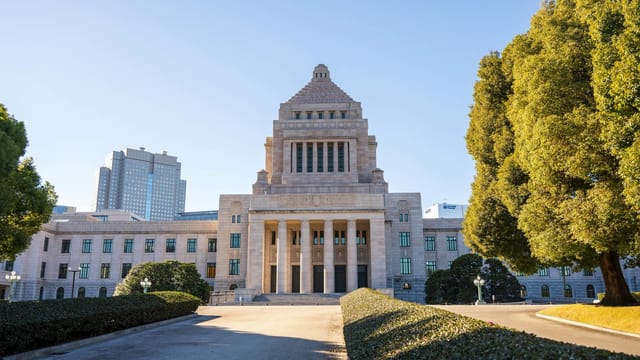
Echoes of the Tokko: Japan’s Intelligence Overhaul Stirs Historical Ghosts
Japan's House of Representatives has approved the creation of a centralized National Intelligence Agency under the Prime Minister's direct control. The move has sparked fierce debate over the potential return of pre-war surveillance tactics and the further erosion of Japan's pacifist defense posture.

Ghosts of the Past, Fears for the Future: Japan’s Youth Confront a Post-Pacifist Reality
Japanese youth and academics are raising significant concerns over the government's move to allow lethal weapon exports and increase defense spending. They fear these policy shifts erode Japan's pacifist identity, damage regional trust, and bypass critical democratic oversight.

Beyond the Shield: The Growing Youth Resistance to Japan’s Military Pivot
Recent shifts in Japan's defense policy, including the relaxation of weapon export bans and constitutional revision efforts, have sparked significant domestic opposition. Led largely by a younger generation concerned with both historical reconciliation and future stability, this movement highlights a deepening divide over Japan’s identity as a pacifist nation in an increasingly volatile region.

Japan’s Lethal Turn: Dismantling the Pacifist Shield in a New Era of Rearmament
Japan has formally lifted its ban on the export of lethal weapons, marking a historic shift in its post-war security posture. The Takaichi administration aims to revitalize the domestic defense industry and strengthen regional military alliances through this controversial deregulation.

Japan’s Lethal Pivot: Tokyo Dismantles Decades of Pacifist Arms Restraints
The Japanese government has approved a landmark revision to its defense export rules, permitting the sale of lethal weapons and finished combat systems to foreign nations. This policy shift marks a historic departure from Japan's post-war pacifism and has sparked significant domestic protest and regional security concerns.

Tokyo’s Martial Pivot: Japan Ends Eight Decades of Restraint to Enter the Global Arms Market
Japan has officially authorized the export of lethal weaponry, marking a definitive end to its decades-old ban on arms sales. This policy shift aims to revitalize Japan's defense industry and strengthen regional alliances against China, while simultaneously testing the limits of its pacifist constitution.
Swords for Sale: Japan Breaks Decades of Pacifist Tradition in Bold Weapons Export Shift
Japan has overhauled its defense export regulations to allow the sale of lethal weapons, marking a historic departure from its post-WWII pacifist stance. The move aims to bolster the domestic defense industry and expand Japan's strategic influence but raises serious concerns regarding regional stability.