
# Middle%20East%20Conflict
Latest news and articles about Middle%20East%20Conflict
Total: 276 articles found
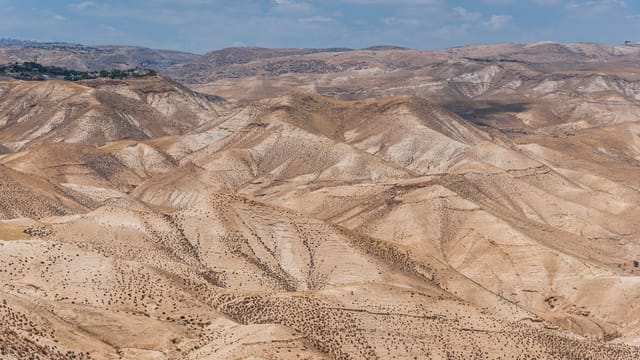
The Mirage of Calm: Israel Digs in as Lebanon’s Ceasefire Cycle Collapses
The IDF has intensified operations in southern Lebanon, citing Hezbollah's repeated violations of a fragile ceasefire agreement that began in April 2026. Amidst high casualties on both sides and a backdrop of regional tension following strikes on Iran, the cycle of temporary truces continues to fail in providing lasting security.

Diplomatic Deadlock and Digital Assets: How Middle East Friction Triggered a $134 Million Liquidation Wave
Cryptocurrency markets saw a sharp rise and massive liquidations as traders reacted to stalled U.S.-Iran negotiations and renewed conflict between Israel and Hezbollah. Despite diplomatic efforts in Switzerland, regional instability continues to drive high-leverage volatility in digital assets.

Testing the Threshold: Fresh Israeli Strikes Threaten Precarious Lebanon Truce
Renewed Israeli airstrikes and drone surveillance in Lebanon have emerged shortly after a ceasefire agreement, signaling a fragile security environment. These actions suggest that military deterrence continues to take precedence over diplomatic pauses in the ongoing regional conflict.
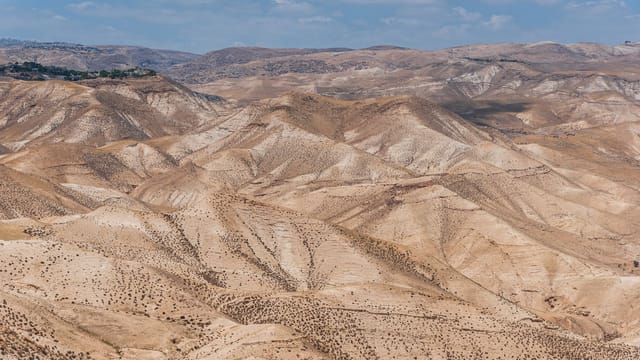
Tehran Accuses Washington of Complicity as Israeli Strikes on Lebanon Destabilize the 'Comprehensive Peace'
Iran has condemned Israeli military actions in Lebanon as terrorist acts and held the United States directly responsible for the escalation. Tehran claims the violence violates a diplomatic understanding regarding a multi-front ceasefire and warns of imminent consequences for regional peace.

The Resilience of the 'Madmen': Chinese Merchants Brave the Rubble of Post-War Iran
Following a devastating regional conflict in early 2026, Chinese private entrepreneurs are returning to Iran to rebuild disrupted trade routes and factories. Despite bombed infrastructure, hyperinflation, and logistical chaos, these merchants view Iran's 80-million-strong market as a high-risk, high-reward alternative to the saturated markets of Southeast Asia.
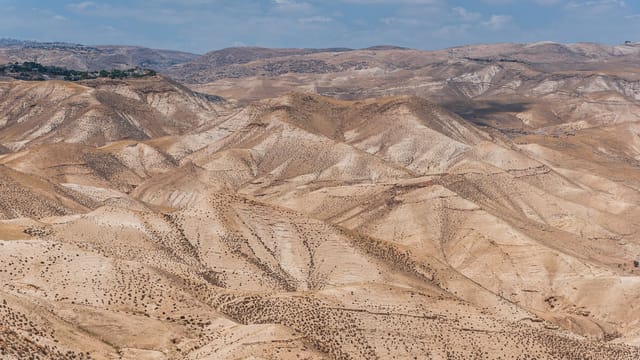
The Long Shadow over the Galilee: Israel’s Deepening Incursion into Southern Lebanon
Israel has escalated its military operations in Southern Lebanon, shifting toward a broader campaign to dismantle Hezbollah's border presence. This intensification marks a failure of recent diplomatic efforts and heightens the risk of a full-scale regional war.
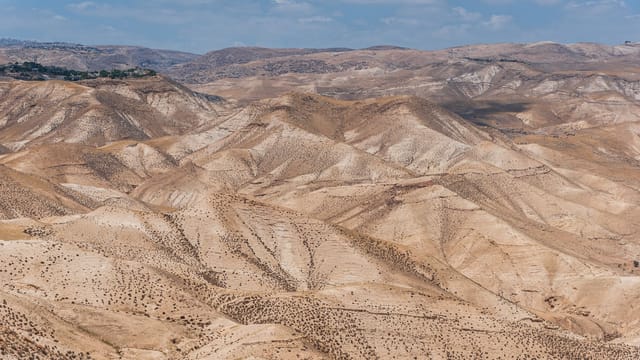
The Looming Shadow: Israel Escalates Operations in Southern Lebanon
Israeli forces have launched an intensified military campaign in southern Lebanon targeting Hezbollah infrastructure. The escalation seeks to create a security buffer for northern Israel but risks a wider regional conflict and a mounting humanitarian crisis.
Escalation on the Blue Line: Lebanon Mourns as Israel Strikes the State’s Sovereignty
A recent Israeli airstrike in Southern Lebanon killed three members of the Lebanese Armed Forces, sparking national outrage and high-level diplomatic condemnation. The incident signals a potentially broader expansion of the conflict that risks drawing the official Lebanese military into direct confrontation with Israel.

Netanyahu’s Final Stand: The Israeli Premier Gambles on Time and Trump
Benjamin Netanyahu has officially confirmed his candidacy for the next Israeli election, despite a 61% disapproval rate and public skepticism from Donald Trump. He is currently pursuing a strategy of delay, hoping that high-profile diplomatic events in September will reverse his political fortunes.

Brinkmanship in the Gulf: Trump’s 'Coercive Diplomacy' Risks a Global Shipping Meltdown
A massive escalation between the US and Iran has led to the closure of the Strait of Hormuz and direct military strikes on Iranian infrastructure. The shift from diplomacy to 'coercive strike' tactics reflects a failure to manage regional proxies and a resurgence of maritime instability affecting global trade routes.

Escalation in the North: Israeli Airstrikes on Sidon and Tyre Signal a Deeper Lebanese Crisis
Israeli airstrikes in Southern Lebanon killed at least 18 people on June 10, targeting major urban centers including Sidon and Tyre. This escalation underscores the growing risk of a broader regional war as diplomatic solutions remain elusive.
Middle East Brinkmanship: The Fragile Stalemate of 'No War, No Peace' Between Washington and Tehran
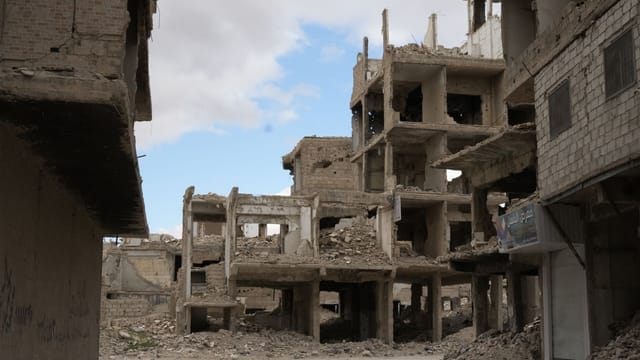
A major military escalation between the U.S. and Iran has pushed the Middle East to the brink of open conflict, following a series of retaliatory strikes across multiple borders. Despite the violence, backchannel negotiations via Qatar continue as both sides navigate a dangerous 'no war, no peace' deadlock.