
# Middle%20East%20Diplomacy
Latest news and articles about Middle%20East%20Diplomacy
Total: 38 articles found

The Border Gambit: Why Israel is Finally Ready to Talk with Lebanon
Israel’s sudden agreement to negotiate with Lebanon reflects a strategic pivot driven by military exhaustion and intense international diplomatic pressure. This shift suggests a move toward de-escalation in the north, aiming to resolve long-standing border disputes that have displaced thousands of civilians.

A Diplomatic Sea Change: Israel and Lebanon Pivot to Direct Negotiations
Prime Minister Benjamin Netanyahu has authorized direct talks with Lebanon, with the first session scheduled for next week in the United States. This unprecedented move aims to resolve long-standing security and territorial disputes through face-to-face diplomacy rather than indirect intermediaries.
The Islamabad Gambit: China’s Strategic Blueprint for a US-Iran Thaw
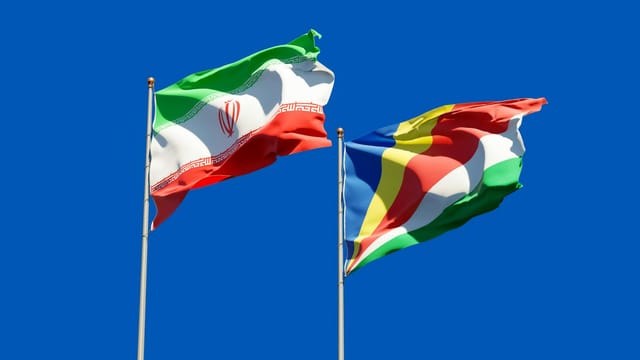
A two-week ceasefire between the U.S. and Iran has been established to facilitate negotiations in Islamabad, centered on the reopening of the Strait of Hormuz. Supported by a new Five-Point Initiative from China and Pakistan, the diplomatic effort seeks to protect critical infrastructure and establish a normative framework for regional de-escalation.
The Islamabad Gambit: Trump and Tehran Gird for a Decisive Diplomatic Push
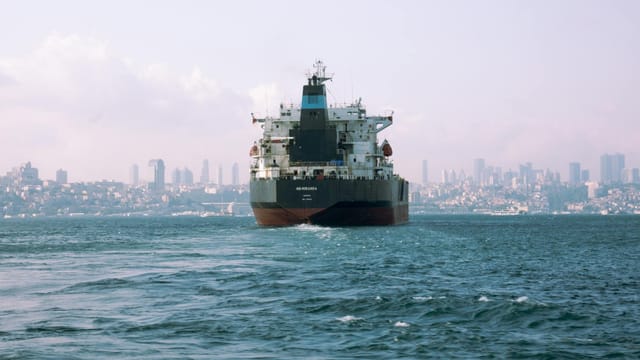
The Trump administration is coordinating face-to-face negotiations with Iranian officials in Islamabad, Pakistan, following a two-week ceasefire agreement. The high-level talks, involving J.D. Vance and Jared Kushner, aim to secure a long-term resolution to the conflict and ensure the stability of the Strait of Hormuz.
Pakistan Emerges as the Unlikely Power Broker in Trump’s Middle East Detente
President Donald Trump’s recent ceasefire announcement regarding the U.S.-Israel-Iran conflict followed strategic consultations with Israeli and Pakistani leadership. Pakistan's Army Chief General Asim Munir has been identified as the critical liaison between Washington and Tehran, marking a significant shift in regional mediation efforts.

Brinkmanship and Backchannels: Trump Sets a Zero-Hour Deadline for a New Iran Accord
President Trump has announced a potential deal with Iran by April 7, mediated through both regional allies and direct personal backchannels involving Jared Kushner. The diplomatic push is accompanied by severe military threats against Iranian infrastructure should the negotiations collapse or the Strait of Hormuz be closed.

Cracks in the Alliance: Vice President Vance Challenges Netanyahu’s Iran Strategy
Vice President Vance has reportedly criticized Israeli PM Netanyahu for exaggerating the likelihood of regime change in Iran. This rift highlights a growing divide as Vance leads ceasefire efforts that Israel is allegedly attempting to disrupt.

Cracks in the Alliance: Vance Rebukes Netanyahu Over ‘Optimistic’ Iran Strategy
Vice President JD Vance has reportedly criticized Prime Minister Benjamin Netanyahu for overestimating the likelihood of regime change in Iran and downplaying the difficulty of the current conflict. As Vance takes the lead in ceasefire negotiations, allegations have surfaced that Israel is attempting to undermine U.S. diplomatic efforts.

Tehran’s Strategic Defiance: Decoding the Shift from Surrender to Stalemate
Iranian Foreign Minister Araghchi has characterized the U.S. shift toward negotiation as an admission of military failure, rejecting a 15-point peace plan in favor of 'continued resistance.' While Washington maintains a 4-6 week timeline for concluding military operations, Tehran is leveraging its control over the Strait of Hormuz and utilizing third-party intermediaries to project strength amidst the stalemate.
Trump’s Grand Bargain or Maximum Pressure? The High-Stakes Gambit for an Iran 'Deal'
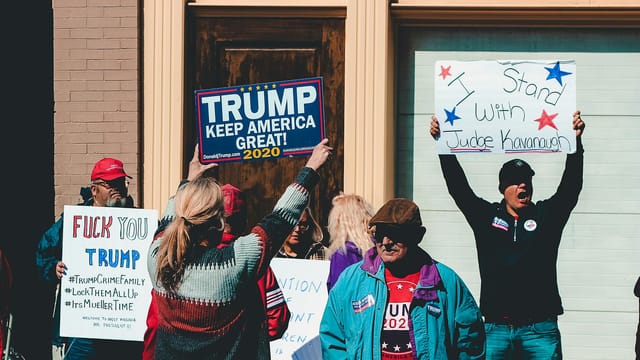
President Trump has proposed a deal-based resolution to achieve U.S.-Israeli 'war goals' in Iran, citing recent military successes as leverage. However, Prime Minister Netanyahu remains focused on kinetic operations, including the assassination of nuclear scientists, while Iran officially denies direct negotiations despite receiving U.S. messages through intermediaries.
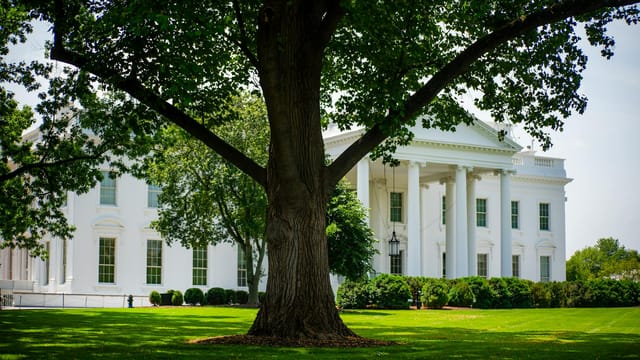
A Five-Day Reprieve: Beijing Navigates Trump’s Brinkmanship in the Middle East
China has called for an immediate ceasefire following President Trump's decision to delay strikes on Iranian power facilities for five days. Beijing expressed deep concern over regional instability while Washington explores secretive diplomatic channels with Tehran.
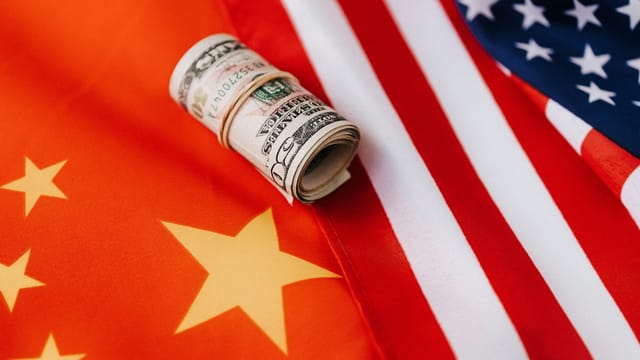
Beijing’s Balancing Act: China’s Mideast Envoy Convenes with Israeli Ambassador Amid Rising Regional Heat
Chinese Special Envoy Zhai Jun met with the Israeli Ambassador to discuss escalating tensions in the Middle East. The meeting highlights China's ongoing efforts to project itself as a neutral mediator and a responsible global power in a volatile region.