
# Missile%20Defense
Latest news and articles about Missile%20Defense
Total: 54 articles found

Tehran’s Uneasy Truce: IRGC Signals Deterrence as Missile Capacity Rebounds
Following a significant military escalation earlier in 2026, IRGC officials now claim that while the immediate risk of war with the U.S. is low, Iran has restored 90% of its missile capacity. Tehran is framing the current maritime standoff as a strategic defeat for Washington, particularly regarding the security of the Strait of Hormuz.
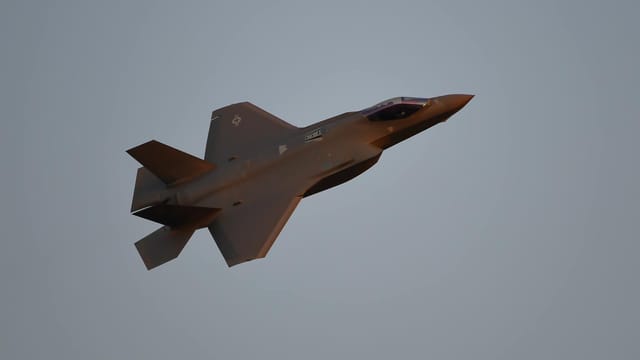
The Price of Precision: US PrSM Debut in Iran Signals a Lethal New Era of Urban Warfare
Iran reports heavy civilian casualties following the first combat use of the U.S. Lockheed Martin Precision Strike Missile (PrSM) near IRGC facilities. The strike, characterized by high-fragmentation airburst technology, has raised urgent questions regarding the humanitarian implications of 'precision' warfare in urban corridors.
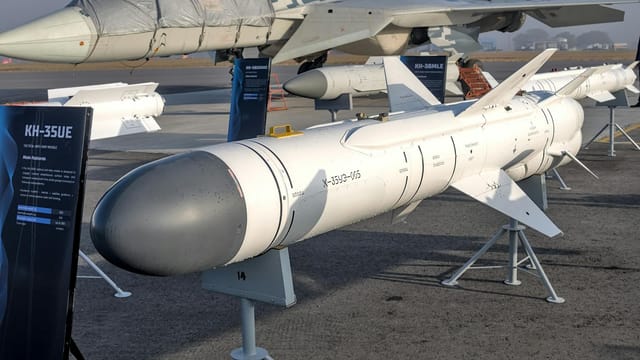
The Arsenal That Won’t Die: Intelligence Reports Challenge Claims of Iran’s Military Attrition
Contrary to political claims of total degradation, NATO and U.S. intelligence reports indicate that Iran retains 60% to 70% of its pre-war missile inventory. The resilience of Tehran's underground infrastructure has allowed for rapid repairs and continued assembly, ensuring a sustained threat to regional stability.

The Resilient Arsenal: Why Intelligence Reports Contradict Claims of Iran’s Military Decline
Intelligence reports from NATO and the U.S. indicate that Iran retains 60% to 70% of its pre-war missile inventory despite sustained military pressure. These findings contradict political claims of the arsenal's destruction, highlighting the effectiveness of Iran's underground storage and repair capabilities.
The Lean Deterrent: Why Some Western Analysts Argue the U.S. Should Mimic China’s Missile Strategy
Analyst Philip Pilkington suggests the U.S. should adopt China's 'minimal deterrence' nuclear model and conventional missile focus to reduce costs and the risk of accidental war. This strategy would involve moving from an interventionist 'imperial' military posture to a more cost-effective 'defensive island' model focused on survival and credible secondary strikes.

A Shield Over the Sands: Israel’s Iron Dome Takes Guard in the UAE
U.S. officials have confirmed the historic deployment of Israel’s Iron Dome air defense system and military personnel in the United Arab Emirates. The system has already been utilized to intercept Iranian missile strikes, marking a major milestone in the military integration of the Abraham Accords.
Closing the Shield: China’s New Naval Defense System Signals Shift Toward High-Intensity Maritime Attrition
China has completed testing of a new naval terminal defense system designed to counter hypersonic missiles and drone swarms. The system focuses on multi-layered integration and cost-effective interception, preparing the PLA Navy for high-intensity, asymmetric maritime conflict.
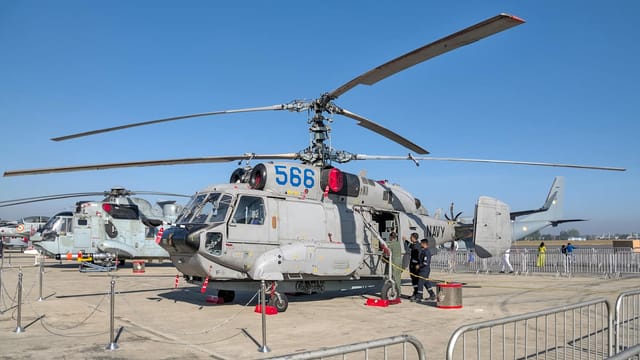
Beijing’s Digital Shield: What the Censored Reveal of China’s New Naval Defense System Signals
The Chinese Navy has unveiled a new terminal air defense system featuring advanced command interfaces that were intentionally blurred in public footage. This reveal highlights China's focus on countering saturation attacks and enhancing the survivability of its fleet through high-tech fire-control integration.

Shadows of 1945: Japan’s Missile Tests in the Philippines Stir Memories of Imperial Brutality
Japan's recent firing of surface-to-ship missiles in the Philippines marks its first offensive military exercise abroad since WWII, sparking intense historical reflection and local protest. The move highlights the tension between Manila's modern security alignment with Tokyo and the lingering trauma of the Japanese occupation and the Manila Massacre.

Rubio’s $26 Billion Gambit: Washington Accelerates the Arming of the Middle East
U.S. Secretary of State Marco Rubio has emergency-approved a massive $25.8 billion arms deal for five Middle Eastern nations, tripling previous estimates. The package focuses on air defense interceptors, signaling a major push to build an integrated security shield against regional threats.
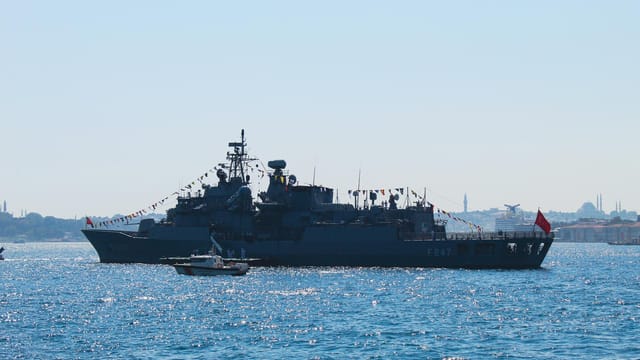
Strategic Silence: Deciphering the Reported Missile Exchange in the Strait of Hormuz
Reports of a missile encounter in the Strait of Hormuz indicate a significant escalation in U.S.-Iran tensions and the fragile state of global energy security. This incident showcases Iran's willingness to use its missile capabilities to challenge American naval hegemony in a region vital for global oil transit.
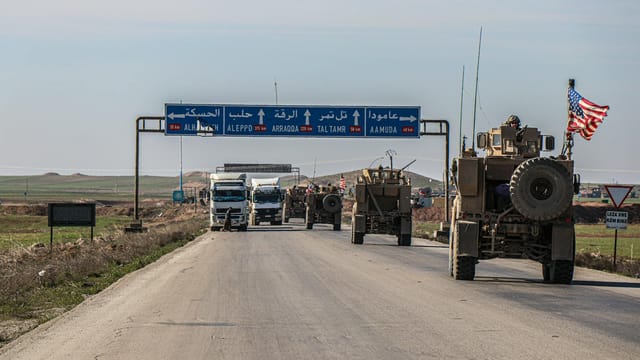
Bypassing the Hill: Washington Invokes Emergency Powers for an $8.6 Billion Middle East Arms Surge
The US State Department has authorized over $8.6 billion in arms sales to Israel, Qatar, Kuwait, and the UAE by invoking an emergency waiver to bypass Congressional review. The deal focuses on precision munitions and missile defense, reflecting a strategic push to bolster regional deterrence amid heightened tensions.