
# Persian%20Gulf
Latest news and articles about Persian%20Gulf
Total: 93 articles found
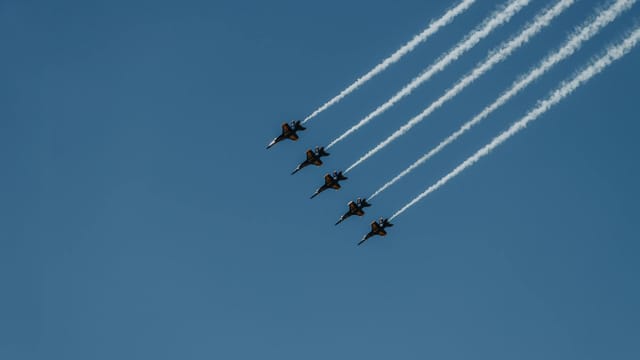
The Return of Maximum Pressure: Trump Issues Lethal Warning to Iranian Naval Forces
Donald Trump has authorized the U.S. military to destroy any Iranian fast attack craft approaching blockade zones, marking a significant escalation in Gulf tensions. This directive shifts U.S. policy toward active neutralization of Iranian asymmetric naval threats, raising the risk of a direct kinetic conflict.
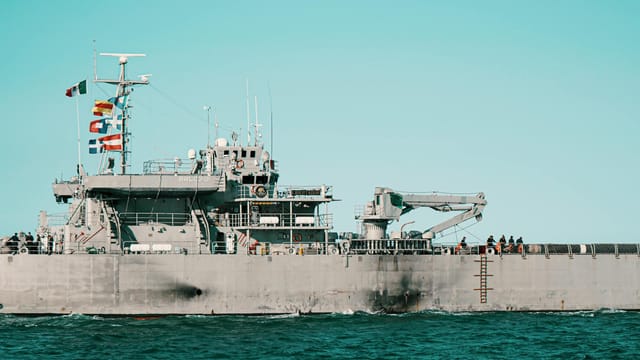
Naval Chess: Washington’s High-Stakes Maritime Blockade of Iran
The United States has deployed a 16-ship naval task force to the Middle East to enforce a newly announced blockade of Iranian ports. While the fleet currently remains outside the Persian Gulf, the move signals a major escalation in maritime pressure against Tehran.
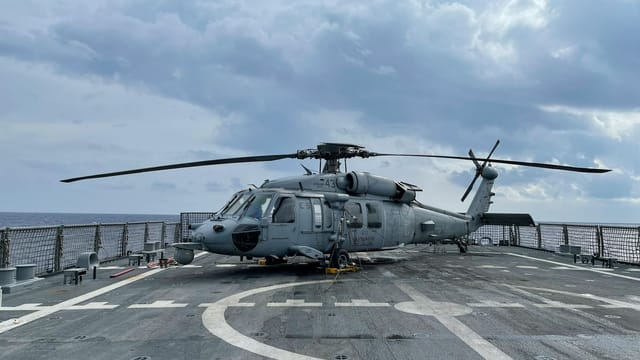
Stranglehold in the Gulf: Washington Imposes Total Maritime Blockade on Iranian Ports
The US Central Command has announced a total maritime blockade on all Iranian ports starting April 13, 2026, acting on a presidential directive. The move targets all international vessels trading with Iran while attempting to maintain transit for non-Iranian traffic through the Strait of Hormuz.

Navigating the Gauntlet: US Naval Transit Through Hormuz Signals Shift in Post-Conflict Posture
For the first time since the 2026 conflict with Iran began, US Navy warships have transited the Strait of Hormuz. The move is a strategic attempt to reassert maritime freedom and secure global energy corridors in a highly volatile post-war environment.
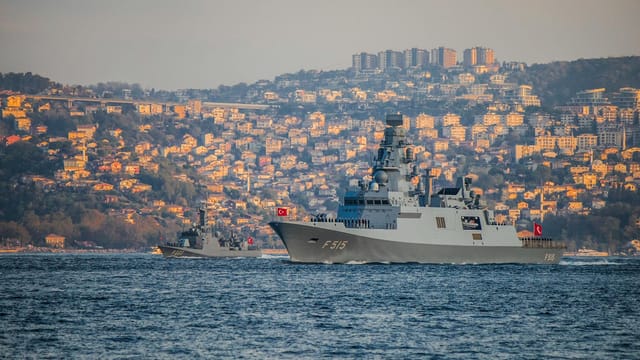
Testing the Waters: U.S. Navy Transit Through Hormuz Signals a High-Stakes Pivot in the Iranian Conflict
The U.S. Navy has conducted its first transit of the Strait of Hormuz since the start of the Iranian conflict, marking a significant escalation in maritime posturing. This move is designed to secure critical global energy corridors and challenge Iran's efforts to control the strategic waterway.

Sky-High Diplomacy: Pakistan Deploys Fighter Jets to Escort Iranian Envoys for Landmark US Talks
Pakistan has deployed fighter jets and AWACS to escort an Iranian diplomatic mission to Islamabad for historic face-to-face talks with the United States. This unprecedented security operation underscores Pakistan's role as a key mediator and reflects a significant shift in regional diplomatic dynamics.

Islamabad’s High-Stakes Escort: Pakistani Jets Shield Iranian Envoys Ahead of Landmark US Talks
The Pakistan Air Force has initiated an unprecedented mission to escort Iranian diplomats into Islamabad for historic talks with the United States. This military-backed diplomatic effort underscores Pakistan's evolving role as a central mediator in Middle Eastern security and global diplomacy.

Brinkmanship in the Gulf: Tehran’s Counter-Ultimatum and the Fraying of American Deterrence
A high-stakes standoff between the Trump administration and Iran has reached a fever pitch, with both sides issuing conflicting 'final' deadlines. While Washington threatens devastating airstrikes, Tehran’s counter-demands and signs of internal U.S. military dissent suggest a deepening strategic quagmire for the White House.

A Strike at the Jugular: Explosions at Kharg Island Threaten Iran’s Oil Lifeline
Multiple explosions have been reported at Iran's Kharg Island, the country's most critical oil export hub. The attack threatens to sever Iran's primary economic artery and has caused immediate volatility in global energy markets.

Escalation in the Strait: Iranian Missile Barrage Forces U.S. Naval Pivot
A major Iranian missile and drone barrage has targeted a U.S. amphibious assault ship, marking a significant escalation in a prolonged cycle of regional violence. The incident has forced a tactical retreat of American naval assets, highlighting the growing effectiveness of Iran's asymmetric maritime strategies.

Cracks in the Canopy: US Air Losses Over the Persian Gulf Signal a Strategic Shift
The loss of two US fighter jets and damage to rescue helicopters in the Persian Gulf indicates that Iran's air defense systems remain highly effective. These incidents highlight the increasing vulnerability of aging US airframes like the F-15E and A-10 against modern regional powers.

Brinkmanship in the Gulf: Iran Rebuffs U.S. Ceasefire Overture After Kuwait Base Strike
Iran has rejected a 48-hour ceasefire proposal from the United States, opting instead to intensify military operations following a successful strike on a U.S. warehouse in Kuwait. The standoff marks a significant escalation in the Persian Gulf, with Tehran interpreting Washington's diplomatic overture as a sign of tactical weakness.