
# Red%20Tourism
Latest news and articles about Red%20Tourism
Total: 37 articles found
The Xi’an Incident: A Turning Point in China’s Survival and the CCP’s Modern Historical Narrative
This retrospective examines the 1936 Xi’an Incident and its enduring legacy as the catalyst for the Second United Front against Japan. By analyzing the strategic maneuvers of the CCP and the subsequent museumification of the event, the article highlights how this historical turning point continues to shape modern Chinese political narratives.
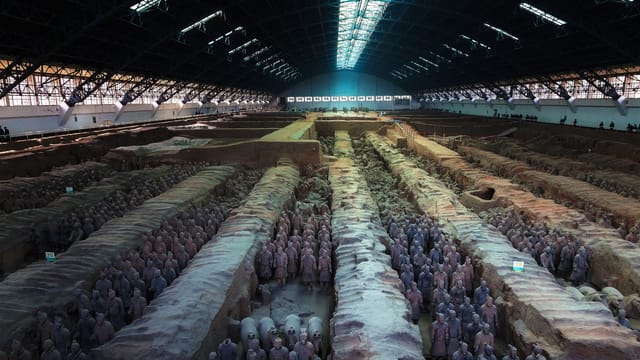
The Pivot of Xi’an: Re-evaluating the 1936 Mutiny that Forged Modern China
This article explores the historical significance of the 1936 Xi'an Incident, examining how a daring mutiny forced a temporary alliance between the Nationalists and Communists against Japanese aggression. It also analyzes the modern preservation of these historical sites as tools for patriotic education and national narrative-building in contemporary China.
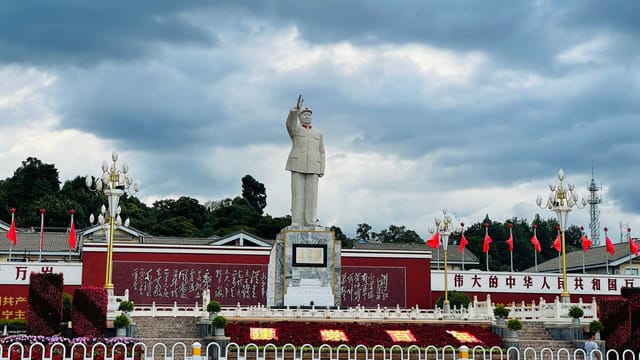
The Mountain Cradle: Why Jinggangshan Remains the Bedrock of Communist Party Legitimacy
This report examines the historical significance of the Jinggangshan revolutionary base and its contemporary role in China's state-led 'Red Tourism' and ideological education programs. It highlights how the CCP's early shift to rural warfare and land reform created a blueprint for its eventual victory and current legitimacy.
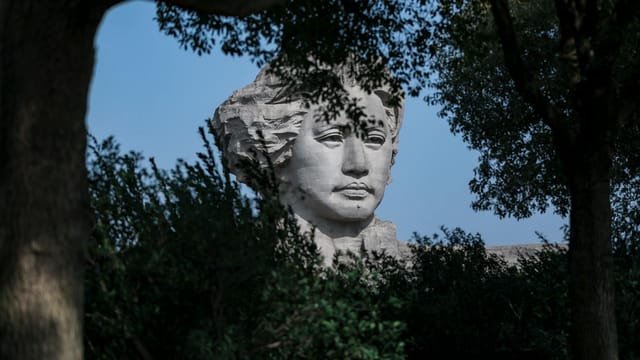
Echoes of the Spark: Reanimating the Rural Roots of China’s Revolution
The Chinese Communist Party is intensifying its focus on the Jinggangshan revolutionary base as a tool for modern ideological education. By highlighting the strategic shift from urban to rural warfare in 1927, the party seeks to ground its historical legitimacy in a narrative of survival and peasant-led reform.
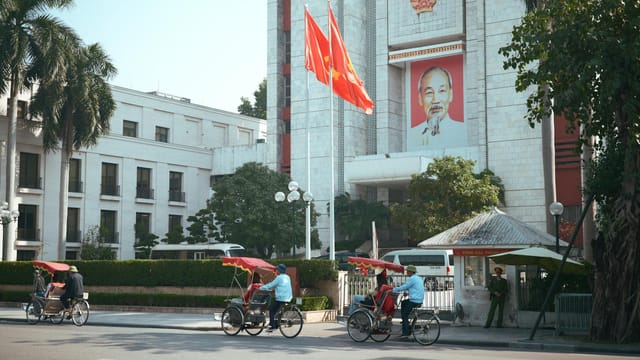
The Politics of Nostalgia: Revolutionary History and the Future of Sino-Vietnamese Ties
A delegation of Vietnamese youth visited Ho Chi Minh’s former residence in Kunming, highlighting the shared revolutionary history between China and Vietnam. The event demonstrates Beijing's strategic use of historical nostalgia and 'Red Tourism' to foster ideological alignment and stabilize bilateral ties with its southern neighbor.
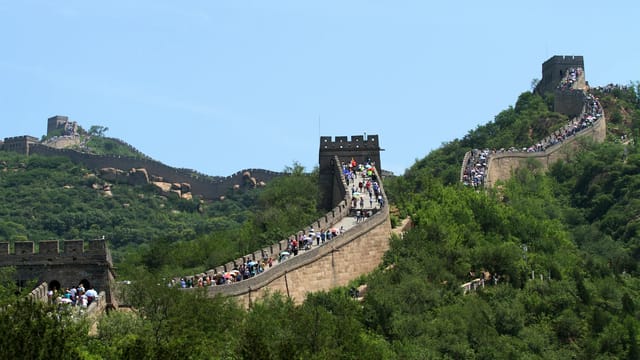
The Long March as Modern Mantra: Beijing’s Persistent Pursuit of Revolutionary Legitimacy
State media coverage of the Long March Memorial in Jiangxi highlights the CCP's ongoing efforts to leverage revolutionary history as a tool for modern ideological unity. The narrative frames historical struggles as a template for overcoming contemporary geopolitical and economic challenges.
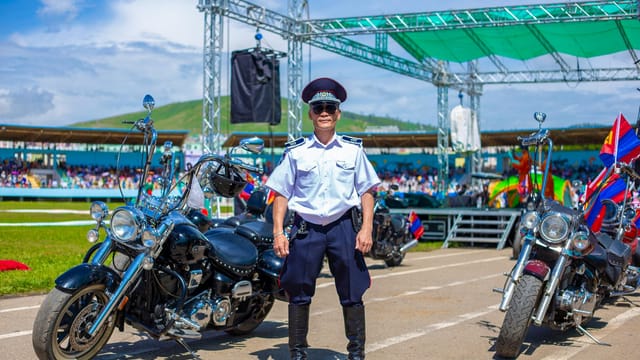
The New Guardians of History: How China’s Military is Shaping the Revolutionary Narrative
Young soldiers from the People’s Armed Police served as historical guides at the Zunyi Meeting site on Youth Day, blending military duty with ideological storytelling. The initiative aims to modernize patriotic education and reinforce the Communist Party's foundational myths for a contemporary audience.
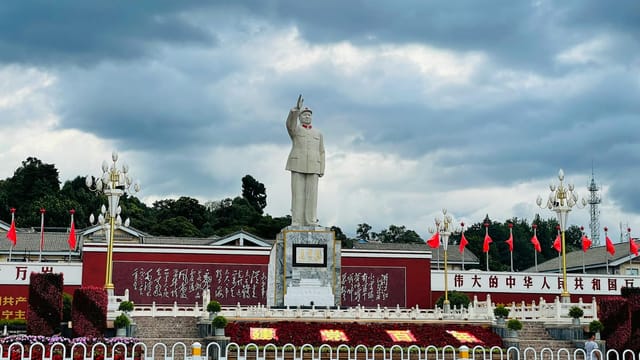
Fortress of Memory: China’s Strategic Preservation of the Taiyuan Campaign
The renovation of the Niutuozhai memorial in Taiyuan highlights China's ongoing efforts to institutionalize revolutionary history through 'Red Tourism' and patriotic education. By memorializing the brutal 1948 siege and its heavy human cost, the state reinforces the narrative of sacrifice as the foundation of modern prosperity.
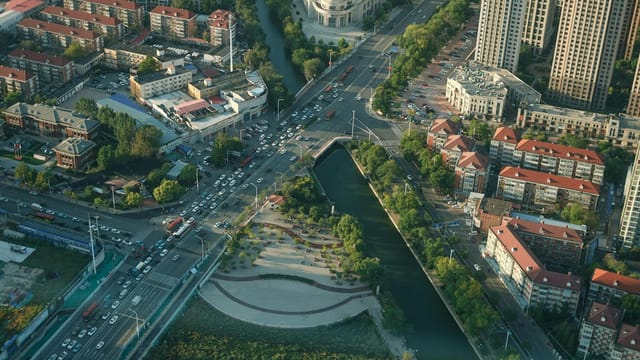
Red Martyrdom Meets Modern Growth: Yiyang’s Strategy to Build the ‘Lovely China’
Yiyang County is leveraging the legacy of revolutionary martyr Fang Zhimin to drive a dual agenda of ideological revitalisation and 'high-quality' economic growth. By blending traditional loyalist values with modern industrial policy and immersive tourism, the county has become a model for the CCP's vision of 'Modern China.'

Red Heritage and Industrial Ambition: How Fang Zhimin’s Hometown is Reshaping the ‘Beloved China’ Ideal
Yiyang County is leveraging its status as the hometown of revolutionary martyr Fang Zhimin to drive a dual-track strategy of 'Red Tourism' and high-tech industrial growth. By integrating revolutionary history with modern economic development, the region aims to manifest the prosperous future envisioned in early 20th-century literature.

Echoes of the Rails: China’s Revolutionary Pedagogy and the Cult of the Railway Guerrilla
During the Qingming Festival, high-profile commemorations for the legendary Railway Guerrillas in Shandong highlight China's ongoing 'Patriotic Education' campaign. The event serves to link wartime revolutionary sacrifice with modern national identity and youth indoctrination.

Vocalizing Valor: The Strategic Cultivation of ‘Red Inheritance’ in Rural China
The descendants of Red Army veteran He Mulin in Guizhou continue a four-generation tradition of revolutionary songs, illustrating the CCP's strategic emphasis on 'Red Inheritance.' This local story highlights how personal family histories of the Long March are used to reinforce national ideological continuity and party legitimacy.