
# Russia
Latest news and articles about Russia
Total: 42 articles found
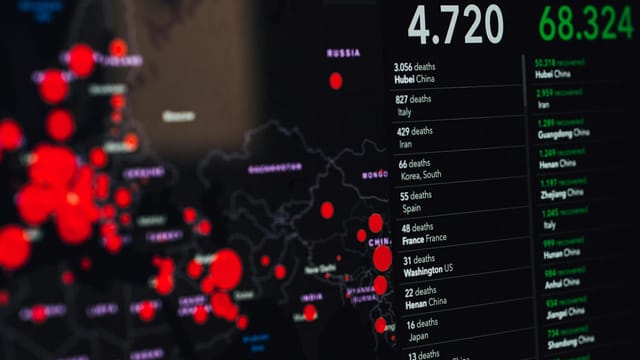
US Warplanes Mass Near Iran as Diplomatic Talks Stall — A Wider China–Russia Test Looms
US deployments of A-10s, F-15Es and supporting assets to the Middle East have intensified after stalled Oman talks with Iran, signalling a retained option for military action. Tehran's consultations with China and Russia, combined with Israeli pressure and US economic tightening, raise the risk of broader regional and geopolitical escalation rather than a contained strike.

Why Iran Has Few Friends: The Three Contradictions That Keep It Isolated
Iran’s limited friendship network stems from three intertwined contradictions: its revolutionary export and proxy strategy, the trade-off between security confrontation and economic dependence, and transactional ties with major powers rather than deep alliances. Domestic factionalism and fragile regional detente make lasting normalization unlikely, with consequences for regional stability and global policy choices.

Munich Aftermath: Transatlantic Alliance Intact but the Old Order Is Dead
At the Munich Security Conference, warm rhetoric from the U.S. masked deep policy disagreements that have hollowed out the post‑Cold War transatlantic order. European leaders, while publicly affirming ties with Washington, are openly exploring greater strategic autonomy — including talks about a shared or independent nuclear deterrent — in response to perceived U.S. unpredictability.

Starmer Sends Carrier to the High North: Britain Reasserts Naval Muscle and NATO Resolve
At the Munich Security Conference, UK Prime Minister Keir Starmer announced a carrier strike group, including HMS Prince of Wales, will deploy to the North Atlantic and the High North this year. The move is intended as a signal of NATO resolve, a prompt to European defence cooperation and a demonstration of Britain’s post‑Brexit security role, while also heightening strategic competition in the Arctic.

US Signals Readiness to Re‑MIRV ICBMs and Re‑enable B‑52 Nuclear Role After New START Lapse
The U.S. Air Force says it stands ready to reintroduce MIRVs on land‑based ICBMs and to restore full nuclear capability to the B‑52 fleet following the expiration of the New START treaty. The move signals deterrence intent but also risks provoking reciprocal modernization from Russia and China and complicates prospects for renewed arms control.

NATO’s 'Arctic Sentinel' Risks Becoming Political Rebranding Rather Than New Strategy
NATO launched the “Arctic Sentinel” operation on 11 February to unify allied activities in the Arctic and the High North after tensions sparked by U.S. President Trump’s remarks about Greenland. Critics argue the move is largely political symbolism intended to placate Washington and repackages existing efforts rather than creating new military capability.

NATO Launches 'Arctic Sentinel' to Centralize Command and Boost Presence in the High North
NATO has launched "Arctic Sentinel," a multi‑domain operation led by Joint Force Command Norfolk to centralize allied command and strengthen presence across the Arctic and High North. The initiative reflects growing strategic competition in the region and a desire to improve coordination among Nordic and NATO partners in a challenging operational environment.
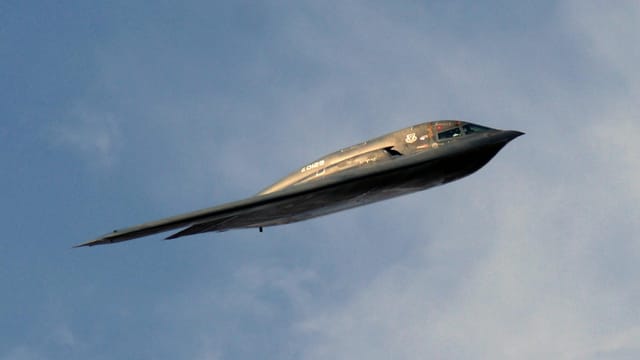
U.S. Signals Readiness to Re‑MIRV ICBMs and Reactivate B‑52 Nuclear Role as New START Expires
The U.S. Air Force says it is prepared to reintroduce MIRVs on Minuteman ICBMs and restore B‑52 nuclear carriage now that New START has lapsed. Those options, while technically reversible, broaden U.S. military choices and risk provoking reciprocal moves by Russia and China, complicating arms‑control prospects.
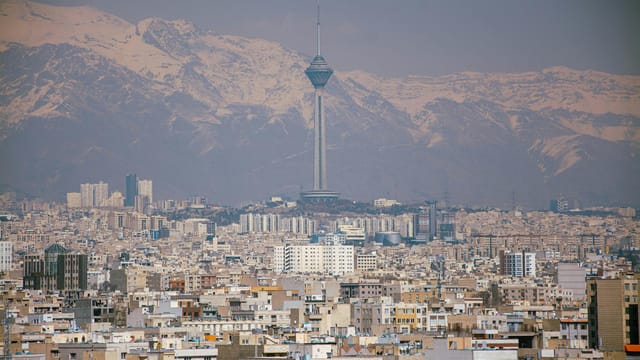
Trump’s Final Warning to Tehran: Military Pressure, Israeli Backing and a Russian Plea for Restraint
President Trump warned on February 10 that Washington would use military force if Iran does not agree to a tougher nuclear framework that also curbs missiles and regional proxies. Israel has reinforced US resolve by sharing intelligence, while Iran vows destructive retaliation and Russia urges diplomacy to avoid wider war.

Iran Rejects ‘Zero Enrichment’ Demand, Flashes Missile Muscle and Seeks Backup from China and Russia
After secret talks in Oman, Iran has rejected U.S. demands for a complete halt to uranium enrichment and set strict red lines excluding missiles and regional influence from negotiations. Tehran’s public briefing to Russia and China and a high‑profile missile display signal it is preparing for both diplomacy and deterrence, raising the stakes for Washington and its allies.
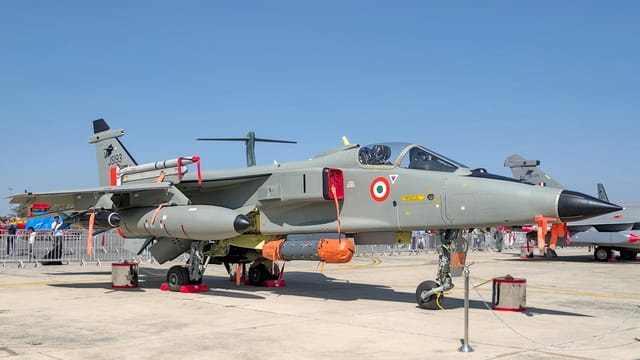
Washington Rewrites the Rules of the Arms Market: Prioritising Spending and Strategic Value
On February 6, 2026, the U.S. replaced its long-standing "first-come, first-served" approach to arms sales with a policy prioritising high defence spenders and partners deemed strategically important. The shift tightens the link between weapons exports and U.S. national interest, reshaping alliance dynamics and the global arms market.

Empty Talks, Immediate Pressure: How a Failed US–Iran Meeting Exposed a Wider Geo‑Strategic Game
A recent round of US–Iran talks ended without agreement, and Washington immediately escalated economic pressure while Tehran moved to shore up ties with China and Russia. Deep divides over negotiation scope, nuclear baselines, and mutual distrust make a quick resolution unlikely and favour a prolonged strategic contest.