
# Sanae%20Takaichi
Latest news and articles about Sanae%20Takaichi
Total: 89 articles found

A New Geopolitical Chill: Beijing Plays the Seoul Card Against a Rearming Tokyo
As Japan’s Takaichi administration pushes for increased military capabilities, Beijing is countering by strengthening ties with South Korea’s new progressive government under Lee Jae-myung. This shift marks a significant reversal in regional alliances, with China utilizing historical grievances and trade leverage to isolate Tokyo and weaken the U.S.-led trilateral security framework.
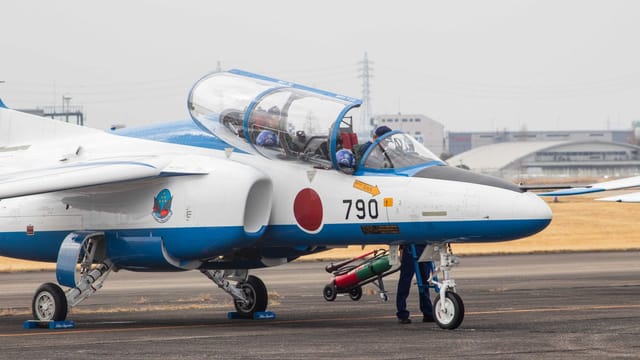
Japan’s Final Frontier: The Transformation of the Air Self-Defense Force into a Space Power
Japan plans to rename its Air Self-Defense Force to the 'Air and Space Self-Defense Force' by late 2026, marking a shift toward orbital defense and enhanced long-range strike capabilities. The move has triggered domestic protests over constitutional concerns and regional alarm regarding the potential for offensive space operations and closer US-Japan integration.
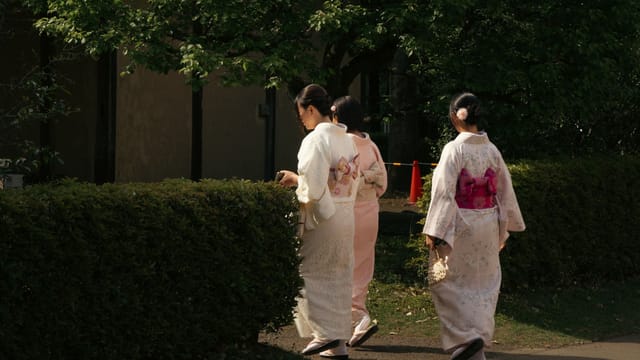
Guns vs. Butter: Protests in Tokyo Signal Domestic Frictions Over Takaichi’s Hawkish Turn
Mass protests erupted in Tokyo against Prime Minister Sanae Takaichi’s military expansion policies and the revision of Japan’s key security documents. Demonstrators linked the increase in defense spending to rising domestic costs of living and expressed fears over the erosion of pacifism and free speech.

The End of Pacifism? Regional Scholars Sound the Alarm Over Japan’s Strategic Pivot
Scholars from across the Asia-Pacific are raising alarms over Japan's rapid shift away from its pacifist constitution under the Takaichi administration. They warn that Tokyo's new offensive capabilities and alliance-building could trigger a regional security dilemma and undermine the stability of the Indo-Pacific.
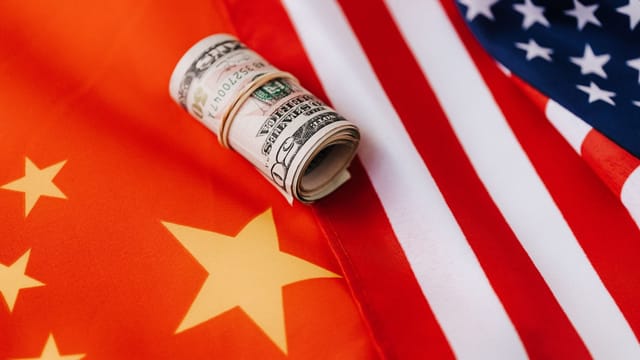
Beijing Sounds Alarm as Tokyo Centralizes Intelligence Power Under Takaichi Administration
China has issued a blistering critique of Japan's new National Intelligence Council bill, labeling it a return to pre-war militaristic structures. Beijing argues the centralization of intelligence power under the Prime Minister's Office lacks oversight and signals a dangerous departure from Japan's pacifist constitution.

The Last of the Liberal Guard: Yohei Kono’s Death and the Vanishing Bridge Between Tokyo and Beijing
The death of veteran Japanese statesman Yohei Kono marks the loss of a critical diplomatic bridge and the author of Japan's most significant historical apology. His passing highlights the shrinking influence of pro-China, 'historical-conscience' politicians within a Tokyo establishment that is increasingly leaning toward nationalism.
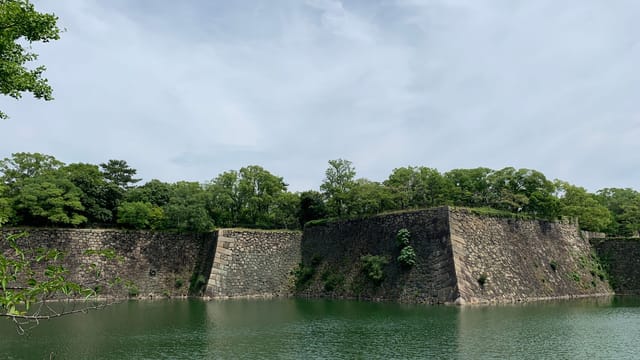
Tokyo’s Strategic Overreach: Takaichi’s Ambitions Collide with Beijing’s Red Line in the Pacific
Japan is aggressively expanding its regional influence and military budget under Prime Minister Sanae Takaichi to counter a perceived U.S. retreat. These moves, including sensitive maritime negotiations with the Philippines, have triggered a sharp response from China and accelerated North Korea's nuclear development.

Takaichi’s Desperate Gambit: Military Drills and Imperial Diplomacy Fail to Mask Japan’s Political Fragility
Prime Minister Sanae Takaichi is employing extreme measures, including mass evacuations in the Ryukyu Islands and the involvement of the Imperial family in diplomacy, to survive a deepening political crisis. Her sudden shift toward a more conciliatory stance with China highlights a desperate attempt to stabilize Japan's regional position as her internal LDP support collapses.

Japan’s Dual Crisis: Beijing’s Strategic Squeeze and the Specter of Demographic Collapse
Japan faces an unprecedented convergence of external economic pressure from China's institutionalized export controls and a severe internal demographic crisis. Prime Minister Sanae Takaichi's administration struggles to balance a hawkish foreign policy against a shrinking labor force and disrupted high-tech supply chains.
Tokyo’s Tactical Pivot: Japan and the Philippines Forge a New Security Vanguard in the Pacific
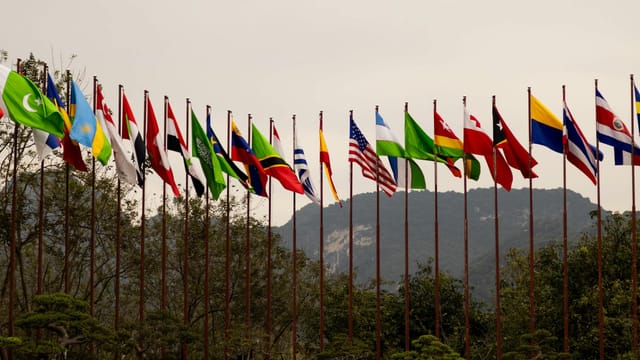
Japan and the Philippines have upgraded their ties to a Comprehensive Strategic Partnership, launching formal negotiations for intelligence sharing and increased defense exports. This shift towards 'minilateralism' aims to solidify a US-Japan-Philippines security axis, though it faces domestic fiscal criticism and regional concerns over escalation.
Tokyo’s Manila Gambit: Japan’s Security Pivot and the Rise of a New ‘Quasi-Alliance’
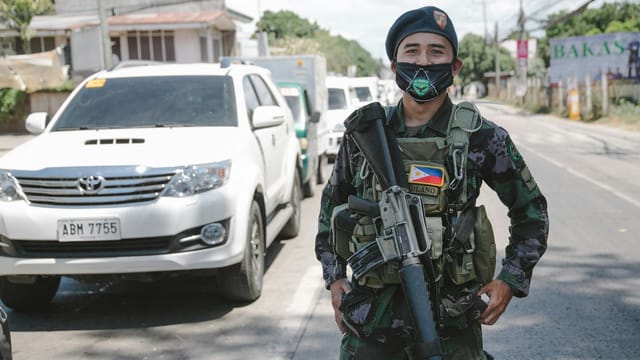
Japan and the Philippines have upgraded their ties to a 'Comprehensive Strategic Partnership,' launching negotiations for intelligence sharing and increased defense exports. This move signals Tokyo's intent to broaden its military influence and build a trilateral security axis with the U.S. and Manila, while simultaneously testing the limits of its domestic pacifist framework.

Tokyo’s Southern Pivot: Japan and the Philippines Forge a New Security Frontier
Japan and the Philippines have upgraded their relationship to a Comprehensive Strategic Partnership, focusing on military intelligence sharing and defense exports. This strategic shift reflects Japan's broader ambition to lead an Indo-Pacific security network, despite concerns regarding regional escalation and domestic fiscal strain.