
# Strait%20of%20Hormuz
Latest news and articles about Strait%20of%20Hormuz
Total: 636 articles found
The Bürgenstock Gamble: Cracks Emerge in the Fragile US-Iran 'Understanding'
The U.S. and Iran are set to sign a memorandum in Switzerland to de-escalate regional tensions, yet the agreement is threatened by fundamental disputes over a $300 billion reconstruction fund and the future management of the Strait of Hormuz.
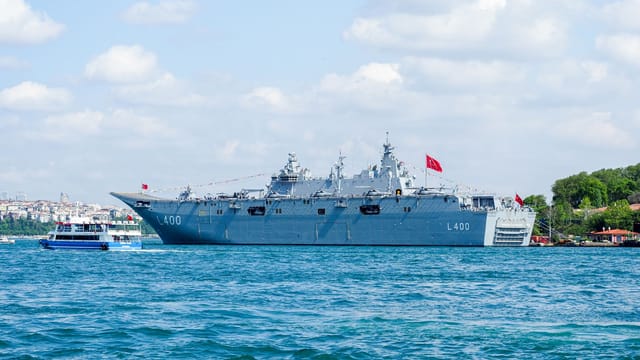
The Unmanned Shield: A Pilot Rescue in Hormuz Reveals the US Navy’s Robotic Future
An Iranian shoot-down of a U.S. Apache helicopter in the Strait of Hormuz necessitated a high-stakes pilot rescue using the Saronic 'Corsair' unmanned surface vessel. This operation highlights the U.S. Navy's accelerating shift toward autonomous systems to counter asymmetric threats and loitering munitions in contested waters.
Trump’s High-Stakes Gamble: Inside the 14-Point US-Iran Provisional Accord
The US and Iran are set to sign a 14-point interim agreement in Switzerland that immediately lifts oil sanctions in exchange for a nuclear freeze and the reopening of the Strait of Hormuz. While the deal offers a 60-day window for a final settlement and involves billions in asset releases, significant disputes over navigation rights and regional proxy conflicts threaten its long-term viability.

The Hormuz Breakthrough: A Fragile Peace of Necessity in the Middle East
The US and Iran have signed a memorandum of understanding to halt regional hostilities and reopen the Strait of Hormuz, providing immediate relief to global energy markets. However, deep-seated mistrust, the potential for Israeli intervention, and the difficulty of upcoming nuclear negotiations cast a shadow over the agreement's long-term viability.
A Fragile Detente in the Gulf: Navigating the Rumors of a US-Iran Accord
A reported diplomatic breakthrough between the U.S. and Iran suggests a potential reopening of the Strait of Hormuz driven by mutual economic exhaustion. While mediated by Pakistan, the deal faces significant hurdles from domestic hardliners and excluded regional allies like Israel.
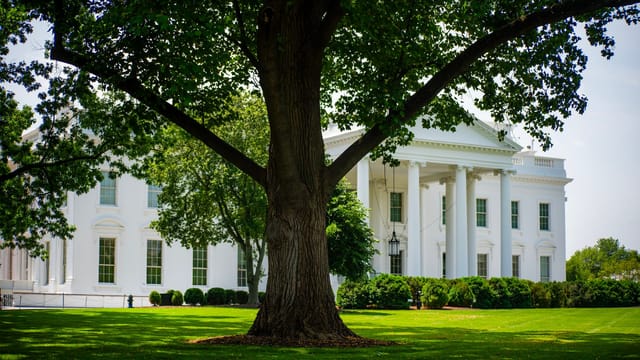
The Swiss Accord: Trump’s High-Stakes Gamble for a New Middle East Order
President Trump has announced a new agreement with Iran aimed at permanent denuclearization, though Iranian officials suggest the initial focus is primarily on sanctions relief and regional de-escalation. The deal faces significant skepticism from Israel and reveals a potential disconnect between Washington's nuclear focus and Tehran's economic priorities.
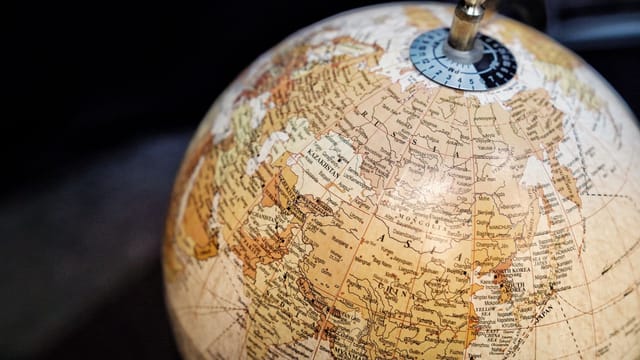
Navigating the Peace: China’s Maritime Interests and the New US-Iran Accord
China is monitoring the security of the Strait of Hormuz following a new diplomatic agreement between the United States and Iran. Beijing emphasizes that the continued safety of its shipping vessels is essential for global energy stability and its own national energy security.
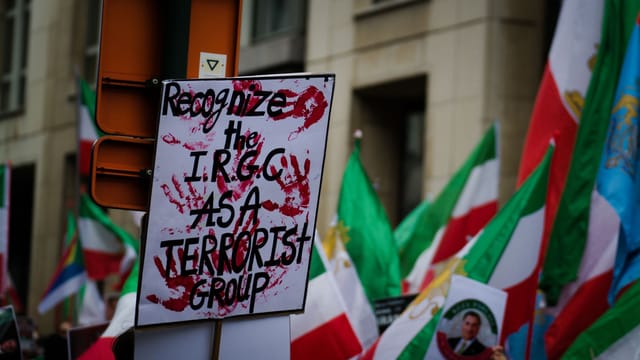
The Rise of 'Iran 3.0': How External Pressure Forged a More Dangerous Adversary
The Iranian regime has transitioned into 'Iran 3.0,' a more aggressive military-led state dominated by the IRGC rather than traditional clerics. This shift, catalyzed by failed Western 'maximum pressure' policies, has created a more defiant and militarily confident adversary in the Middle East.

Trump’s Grand Bargain: A US-Iran Detente Forces a Geopolitical Reckoning for Israel
The United States and Iran have finalized a landmark ceasefire memorandum to be signed in Geneva, including the reopening of the Strait of Hormuz and a $300 billion reconstruction plan. However, the deal has sparked a major rift with Israel, as Netanyahu’s government refuses to withdraw from Lebanon, leading to public friction between Trump and the Israeli leadership.
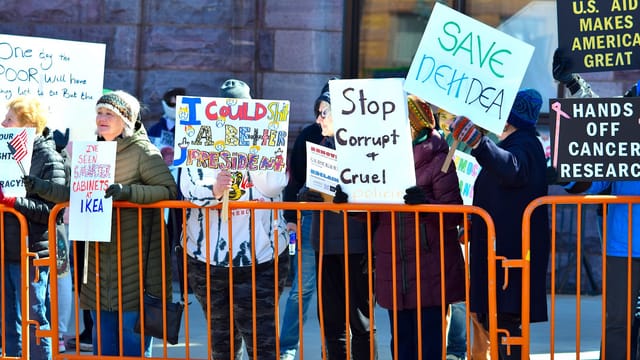
Transaction Over Tradition: Trump Threatens Iran Strike and Demands 'Guardian Fee' for Middle East Security
Donald Trump has issued a stark ultimatum to Iran, threatening military strikes if a nuclear agreement remains elusive. Simultaneously, he has proposed a controversial plan for the U.S. to act as a 'guardian' of the Middle East in exchange for 20% of the region's revenue.
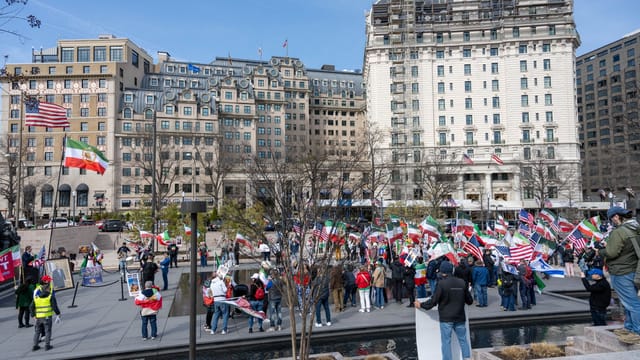
A Thaw in the Persian Gulf? Europe’s “Big Four” Signal Support for New US-Iran Rapprochement
The UK, France, Germany, and Italy have issued a joint statement welcoming a US-Iran memorandum of understanding, offering sanctions relief in exchange for verifiable nuclear de-escalation. The "Big Four" emphasized the necessity of reopening the Strait of Hormuz to stabilize the global economy and urged a swift transition toward a long-term diplomatic resolution.
The Art of the Tehran Deal: Trump Shifts from ‘Zero Enrichment’ to Transactional Realism
President Trump has signaled a major policy shift by dropping the demand for 'zero enrichment' in Iran, proposing instead a limited civilian nuclear program under strict, instantaneous inspections. The potential deal includes a controversial proposal for regional 'protection fees' and aims to secure the Strait of Hormuz, though both Tehran and Jerusalem remain wary.