
# THAAD
Latest news and articles about THAAD
Total: 22 articles found
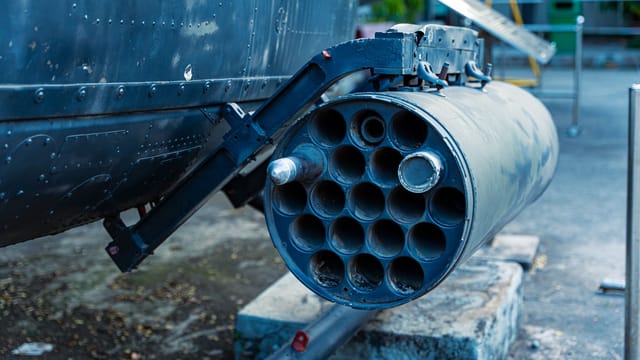
Cracks in the Shield: Iran’s Missile Success in Jordan Signals a Shift in Middle Eastern Deterrence
Recent Iranian missile strikes on the Muwaffaq Salti Air Base in Jordan have exposed significant vulnerabilities in the U.S. Patriot and THAAD defense systems. By successfully neutralizing critical TPY-2 radar units and utilizing maneuvering warhead technology, Tehran has demonstrated an ability to penetrate high-value air defenses in the region.
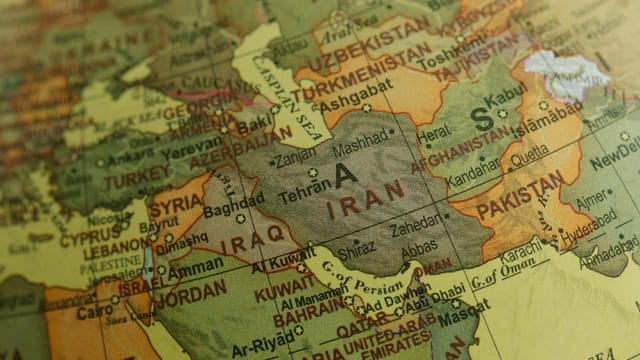
Shattering the Stealth Myth: The Strategic Fallout of Reported F-35 Losses in the Middle East
Recent reports alleging the downing of U.S. F-35 jets and THAAD systems by Iranian forces have sparked a crisis of confidence in American military technology. These claims are driving Gulf allies to diversify their security partnerships, potentially ending decades of U.S. hegemony in the Middle East.
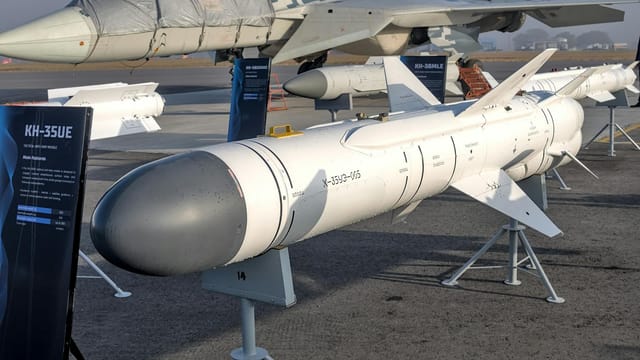
The High Price of Protection: Pentagon Targets $30 Billion to Refill Missile Arsenals
The U.S. Department of Defense is planning a $30 billion expenditure to replenish depleted stocks of Patriot and THAAD interceptors alongside advanced precision missiles. This move follows a period of heavy utilization in operations involving Iran that has pushed current inventories to critical levels.

Asymmetric Attrition: Decoding the High Cost of Iran’s 'True Promise-4' Campaign
A detailed analysis of Iran's 'True Promise-4' operation reveals a multi-stage strategy targeting U.S. and Israeli high-tech assets and logistics. While the operation achieved significant tactical hits on radar systems and command centers, the resulting asymmetric costs have left Iran with devastating human and economic losses.
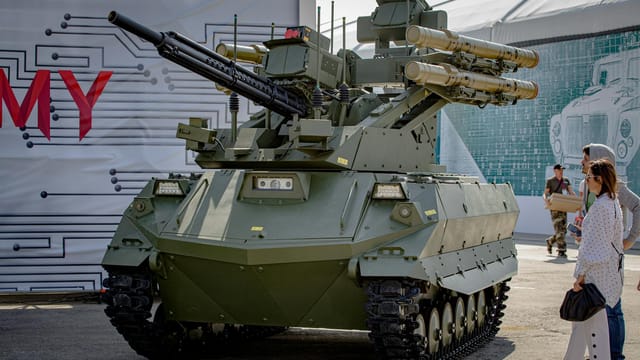
Cheap Strike, Costly Defense: Iran Exposes Gaps in US-Led Middle East Missile Shield
A U.S.-backed missile‑defence network in the Middle East has been undercut by Iranian strikes that damaged key sensors and overwhelmed interceptors. The crisis reveals a growing strategic and economic mismatch: cheap Iranian missiles and drones are eroding the effectiveness and stockpiles of expensive Western interceptors.

Middle East Pulls U.S. Forces, Tests Alliances in Asia — and Hands Beijing a Talking Point
The diversion of U.S. military assets from East Asia to the Middle East has intensified doubts among allies about American reliability and highlighted the strategic risks of host‑nation basing. Seoul and Tokyo face renewed domestic pressure to diversify defence options, while Beijing is leveraging the episode to promote regional security alternatives that reduce dependence on the United States.
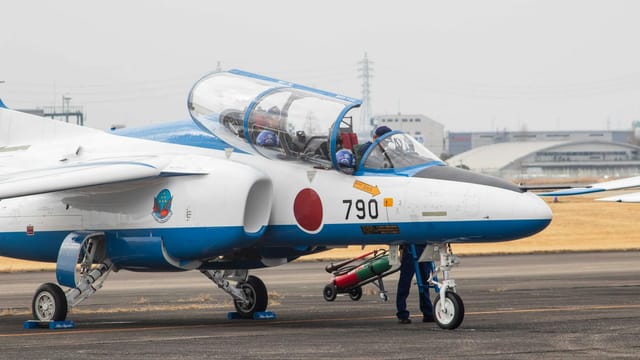
When Washington Looks East to the Gulf: How the Middle East Crisis Is Exposing U.S. Alliances in Asia
The U.S. diversion of air‑defence systems and ships to the Persian Gulf has exposed limits in American alliance guarantees, unsettling South Korea and Japan. The episode underscores the strategic dilemma facing Asian partners: reliance on U.S. forces can create capability gaps and increase political and physical exposure, prompting moves toward greater self‑reliance and regional security reorganisation.
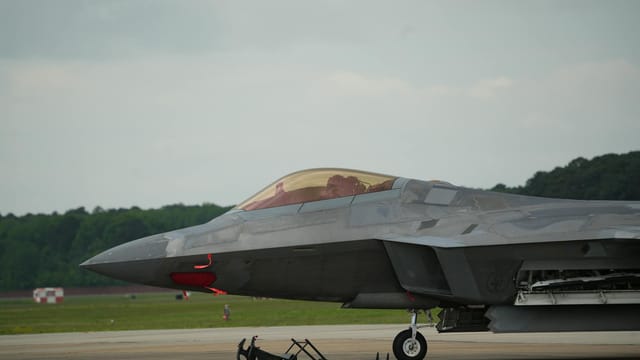
Allies Exposed: How US Moves to the Middle East Are Recasting Asian Security
A Chinese commentary argues recent U.S. redeployments of air-defence systems and ships from Korea and Japan to the Middle East reveal the limits of American security guarantees and expose host nations to greater risk. The piece urges Asian states to pursue greater defence autonomy and regional security arrangements to avoid becoming collateral victims of distant conflicts.

U.S. Pullback, Japan’s Takaichi and a Renewed Dokdo Fight — Seoul Responds Swiftly
Japan’s prime minister, Sanae Takaichi, renewed Tokyo’s claims over the disputed Dokdo/Takeshima islets, drawing a forceful rebuttal from South Korea amid public unease and a perceived U.S. security pullback. The episode highlights how small territorial flashpoints can be amplified by domestic politics and shifts in alliance posture, raising the risk of prolonged diplomatic tension in an already fragile Northeast Asian security environment.

U.S. Moves THAAD Interceptors from South Korea to Middle East, Raising Alliance and Deterrence Questions
The U.S. has begun transferring THAAD interceptors from South Korea to the Middle East, moving up to 48 missiles from Seongju to Osan for onward transport. Seoul objects but accepts limited leverage, while the redeployment highlights logistical limits in U.S. missile-defence inventories and raises questions about regional deterrence and alliance reassurance.
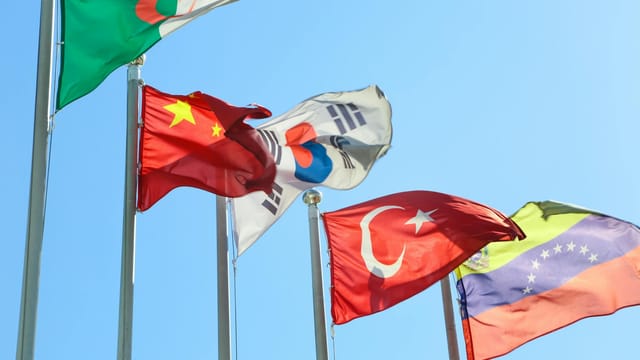
Video Shows Entire THAAD Launcher Unit Leaving South Korea for Middle East, Raising Alliance and Regional Security Questions
Surveillance footage and local statements indicate that the six THAAD launchers based at Seongju were moved to the Middle East in early March, a step reportedly mirrored by U.S. redeployments of Patriot batteries from the Indo-Pacific. Seoul says it opposed the transfers but was unable to prevent them, highlighting strains in alliance consultation and raising questions about regional deterrence in Northeast Asia. The episode underscores the trade-offs in U.S. force allocation between competing crises and the potential political cost in partner capitals when weapons stationed on allied territory are reassigned without prior notice.

Seoul Warns of ‘Harsh Reality’ as US May Shift THAAD Components from Korea to Middle East
South Korea’s president acknowledged a ‘harsh reality’ after media reports suggested the US had moved parts of the THAAD missile‑defense system from Korea to the Middle East. Seoul says it opposed the transfer but has limited ability to prevent US redeployments, highlighting strains in alliance consultation and the need for greater South Korean defense autonomy.