
# Trade%20Policy
Latest news and articles about Trade%20Policy
Total: 37 articles found
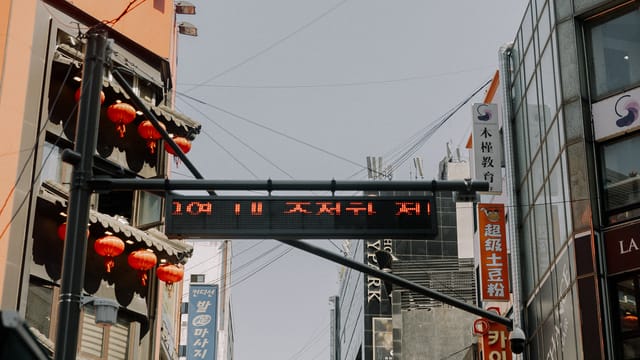
Wang Yi Meets South Korean President Lee Jae-myung to Deepen Bilateral Ties
Beijing and Seoul pledge to advance Free Trade Agreement talks and prepare for the upcoming Shenzhen APEC summit.

China State Media Rejects Western 'Overcapacity' Narrative on Trade Surpluses
People's Daily argues trade imbalances reflect global green transition demand and foreign corporate activity rather than structural oversupply.
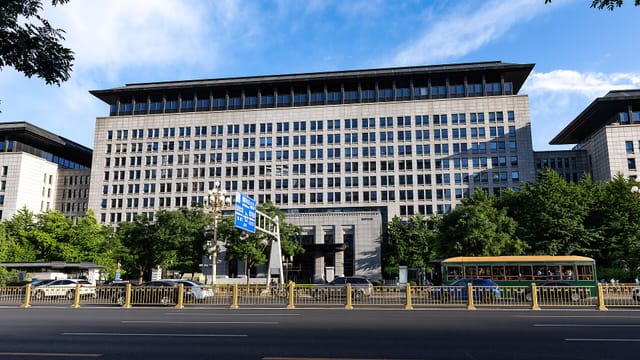
China Rejects US Drone Tariffs and Blocks EU Subsidies Inquiry Requests
Beijing opposes Section 232 duties on civilian drones and issues an anti-extraterritoriality order against EU regulatory demands in a JD.com probe.

Guangxi Free Trade Zone Implements Procurement Reforms to Align with Global Trade Rules
The regional pilot zone is introducing institutional opening-up measures across government procurement to match international high-standard economic frameworks.

China and Ecuador Pledge Deeper Trade and Tech Ties During Noboa Visit
Premier Li Qiang and top legislator Zhao Leji held talks with Ecuadorian President Daniel Noboa in Beijing on free trade, infrastructure, and emerging technologies.

China Rejects 'Overcapacity' Claims, Citing Expanding Domestic Market
Official commentary and a Ministry of Commerce position paper counter Western trade accusations by highlighting long-term domestic demand trends and import growth.

China Opens First Foreign Trade Security Probe into Office Equipment
The investigation targets imported printers and copiers equipped with foreign software under Article 41 of the Foreign Trade Law.

China Denounces US Expansion of Xinjiang Entity List Following Trade Talks
Beijing vows necessary countermeasures after Washington adds over 40 Chinese entities to its Uyghur Forced Labor Prevention Act list just a day after bilateral trade talks.

China's Commerce Ministry Updates Progress on Intensive China-EU Consultations
Beijing highlights ongoing technical dialogue with the European Union aimed at managing trade friction and stabilizing bilateral economic ties.
Vice Premier He Lifeng Holds Video Call with US Leads Bessent and Greer
Chinese and U.S. economic leads discussed bilateral trade stability, with Beijing raising concerns over recent American trade restrictions.
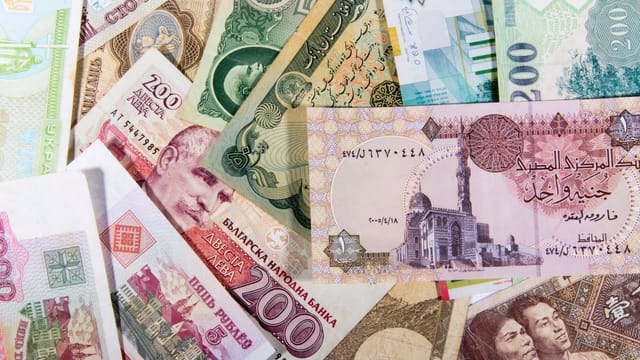
China Urges Turkey to Comply With WTO Panel Ruling on Electric Vehicle Import Restrictions
Beijing calls on Ankara to respect international trade rules after a WTO panel found Turkish EV import measures in violation of multilateral obligations.
NDRC Marks Decade of Unified China-Europe Railway Express Branding
Chinese officials gather in Beijing to highlight ten years of cross-border freight integration and outline priorities for the 15th Five-Year Plan.