
# U.S.%20Foreign%20Policy
Latest news and articles about U.S.%20Foreign%20Policy
Total: 63 articles found
Washington’s Persian Quagmire: Why Experts Call the Iran Conflict America’s Ultimate Strategic Blunder
Leading international relations experts, including John Mearsheimer and Ivo Daalder, have labeled the U.S. military intervention in Iran as the most significant strategic failure in American history. They argue that a lack of clear political goals and domestic lobbying have led to a conflict far more damaging than the 2003 Iraq War.

Friction at the Top: Trump and Rubio Clash Over Impending Iran Nuclear Deal
Internal divisions have surfaced as Secretary of State Marco Rubio claims a draft Iran nuclear deal has regional support, while President Trump insists the deal is not yet finalized. This public discrepancy highlights the tension between the administration's diplomatic efforts and the President's desire to control the narrative amid domestic criticism.
Diplomatic Friction: Trump and Rubio Send Conflicting Signals on Imminent Iran Deal
Secretary of State Marco Rubio and President Donald Trump have presented conflicting timelines and tones regarding a potential nuclear deal with Iran. While Rubio highlights regional support and professional diplomacy, Trump maintains that negotiations are not yet finalized and warns against rushing into an agreement.
Brinkmanship in the Strait: Washington Teases 'Plan B' as Iran Talks Stagnate
U.S. Secretary of State Marco Rubio has signaled a shift toward military contingencies as negotiations with Iran over the Strait of Hormuz reach a deadlock. President Trump is reportedly considering a 'decisive' military strike to conclude the conflict, amid growing frustration with the perceived lack of support from NATO allies.
Trump’s Ultimatum to Tehran: High-Stakes Brinkmanship and the Middle East’s Fragile Peace
President Trump has threatened Iran with renewed military action as nuclear and ceasefire negotiations reach a stalemate. With both Washington and Tehran sticking to maximalist demands, the risk of a joint U.S.-Israeli air campaign against Iranian infrastructure is rising sharply.
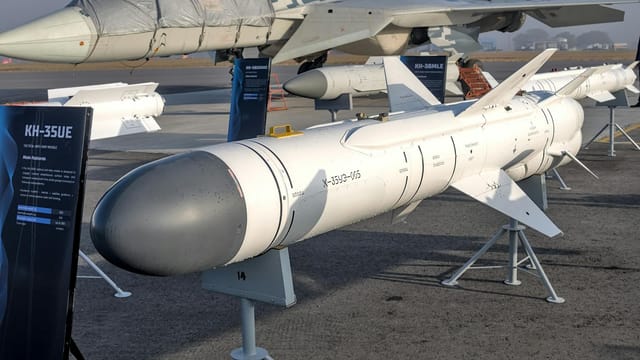
The Arsenal That Won’t Die: Intelligence Reports Challenge Claims of Iran’s Military Attrition
Contrary to political claims of total degradation, NATO and U.S. intelligence reports indicate that Iran retains 60% to 70% of its pre-war missile inventory. The resilience of Tehran's underground infrastructure has allowed for rapid repairs and continued assembly, ensuring a sustained threat to regional stability.

The Bluster Trap: Why Trump’s Escalating Rhetoric Masks a Shrinking Hand in the Gulf
The Trump administration's aggressive rhetoric toward Iran is increasingly undermined by its inability to absorb the economic costs of a Gulf conflict. As Tehran leverages its control over the Strait of Hormuz to demand a new diplomatic sequence, the risk of a face-saving 'limited strike' by the U.S. remains the most volatile factor in the standoff.
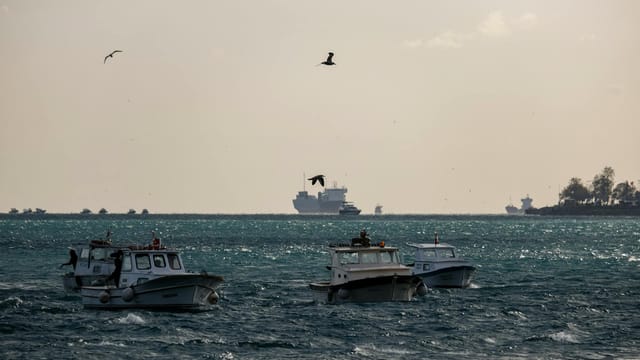
Brinkmanship in the Strait: Trump’s ‘Small Warning’ Tests a Fragile Truce
President Trump has minimized recent U.S. military strikes against Iranian facilities as a 'small warning,' asserting that the 2026 ceasefire remains intact. The exchange follows clashes in the Strait of Hormuz, highlighting the precarious nature of current regional stability and the administration's reluctance to engage in full-scale conflict.
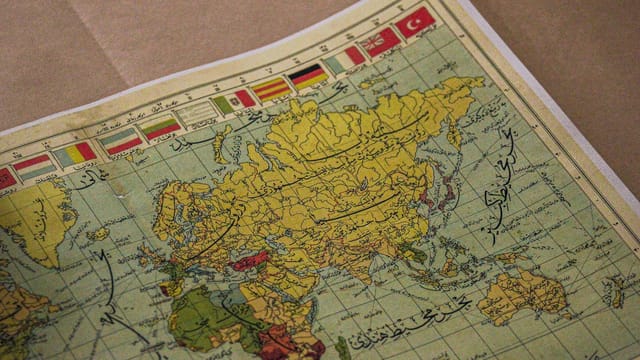
Eight Years of 'Maximum Pressure': Iran Grapples with the Costs of Economic Isolation and Regional Conflict
Eight years after the U.S. exit from the nuclear deal, Iran faces a dire economic landscape characterized by high inflation and a collapsed tourism sector. Despite the severe impact of sanctions and regional conflict, the Iranian government maintains a policy of resistance while the public remains deeply skeptical of U.S. diplomatic reliability.
Carrots and Cruise Missiles: Trump Dangles a Nuclear Breakthrough While Threatening Total War
President Trump has expressed confidence in a looming deal with Iran involving the transfer of enriched uranium to the U.S., while simultaneously threatening massive military strikes if negotiations fail. Tehran has pushed back against these claims, stating that nuclear issues are not currently under discussion.

Caribbean Brinkmanship: Havana Warns of 'Dangerous' Escalation as U.S. Signals Military Pivot
Cuban Foreign Minister Bruno Rodríguez has condemned recent U.S. military threats and intensified sanctions as a 'dangerous' escalation of hostilities. The tension follows White House remarks suggesting the potential deployment of a carrier strike group to the Caribbean as a means of exerting pressure on the island.
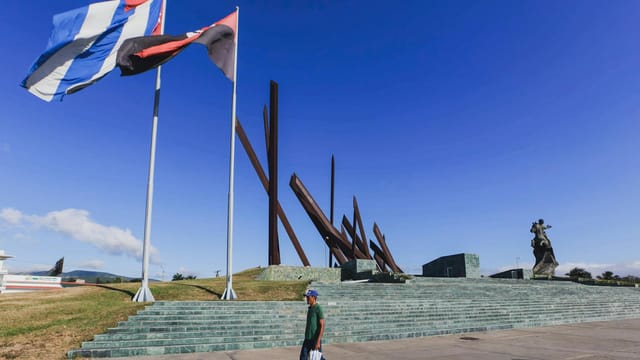
Bracing for Confrontation: Havana Decries Washington’s 'Absurd' Threat Narrative
Cuban Foreign Minister Bruno Rodríguez has dismissed U.S. claims that the island poses a national security threat as 'absurd' and 'deceptive.' The denial comes amid heightened regional tensions following U.S. military operations in Venezuela and a failure by the U.S. Senate to restrict executive war powers.